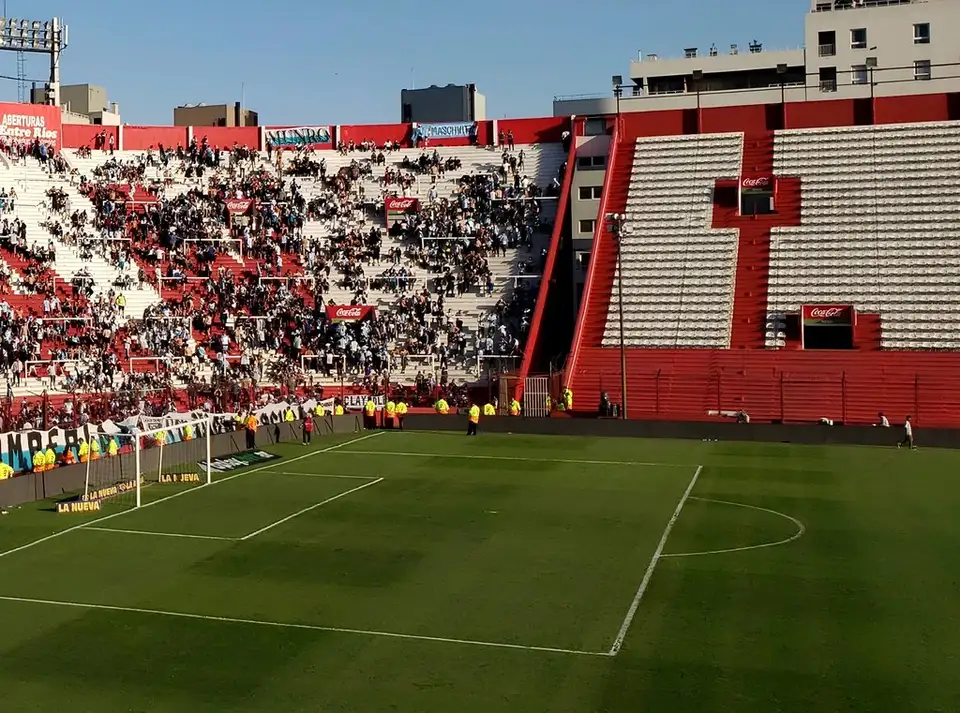
Estadio Tomás Adolfo Ducó
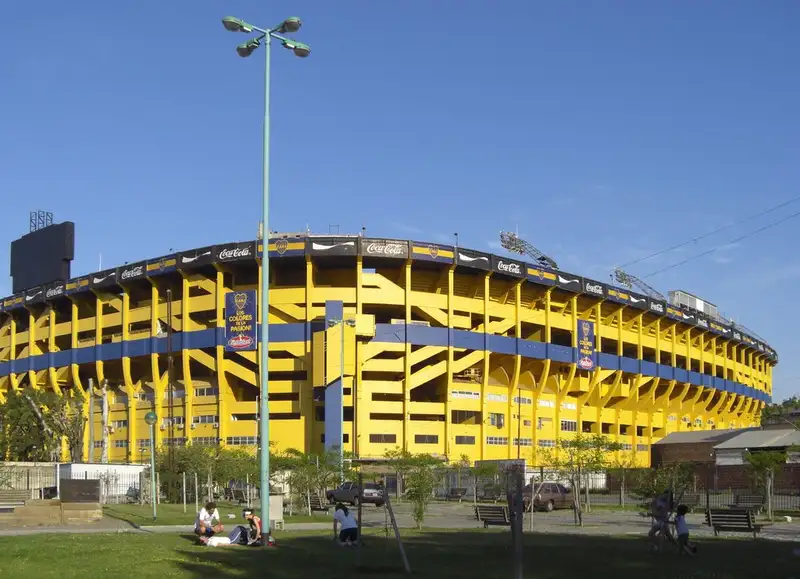
The Estadio Tomás Adolfo Ducó is one of the deepest centres of sporting identity in Buenos Aires. As the home of Boca Juniors, this ground transcends the purely sporting to become a cultural landmark that defines much of the city’s social landscape. Its presence is essential for understanding the dynamics of Argentina’s great institutions and the weight that football carries in the collective memory of Buenos Aires residents.
Identity and tradition
Popularly known by nicknames such as ‘El Palacio’ or ‘La Quema’, the stadium holds a historical significance that stretches back decades. Although its names have evolved over time, its essence remains tied to the structure of a club that is a cornerstone in the Southern Cone. The playing surface, with regulation dimensions of 105 by 70 metres and a grass pitch, is the setting where professional competition unfolds and where the passion of its supporters is expressed.
The architecture of the ground reflects a continuous evolution, maintaining its capacity to hold thousands of people at high-profile matches. The physical structure of the stadium not only serves a technical function but also acts as a container for the social rituals that take place whenever there is activity on the field of play.
Context and urban surroundings
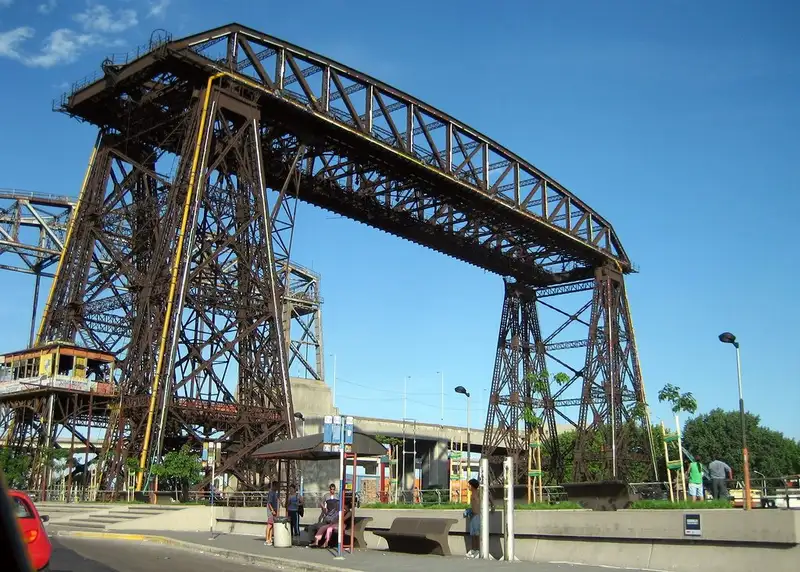
The stadium sits within a complex urban fabric, bound up with the history of the traditional neighbourhoods of the Ciudad de Buenos Aires. Its location and its relationship with the surrounding areas allow one to observe how major sporting infrastructure shapes the movement and daily life of those nearby. Its proximity to other points of cultural interest and its connection to the city’s transport network make this space a point of convergence.
Walking through the surrounding streets, an atmosphere heavy with football references is palpable, where the club’s presence shapes local commerce and the identity of the streets themselves. This integration with the surrounding environment is what allows the stadium to be not an isolated element but a key piece in the cultural map of the capital, connecting the history of its former names — such as Estadio Jorge Newbery — with the club’s present.