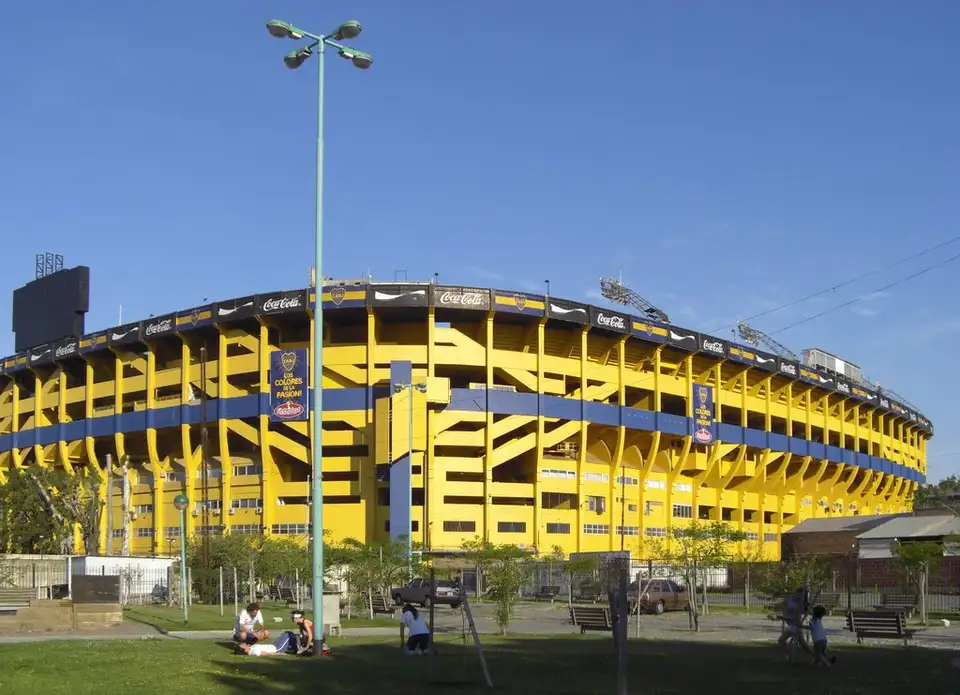
Estadio Alberto J Armando La Bombonera
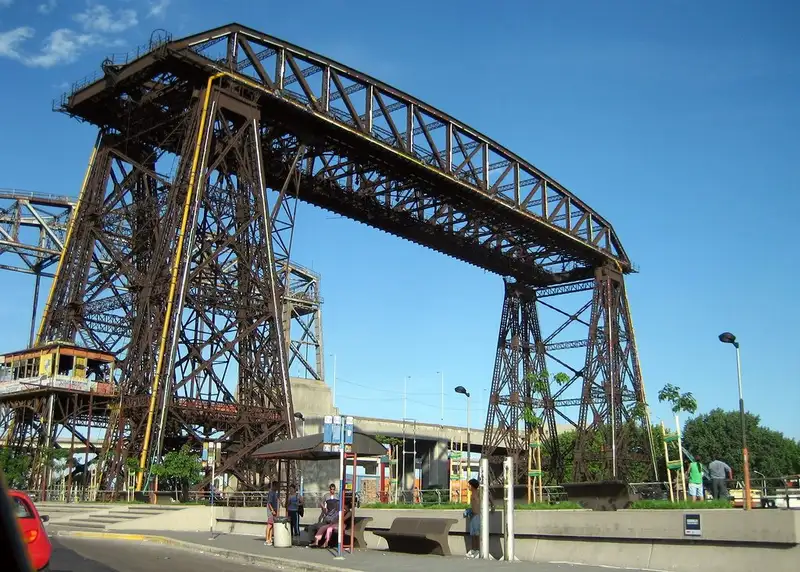
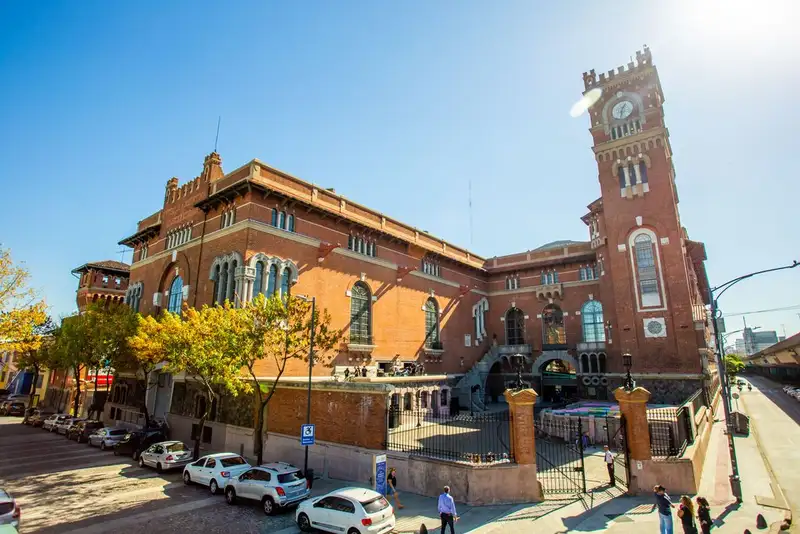
Located in the heart of the historic La Boca neighborhood, in the southeast of the City of Buenos Aires, Estadio Alberto J. Armando — known worldwide as La Bombonera — stands as one of the most symbolically significant landmarks in the Argentine capital. It is not merely a sporting structure; it is a central element of local identity, woven into the atmosphere of the Riachuelo and the colorful streets of the area. Its presence defines the urban landscape of this part of the city, marking an unavoidable point of reference for anyone passing through the neighborhood.
Identity and sporting architecture
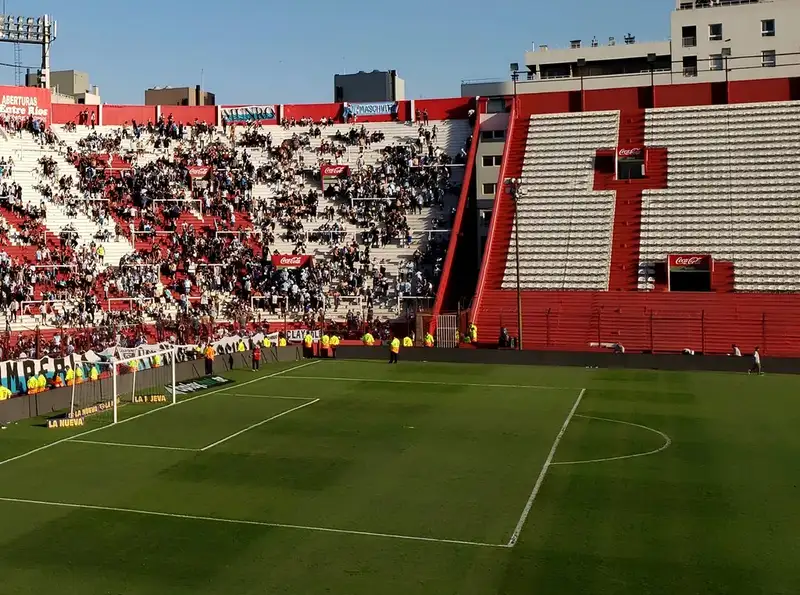
The stadium is distinguished by a compact configuration that generates a particularly intense atmosphere. Built to hold large crowds, its physical structure is designed to concentrate the energy of spectators, lending it a reputation as a place where the environment seems to take on a life of its own. The venue’s architecture — with its stands positioned close to the playing field — is a defining characteristic that sets it apart from more modern, open stadiums, preserving an essence of closeness and sporting tension.
This space functions as the nucleus of the mythology surrounding Club Boca Juniors, one of the two biggest clubs in the country. The structure hosts not only football matches but acts as a cultural magnet drawing people from diverse backgrounds, connecting sporting passion with the history of the neighborhood. The stadium is part of an ecosystem where the tradition of tango and football folklore coexist, forming a complex social fabric in this part of the city.
The surroundings of La Boca
La Bombonera sits within a territorial context where popular culture takes center stage. Walking through its surroundings, one notices a direct connection to other landmarks of the neighborhood, such as the Caminito alley, known for its colorful aesthetic and its ties to tango. The proximity of museums such as the Museo de Bellas Artes Benito Quinquela Martín or the Colón Fábrica reinforces the area’s character as a heritage zone where art and sport share a common language of identity.
Moving through this part of the city offers an understanding of how the stadium shapes the dynamics of the neighborhood. The presence of shops dedicated to memorabilia and souvenirs, alongside the constant activity on the streets near the Riachuelo, shows that the stadium is far more than a sporting venue — it is a driver of movement and culture that sustains the vitality of this part of Buenos Aires.