Refugio Frey
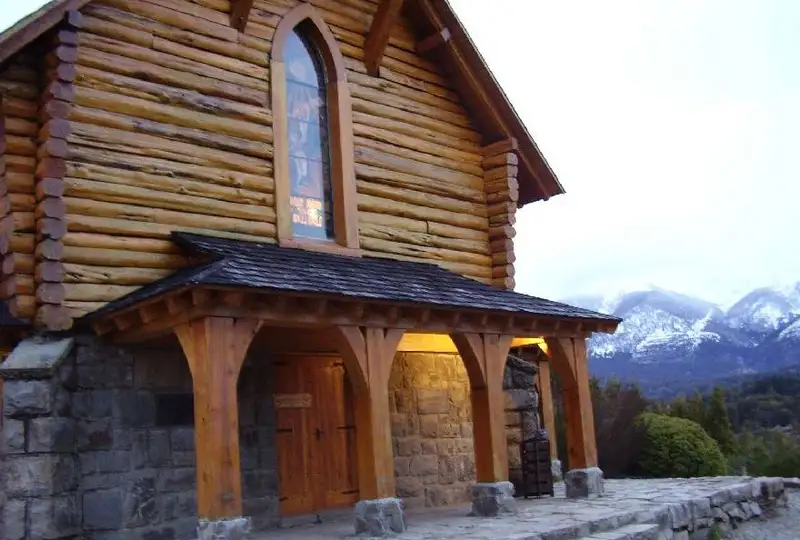
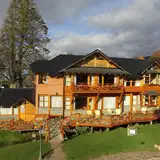
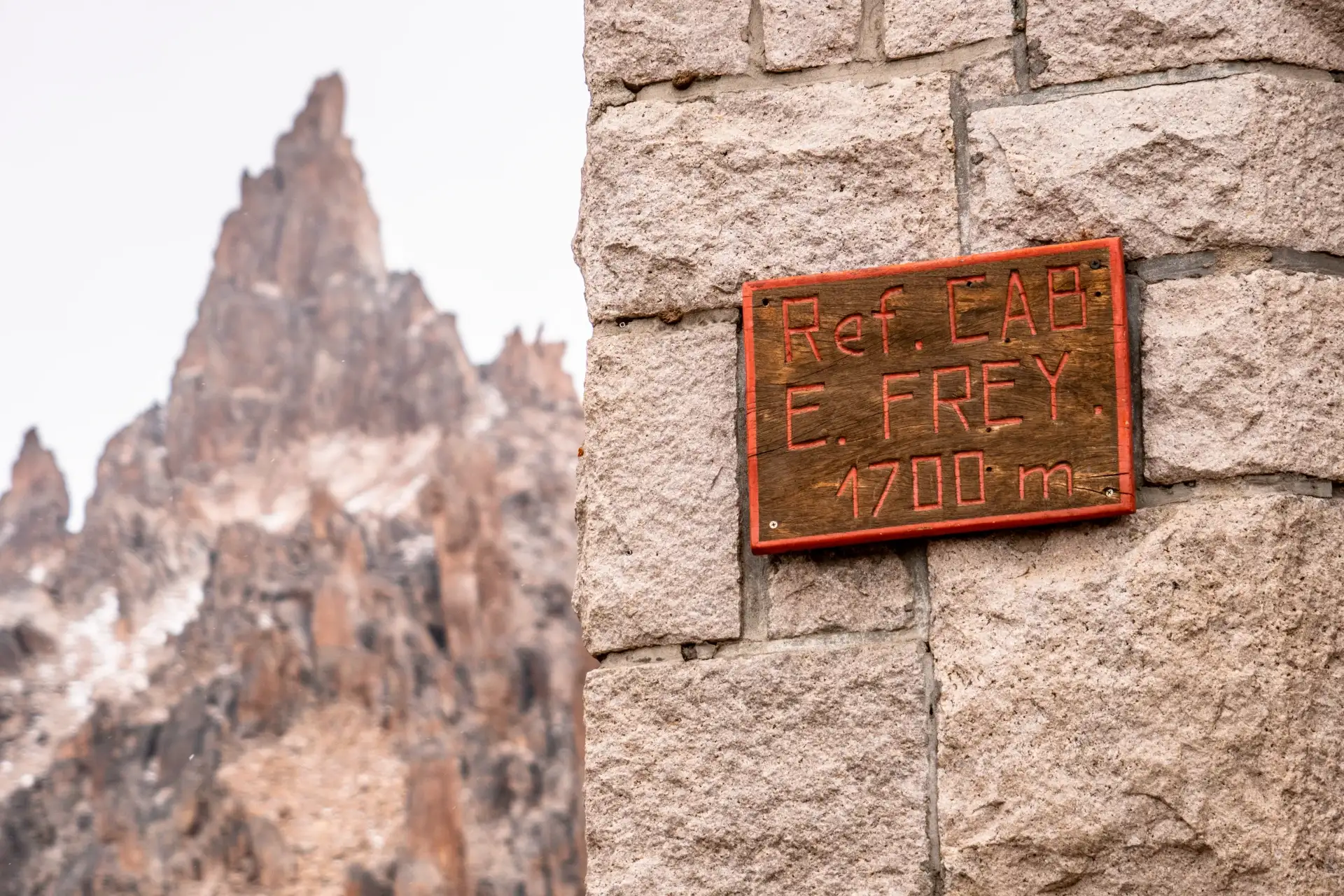
Situated in the heart of Nahuel Huapi National Park, Refugio Frey serves as one of the most significant gathering points for those traversing the mountains of Bariloche. The refuge sits at an elevation of 1,700 metres, on the shores of Laguna Toncek. Its structure, characterised by thick stone walls, is integrated into the high-mountain environment and functions as an essential base for activities that require proximity to the surrounding peaks.
The natural surroundings and their seasonal dynamics
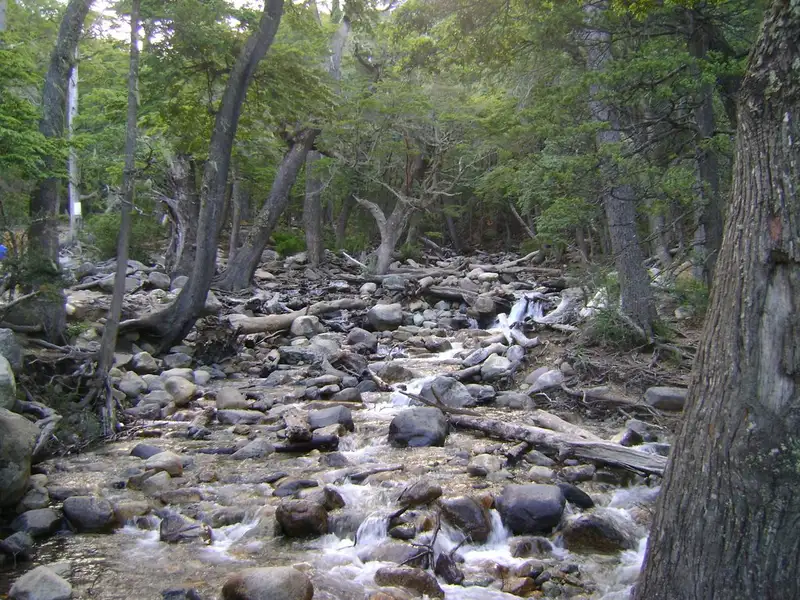
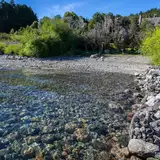
The landscape around the refuge undergoes profound changes depending on the time of year. During spring, snowmelt is a defining feature of the terrain; melting snow feeds new streams that descend the slopes and replenish Laguna Toncek, raising its level and renewing the watercourses that cross the trail. This constant flow of water defines the hydrological dynamics of the area during this period.
With the arrival of summer, the scene shifts toward greater sun exposure and more stable temperatures, drawing large numbers of climbers and hikers. However, this season also brings its own challenges, such as the reduction of streams due to evaporation, which calls for different planning for those travelling the trails. Autumn, for its part, is characterised by increased rainfall and a colour palette typical of Andean vegetation, marking the close of the seasonal cycle before harsher conditions set in.
The route and the mountain experience
Access to the refuge is via a trail of intermediate difficulty that passes through diverse ecosystems, from forest to more exposed terrain. The route allows walkers to observe the transition between conifer forests and the more rocky zones of the high mountains. The path is marked by the presence of streams that, depending on the season, may serve as natural sources of water or may have reduced in flow.
The experience at this location is intrinsically linked to the geography of the peaks that surround it. The refuge is not merely a resting point, but a connecting node with the rock faces that define this sector of the park. The scale of the mountains and the presence of Laguna Toncek shape an environment where physical activity is integrated with the observation of local biodiversity and climatic changes.