Cardenal Antonio Samore Pass
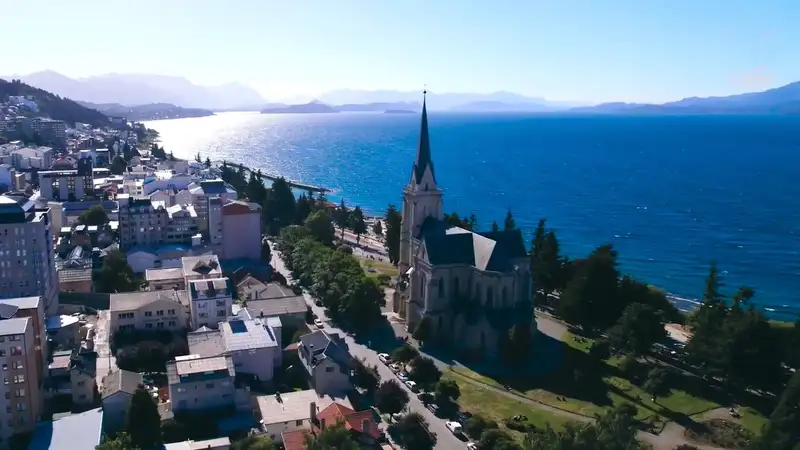
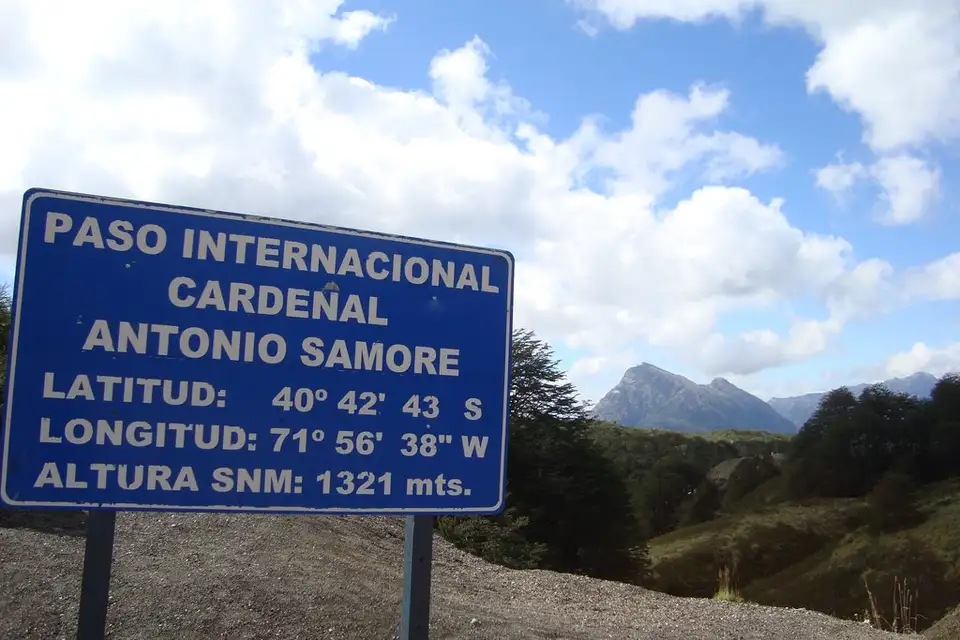
The Cardenal Antonio Samore Pass functions as one of the most significant connection points between the Andean regions of Argentina and Chile. Located within the cordillera, this pass is not merely a transit route but a geographical feature that defines the continuity of the mountain landscape between San Carlos de Bariloche and the Osorno area. Its importance lies in its capacity to integrate territories through a natural environment where Andean topography manifests with clarity.
Andean environment and landscape
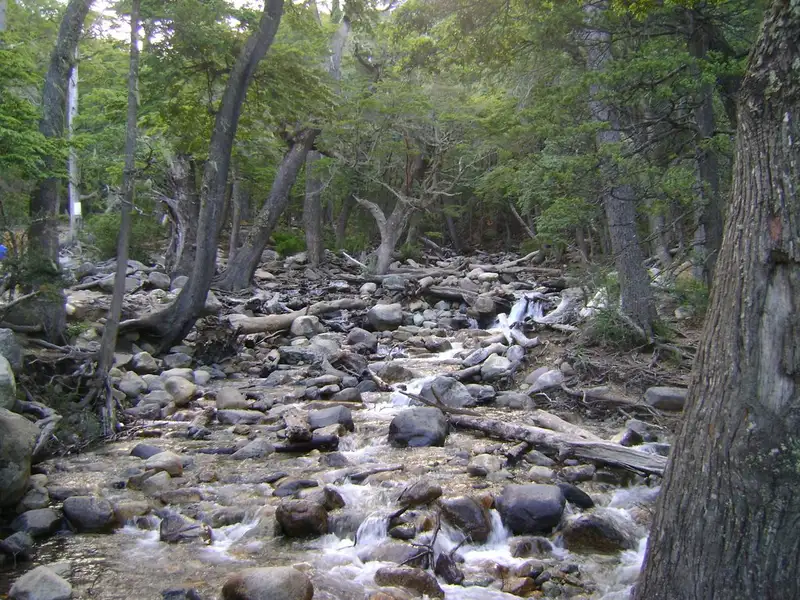
The relief that characterizes this sector is marked by the presence of mountains and vegetation typical of high-altitude zones. Crossing this point, the landscape offers a transition between the valleys extending toward the Argentine side and the foothills descending into Chilean territory. The configuration of the terrain allows the scale of the cordillera to be appreciated, with natural elements that sustain the region’s biodiversity and define the visual identity of this border corridor.
The geography of the area is made up of a network of routes crossing forested zones and areas of rugged relief. This environment is a fundamental part of the Andean ecosystem, where the interconnection between different altitudes and the presence of natural elements form a setting of great territorial value for the northwest of Patagonia.
Territorial connection
This pass acts as a nexus linking the province of Río Negro with the regions of southern Chile. Road infrastructure, such as Ruta Provincial 79, makes this corridor an established route for movement between both nations, facilitating the integration of landscapes and communication between local communities on both sides of the border.
The relevance of this point extends beyond the purely functional: its existence consolidates a circulation axis that crosses areas of significant natural value. The presence of paved infrastructure in key sectors ensures that transit through this mountain zone is an experience integrated into the surrounding landscape, allowing the transition of Andean ecosystems to be observed without losing sight of the importance of this corridor for the region.