Lago Steffen
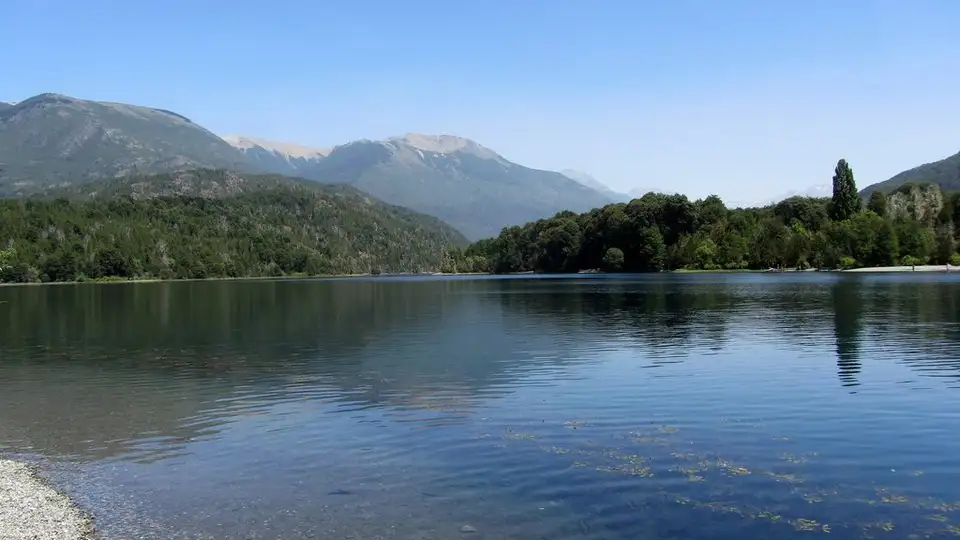
Lago Steffen is a glacially formed lake that is part of the ecosystem of Nahuel Huapi National Park, in the province of Río Negro. It sits in a sector of the Bariloche region where the terrain becomes more rugged, enclosed between mountains that define its basin. The lake is notable for its turquoise hues, the result of glacial sediments, and for being surrounded by dense native vegetation that defines the character of the Andean Patagonian landscape.
Natural surroundings and biodiversity
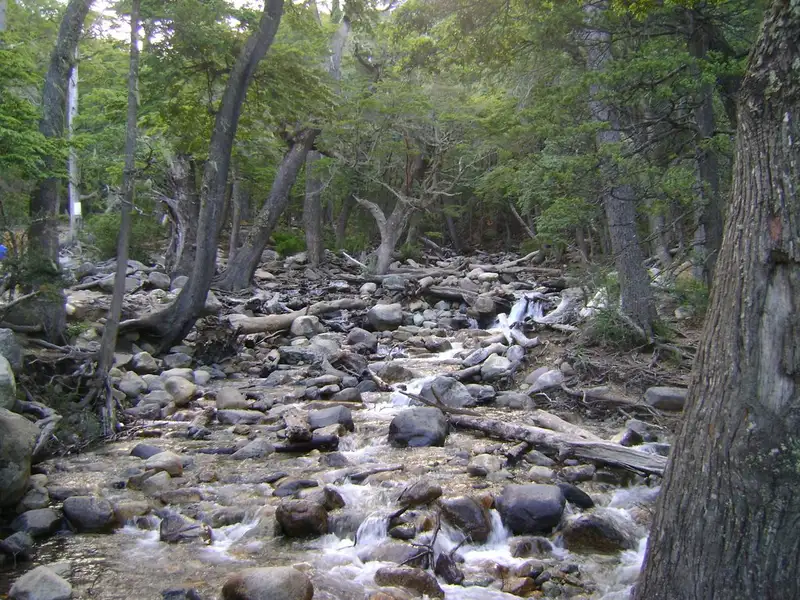
The area around the lake is composed primarily of forests of native species such as lengas and coihues. These forests not only serve as a scenic backdrop but form part of a complex ecosystem where humidity and mountain relief determine the composition of the flora. The presence of these species is a defining feature of the area, providing a dense forest structure that protects the shoreline and shapes the character of the place. The landscape is marked by its territorial scale, with mountains encircling the body of water and creating an atmosphere of natural isolation.
The route through the sector
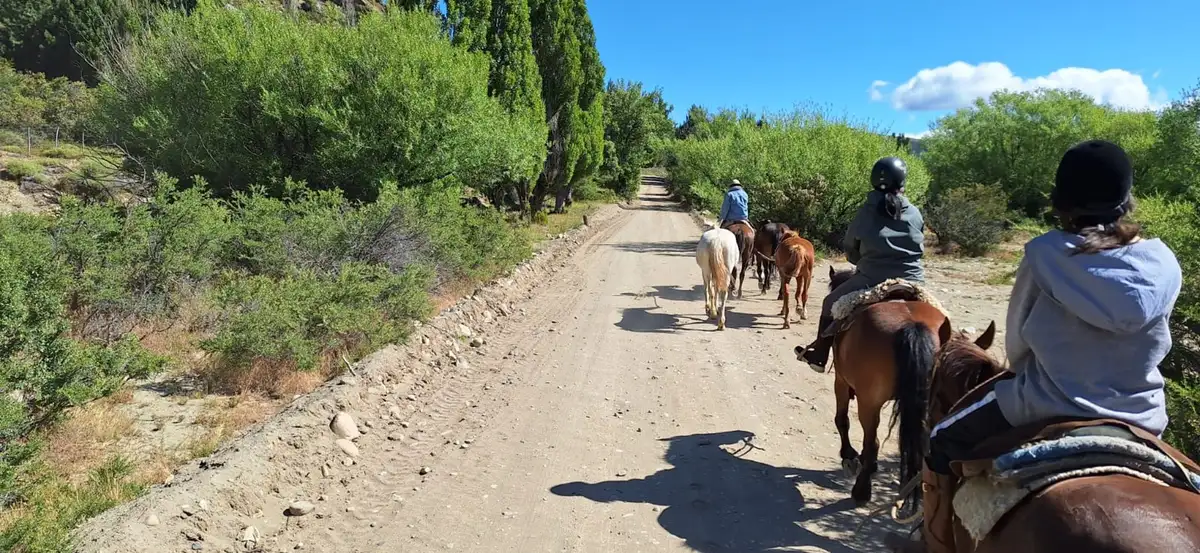
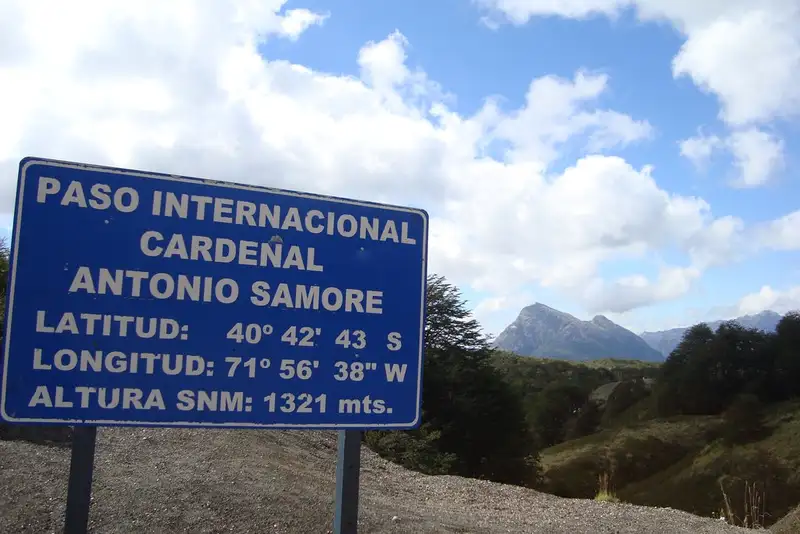
Access to the lake is via Ruta 40, along the route known as the Camino de los Siete Lagos. The journey passes through forested zones where the transition between different tree species is visible as one moves deeper into the heart of the park. The visit involves traveling a road that winds through the vegetation, allowing one to observe how the terrain shifts from more open areas to the more enclosed and shadowed sections of the Valdivian rainforest and the Andean forest. The route through this sector helps illustrate the hydrological and geological connections between the various lakes in the region, all of them linked to historical glacial processes.
Territorial context in Bariloche
Within the map of San Carlos de Bariloche, Lago Steffen represents a point of contact with a natural environment less visited than other sectors closer to the urban center. Its location places it on a key axis for understanding the geography of Ruta 40 and the importance of lake systems in the province of Río Negro. The integration of this lake with its immediate surroundings — composed of mountains and dense forests — constitutes a key element of the natural heritage of Nahuel Huapi National Park, preserving the physical characteristics of a glacially formed basin.