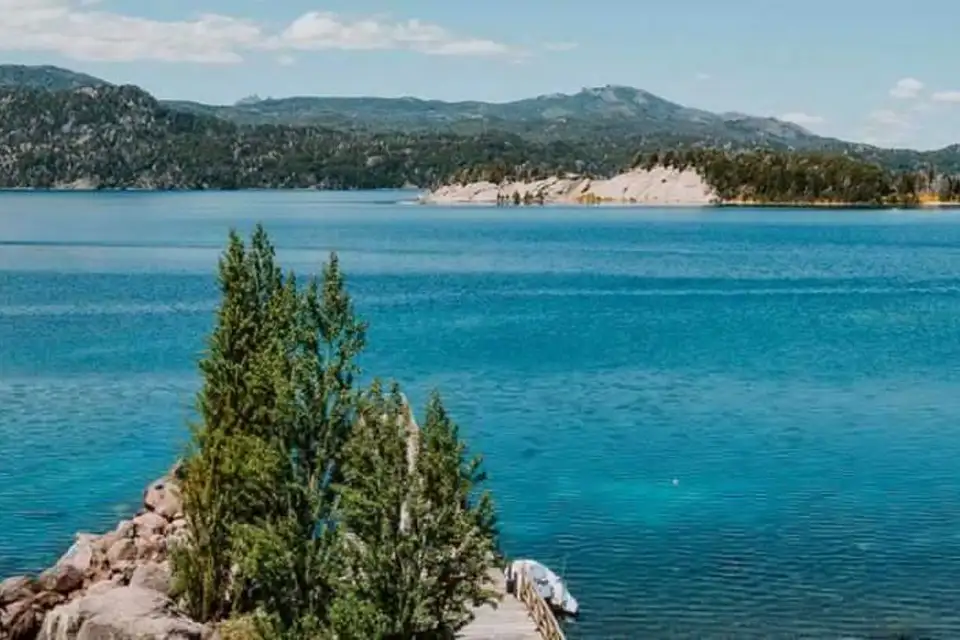
Isla Victoria
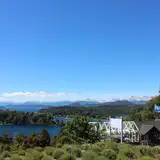
Isla Victoria is the largest island in Lake Nahuel Huapi and one of the most emblematic natural destinations within the national park of the same name. It is reached by catamaran from Puerto Pañuelo, a few kilometres from Bariloche, and the crossing itself is part of the experience: the journey over the deep blue waters of the lake, framed by the silhouette of the Andes and the snow-capped profile of Tronador—at 3,553 metres above sea level—sets the tone for the landscape that awaits on shore.
The island’s connection to the origins of Argentina’s national parks system is direct and foundational. In 1903, Perito Francisco Pascasio Moreno donated five square leagues in this region of Patagonia to the national government, with the explicit condition that they be preserved as a public park. That donation led to the creation of the Parque Nacional del Sur—one of the first national parks in the Americas—whose formal establishment in 1922 laid the groundwork for the national system. The park as it exists today was created in 1934 under Law 12,103 and now covers 705,000 hectares. The name Nahuel Huapi comes from the Mapuche language and means «island of the tiger».
Within the island, the Forest Nursery (Vivero Forestal) is one of the most distinctive assets of the protected area. Founded in 1924—a centenary the Park celebrated in October 2024—it is today the only Botanical Garden and Arboretum operating within Argentina’s national parks system. Its collections bring together species from different parts of the world, some of them threatened in their places of origin, giving the site a conservation value that extends well beyond the regional. Alongside seed collection and storage work—aimed at establishing a germplasm bank—the nursery produces native plants used in degraded ecosystem restoration and conducts research in collaboration with CONICET and national universities.
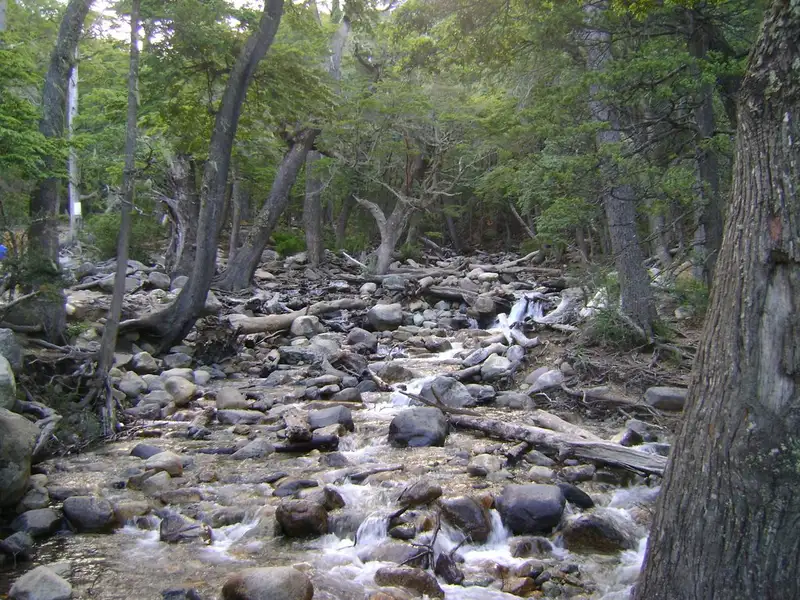
The island’s forests are dominated by three species characteristic of the Andean-Patagonian woodland: lenga (Nothofagus pumilio), coihue (Nothofagus dombeyi), and ñire (Nothofagus antarctica). Mixed formations are most common, though small single-species stands also occur. Wildlife includes approximately 200 vertebrate species—among them around 120 birds and 42 mammals—several of them exclusive to Andean-Patagonian forests.
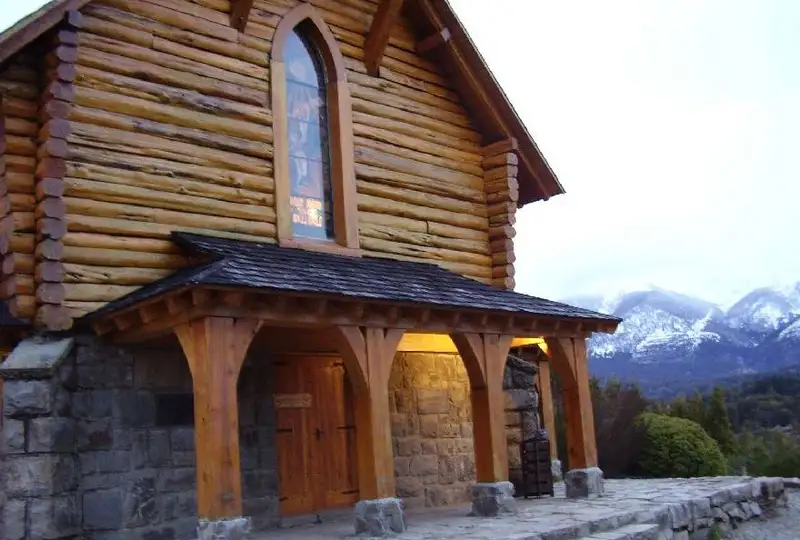
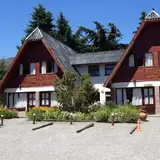
The island’s central area also contains the Casa Anchorena, a historic building linked to the early years of the Puerto Anchorena Experimental Forestry Station. Well into the twentieth century, the island was home to some forty residents dedicated to forestry work; what was once a small working community has become a heritage asset that the Park is actively recovering. The first phase of the permanent historical exhibition inside the Casa was completed in early 2026. Nearby, the Cerro Bella Vista viewpoint—currently being reopened—offers a broad view of the lake and the surrounding mountain ranges.
The standard excursion combines Isla Victoria with the Arrayanes Forest on the Quetrihué Peninsula, which forms a separate national park (Los Arrayanes) on account of its high ecological value. The itinerary covers three navigation legs, includes bilingual professional guides, and offers trekking options at varying levels of physical demand, with accessibility facilities for different mobility needs. More than a thousand seventh-grade students from public schools in the region visited the island in 2025 through an educational programme run jointly by the National Park and the licensed operators—a sign of the role the island plays in local environmental education as well.