Civic Center of Bariloche
The Civic Center is one of the most representative landmarks of San Carlos de Bariloche. Strategically located along the shores of Lago Nahuel Huapi, this group of buildings serves not only governmental functions but also acts as the natural starting point for those exploring the city. Its architecture, characterized by the use of stone and wood, reflects an aesthetic integrated into the Patagonian landscape, establishing itself as a visual landmark that defines the urban identity of the region.
Architecture and local symbolism
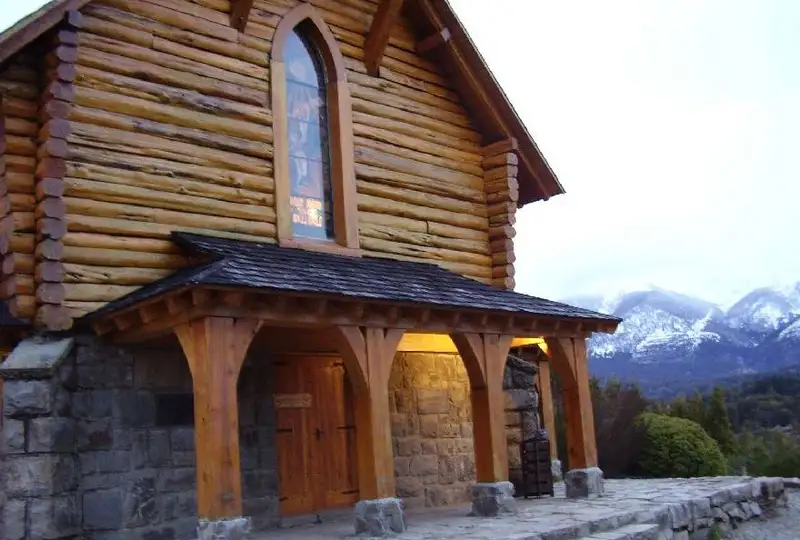
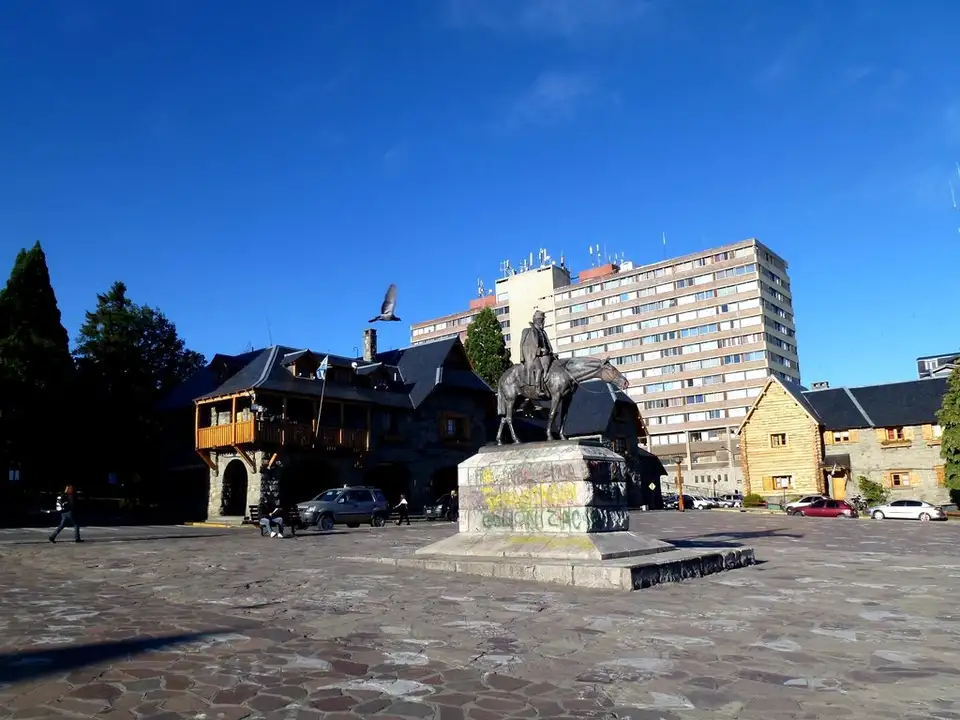
The complex stands out for its construction in noble materials typical of the area. Here stand buildings that house the municipal government and other public offices, integrating public administration with the surrounding landscape. The presence of monuments — such as the statue of General Roca — adds a layer of historical memory to the ensemble, turning the plaza into a point of reference for both local identity and visitor recognition.
The design of its buildings seeks harmony with the surrounding natural environment. The combination of the rough textures of stone and the warmth of wood creates an atmosphere that evokes the constructive tradition of Patagonia, allowing the architectural complex to feel like an extension of the Andean landscape rather than an urban imposition.
The connection point to the city
Beyond its institutional value, the Civic Center acts as a transition node toward the rest of the city’s points of interest. From this area, the walk along calle Mitre — Bariloche’s main thoroughfare — begins. This connection is essential for understanding the city’s dynamics, as the complex serves as a threshold into a zone defined by its commercial activity, where the traditional chocolate shops, ice cream parlors, and cafés that characterize the local offering are concentrated.
Moving through this space allows one to observe the interaction between the institutional and the everyday. The plaza functions as a meeting point where the monumental scale of the government buildings coexists with the constant movement of people heading toward nearby shops or pausing to take in the views of the lake. This proximity to Nahuel Huapi reinforces its character as a belvedere and a privileged vantage point within the urban layout.
A space of urban identity
The architectural complex is, arguably, one of the most photographed sites in the city owing to its unique visual composition. The arrangement of its buildings around the plaza creates an environment that invites close observation of its physical features and its integration with the lake. Although the condition of some elements of the street furniture or monuments may vary, its relevance as a cultural landmark remains intact.
The importance of the Civic Center lies in its capacity to represent the essence of Bariloche: a synthesis between civic organization and untamed nature. As the point where the city meets the lake, this space sets the tone for the urban experience in the region, serving as the first tangible encounter with the history and architecture that characterize this part of Patagonia.