Wanda Mines
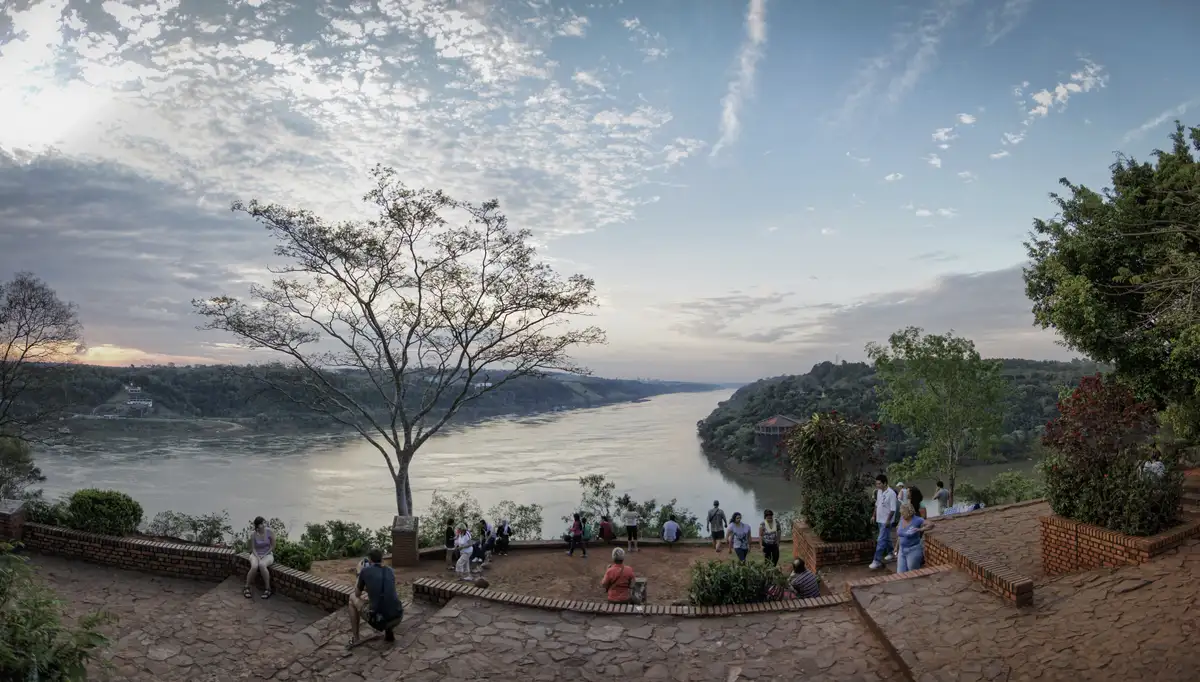
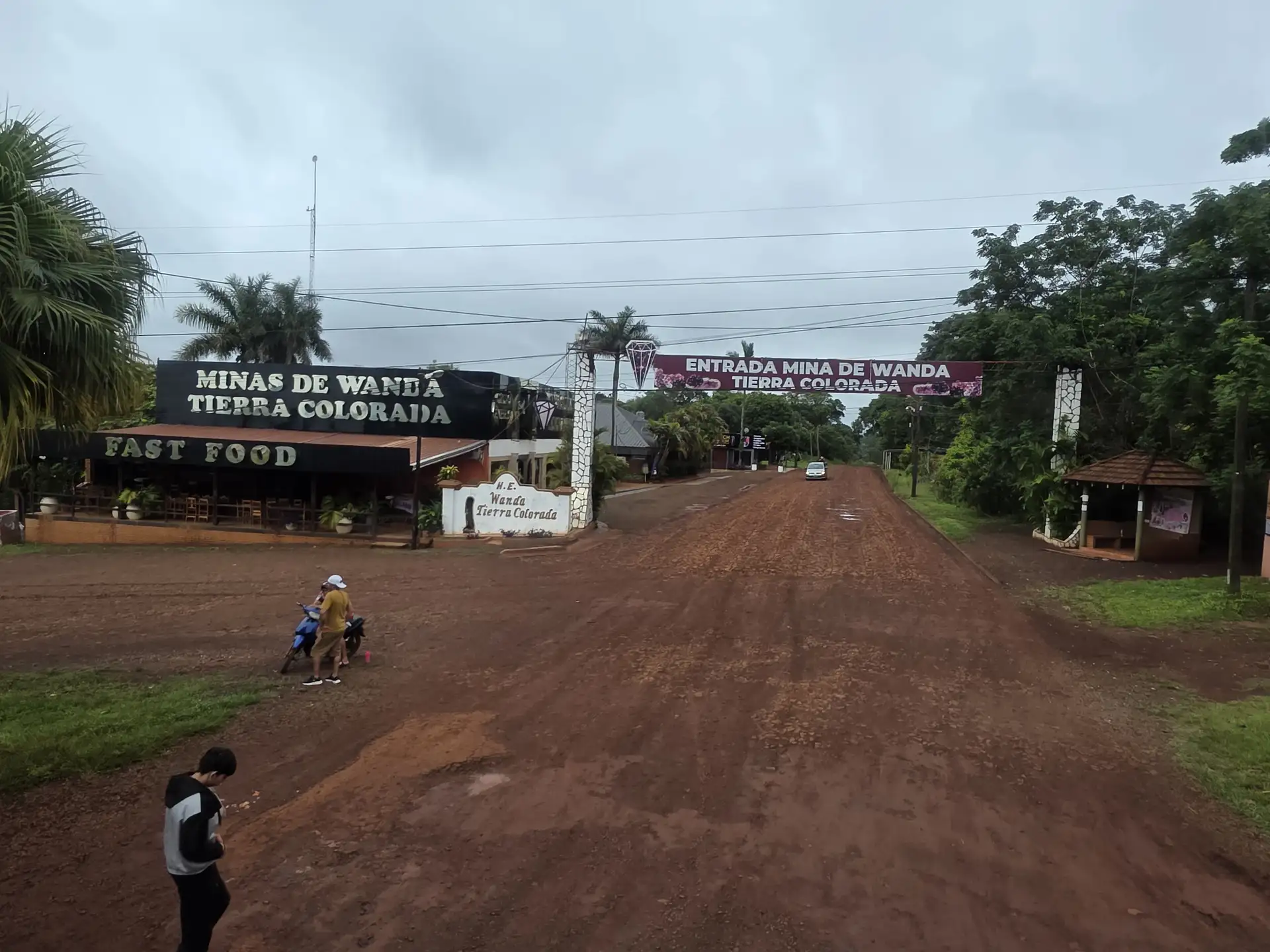
The Wanda Mines are one of the most emblematic semi-precious stone deposits in the province of Misiones. Located on the bank of the Paraná River, in the town of Wanda, these mines allow visitors to explore the geological richness of a region that began to take shape in 1934 with the arrival of Polish pioneers. Although the agricultural colony was initially established for the cultivation of yerba mate and tobacco, the character of the place changed dramatically in 1976, when the Selva Irupé vein was discovered — the province’s first gem deposit.
From a geological standpoint, the site sits atop the Brazilian Massif, a formation approximately 150 million years old. The origin of these treasures traces back to intense volcanic processes: gas bubbles trapped in molten basalt created cavities, or geodes, where, over the course of millennia, silica crystallized into a varied range of colors and forms. Walking through the mines, it is possible to observe natural walls covered in violet amethysts, yellow topazes, translucent agates, and opaque jaspers, all in their raw state — a testament to the forces of Misiones’ natural environment.
The visitor experience is designed to convey the full cycle of the mineral, from extraction to its transformation into a finished piece. Guided tours pass through both the open-air deposits and the underground tunnels, where the contrast between the dark basaltic rock and the gleam of the crystals is most striking. After walking through the galleries, the circuit continues into the industrial workshops, where craftspeople demonstrate the processes of cutting, faceting, and polishing, using techniques that bring out the purity and natural brilliance of each piece.
The complex also integrates its productive offerings with exhibition spaces and visitor services. The tour concludes in a showroom where finished stones are displayed, transformed into art objects and fine jewelry. A visit to the Wanda Mines is not merely a tourist outing, but a record of regional development that connects the history of immigrants with the mineral heritage beneath Argentina’s soil.