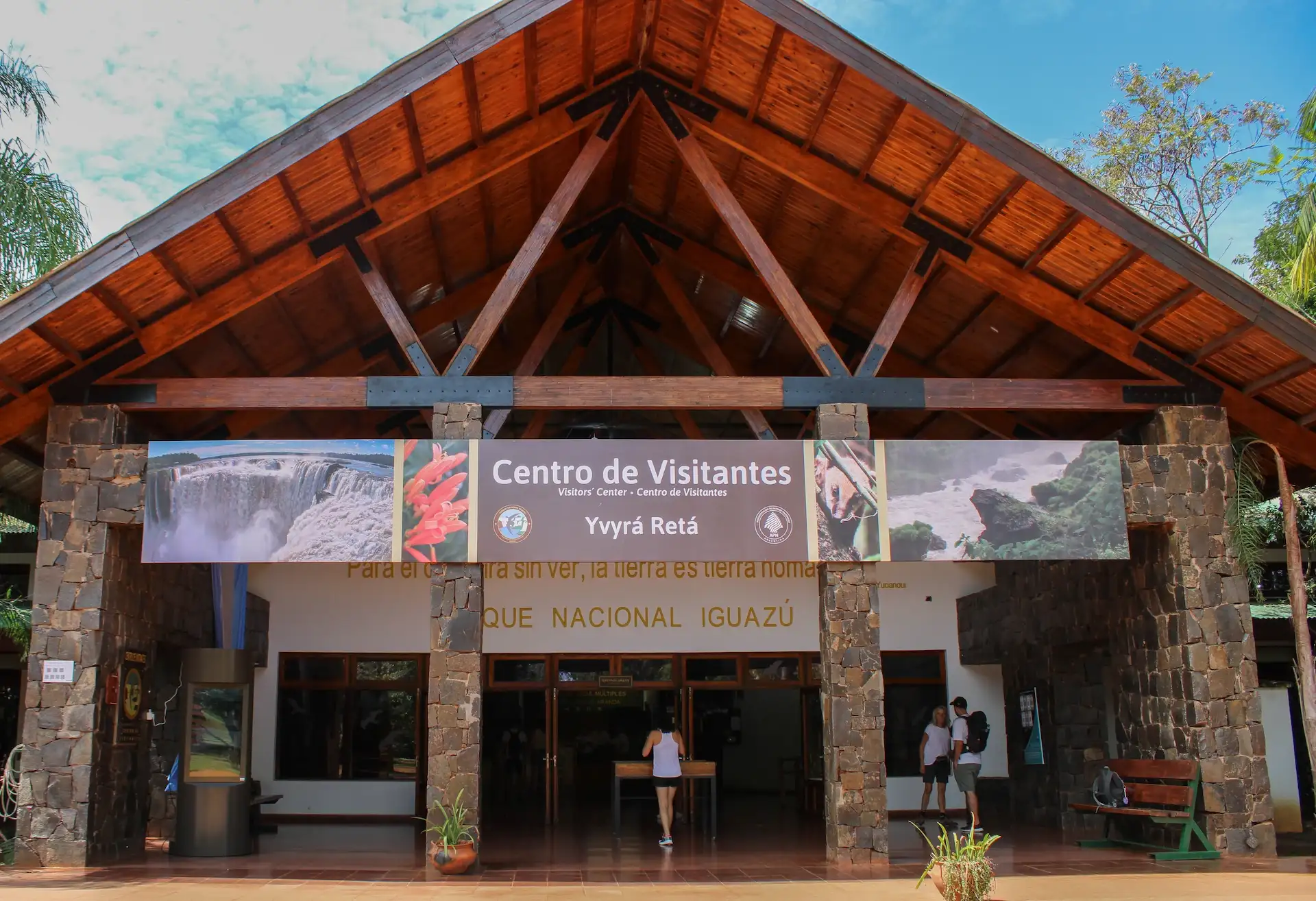
Yvyrá Retá Visitor Center
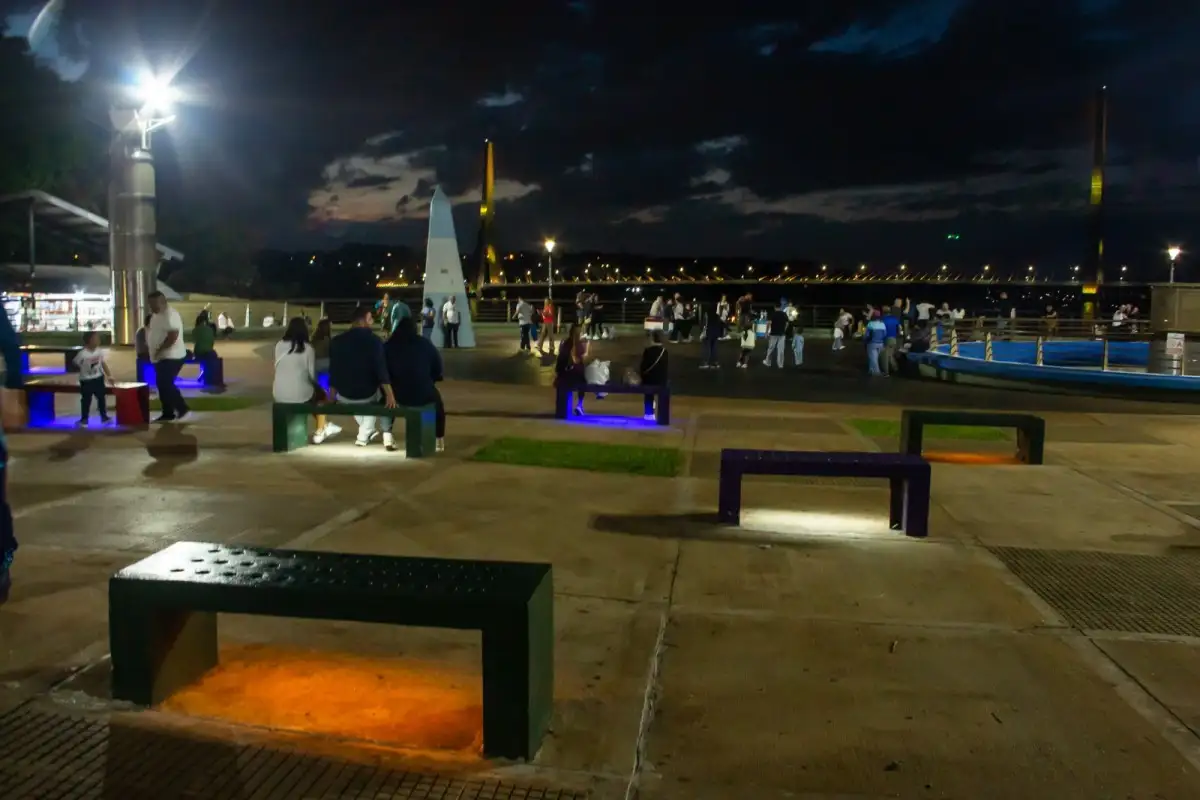
Before the thunder of the water establishes its scale, visitors entering the Argentine side of Iguazú National Park pass through the Yvyrá Retá Visitor Center. The name, in Guaraní, means “land of trees”, and it functions as a statement of intent: this space prepares the eye before the forest does the rest.
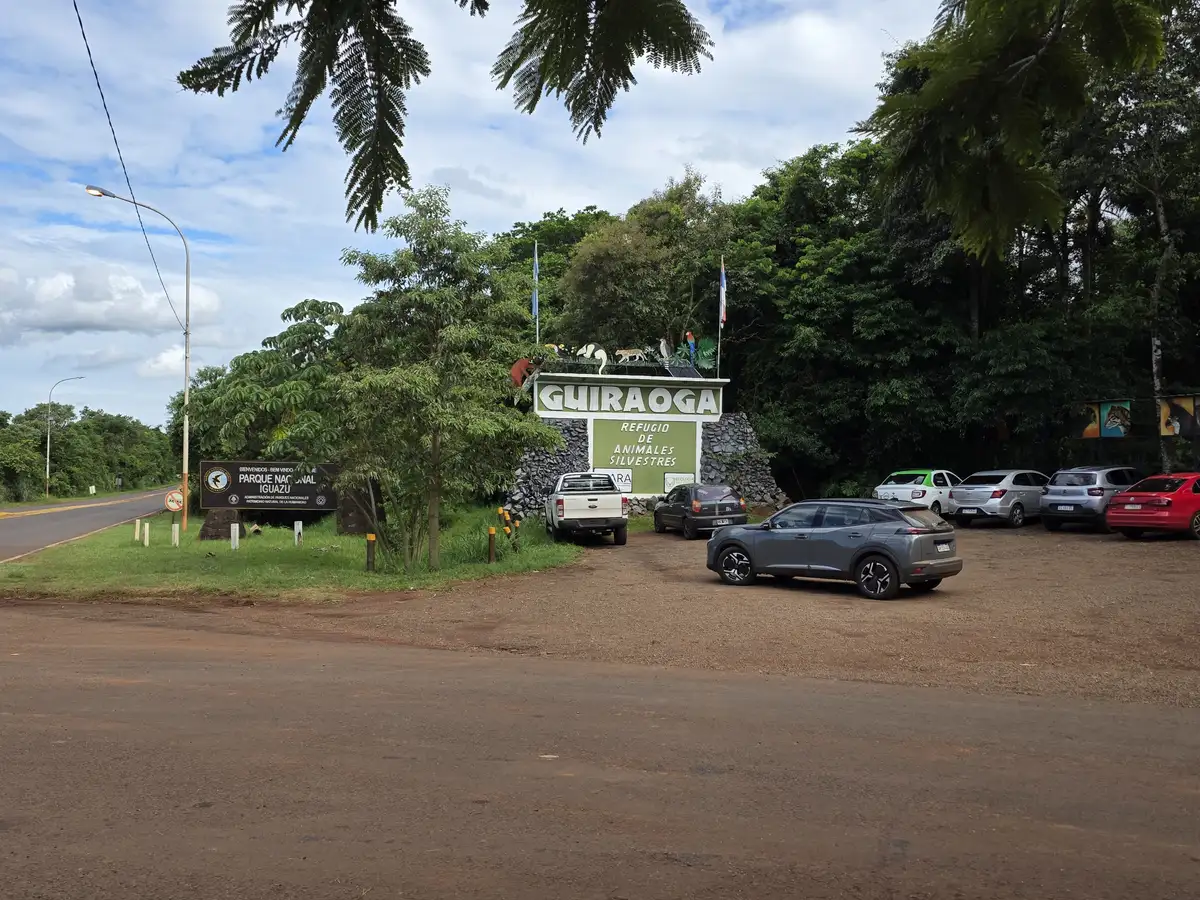
The center was inaugurated on November 21, 2001, as part of a comprehensive renovation of the reception infrastructure in the Área Cataratas. The investment transformed the arrival into a planned, sequenced experience, with a route running from the access portal through the pedestrian trails, passing through the train station and the walkway to the Garganta del Diablo. The area’s parking lot — designed for 500 private vehicles and 80 buses — is part of the same complex, built to handle the flow of a park that receives around one and a half million visitors a year.
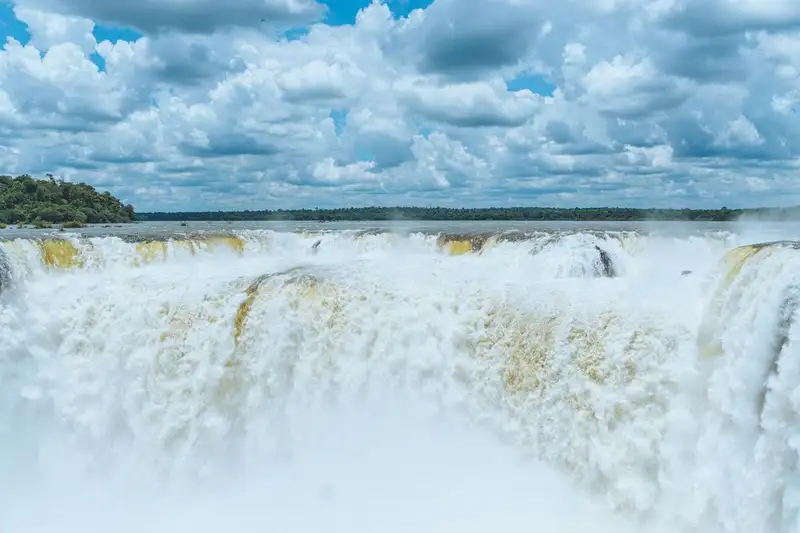
Yvyrá Retá serves as the orientation hub for the entire visit. It is the point before boarding the Tren Ecológico de la Selva, the low-impact transport service connecting the entrance sector with the Estación Circuitos and the Garganta del Diablo. Passing through here is not a formality: it is the moment the visit acquires context before the landscape takes over.
The interpretation galleries develop two complementary axes. The first is ecological: the park protects more than 67,000 hectares of the Paraná Atlantic Forest, one of the most threatened ecoregions on the continent, and the center presents it with appropriate depth. More than 450 bird species inhabit the park — among them the harpy eagle and the black-fronted piping guan, both threatened — alongside mammals including the jaguar, the South American tapir, the collared peccary, and the coati. The flora is dominated by lapacho negro, lapacho amarillo, palmito, and palo rosa, a tree that can exceed 40 meters in height. Encountering these names before walking the trails changes the way you look at things.
The second axis is cultural and historical. The Guaraní presence in this territory predates the park’s creation in 1934 by centuries. The name of the river itself — Iguazú, from the Guaraní y guasu (“large water”) — and the name of this center are living testimony to that continuity. The exhibits incorporate Guaraní crafts and references to the worldview of a people who inhabited these forests before any protected-area category existed, connecting the natural heritage with the human in a territory where both are inseparable.
The center also houses craft and souvenir shops featuring Guaraní and regional artisanal production, along with food options for those who prefer to pause before or after the trails. For time-pressed travelers, Yvyrá Retá offers a compact synthesis of what the park represents as a whole.
Iguazú National Park was declared a UNESCO World Heritage Site in 1984 — one of the few Argentine natural sites with that distinction — and also holds recognition as an Important Bird and Biodiversity Area (IBA). Yvyrá Retá is, for every visitor, the first thread of that experience.