Museo del Holocausto Buenos Aires
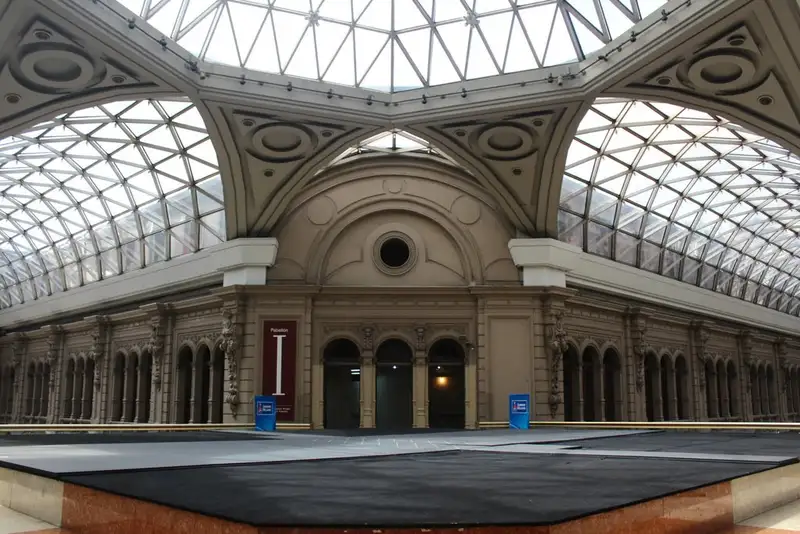
Located in the heart of San Nicolás, in the Capital Federal area, the Museo del Holocausto Buenos Aires operates as a living space of memory. The central purpose of this site is to integrate the historical perspective of the Shoah during World War II with its direct consequences and repercussions in Argentina. Beyond being a repository of information, the museum establishes itself as a place to convey fundamental values of remembrance and awareness about the historical processes that defined the twentieth century.
Memory and historical heritage
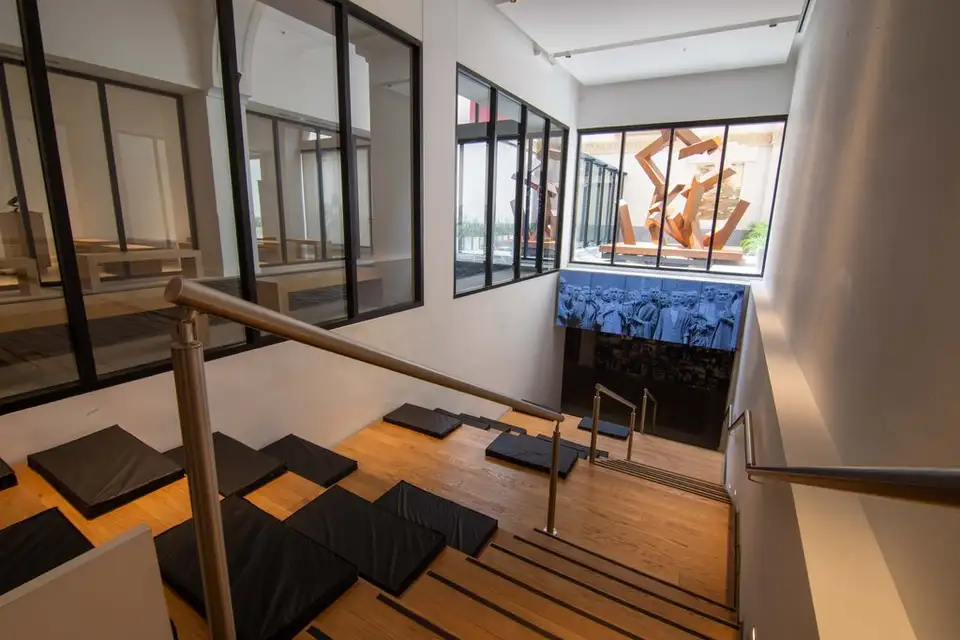
The core of the museum lies in its ability to expose the human dimension of one of the darkest periods in history. Through the exhibition of numerous objects, the space conveys the horror experienced during the Holocaust, allowing visitors to connect with the scale of what occurred. The approach is not limited to a chronology of events, but seeks to deepen understanding of the importance of combating antisemitism and all forms of discrimination, using the past as an educational tool for new generations.
A journey through history
The experience within the museum is designed to be a process of learning and reflection. The route integrates elements that allow visitors to understand both the global context of persecution and its local impact. The arrangement of its contents aims to generate an emotional and cognitive response, drawing on materials that document the tragedy and the resistance. This immersive approach allows the visit to go beyond the mere observation of facts, becoming an encounter with collective memory.
A space for training and education
The museum also functions as a centre of constant activity through its educational dimension. Through the use of virtual platforms and educational programmes, the site extends its reach beyond its physical walls. The offerings include courses and activities that address specific topics, from the history and literature related to the Shoah to training for guides, reinforcing its role as a relevant cultural institution in Buenos Aires. In this way, the museum connects with the community not only as a destination to visit, but as a driver of critical education on human rights.