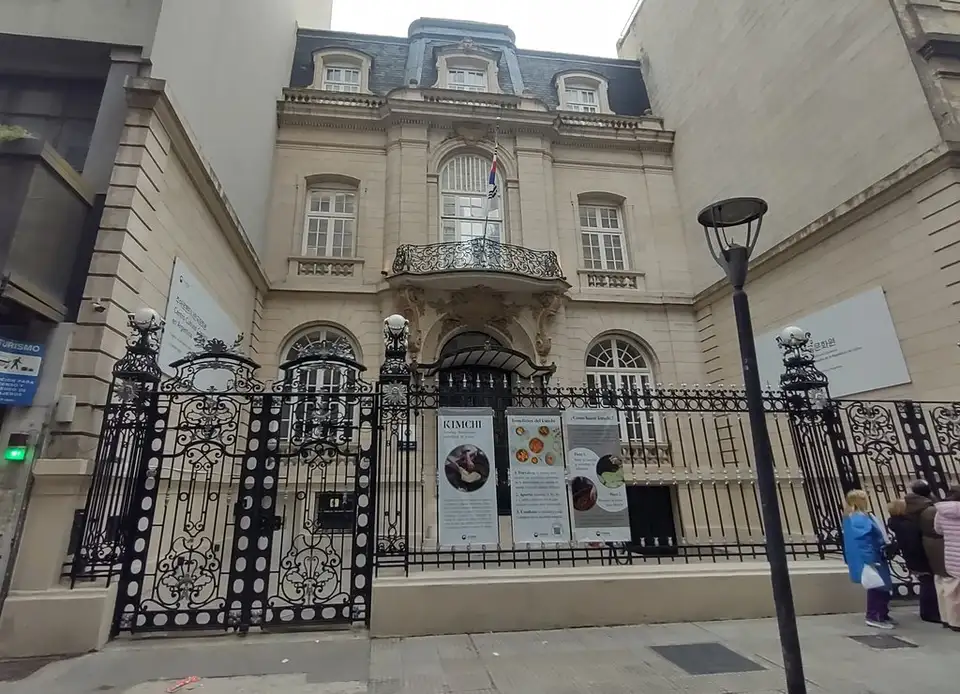
Korean Cultural Center
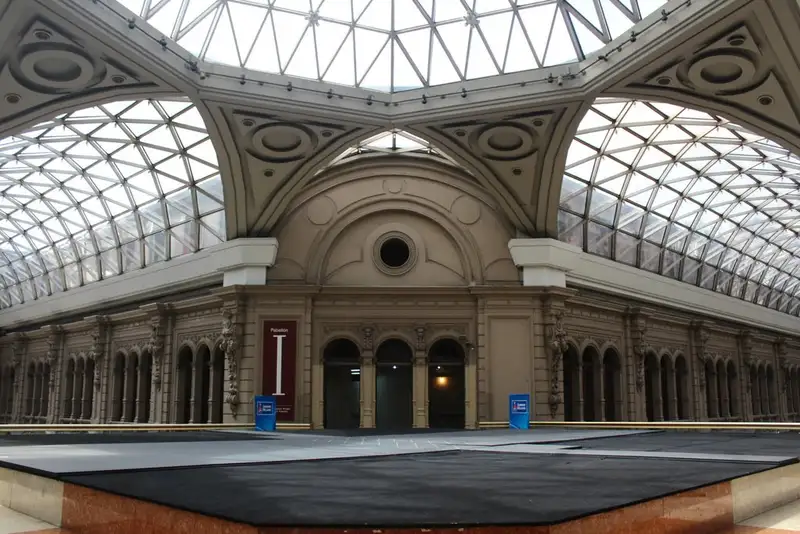
Located in the San Nicolás neighborhood, specifically on Maipú street, the Korean Cultural Center serves as a key meeting point for those looking to deepen their understanding of Korean artistic and literary expression. The space operates within the former Palacio Bencich, a building that brings a distinctive architectural character to the urban environment of Retiro and provides a setting for the promotion of what is known as the ‘Korean wave’. Beyond being a promotional center, the venue acts as a bridge of cultural exchange between Argentine society and Korean traditions.
Architecture and urban context
The Cultural Center’s premises stand out for their integration into an area of historic and commercial buildings. By occupying the former Palacio Bencich, the institution offers an experience that combines the classical aesthetic of Buenos Aires architecture with contemporary proposals from Korea. This physical quality means a visit is not only a journey through thematic content, but also an encounter with Buenos Aires’s architectural heritage. The building sits at a strategic point in the city, allowing its programming to reach a diverse audience that moves through the central districts and Retiro.
Cultural programming and exhibitions
The center’s activity is organized around a calendar that spans literature through to the visual arts. One of the pillars of its offering is the promotion of Korean literature, with spaces devoted to reading and specialized exhibitions of illustrated books. These exhibitions typically bring together works with international recognition, including titles awarded at competitions such as the BolognaRagazzi, allowing visitors to explore the contemporary landscape of the book from a technical and artistic perspective. Through these presentations, the center aims to showcase materials that have often not had wide distribution in the local market.
A tour of its galleries can include expanded sensory experiences, where text and image are complemented by audiovisual and sound elements. This exhibition approach allows for a deeper engagement with the onomatopoeia, graphic styles, and visual narratives characteristic of Korean culture. The curation of these shows is generally oriented toward strengthening ties between the publishing industry and local audiences, offering a window onto internationally recognized authors.
Exchange and community
The Korean Cultural Center consolidates its role as a space for ongoing learning through courses and workshops that allow direct contact with the various facets of Korean culture. These activities are designed to foster knowledge of aspects ranging from the linguistic to the artistic, enabling visitors to engage in formative processes beyond the passive observation of an exhibition. In this way, the center functions not only as an exhibition venue, but as a hub of constant activity connecting the local community with the trends and traditions of Korea.