Museo Postal Telegrafico Y De Telecomunicaciones
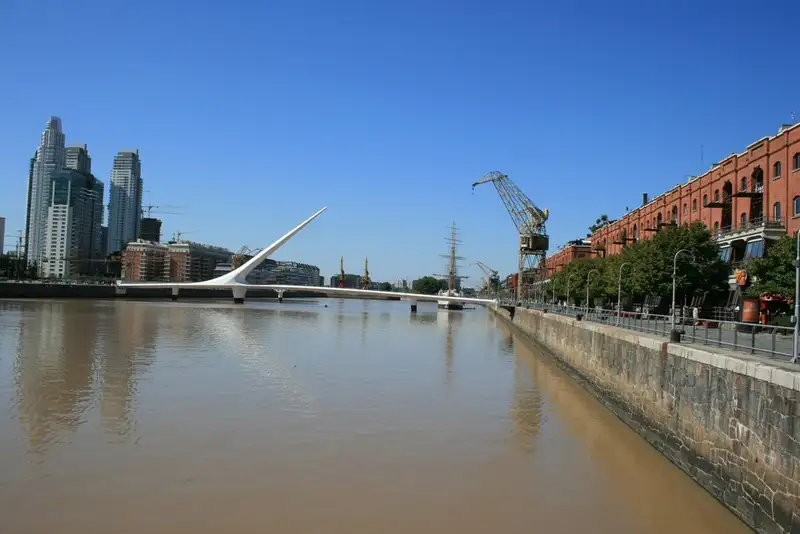
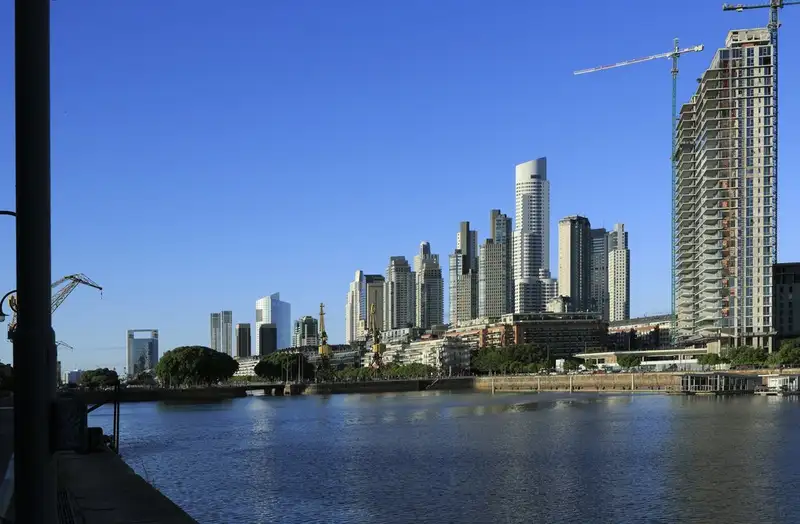
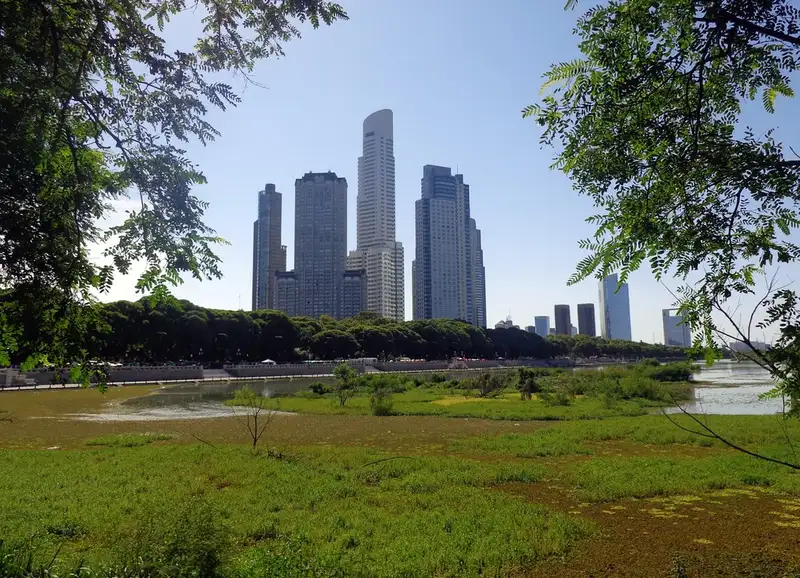
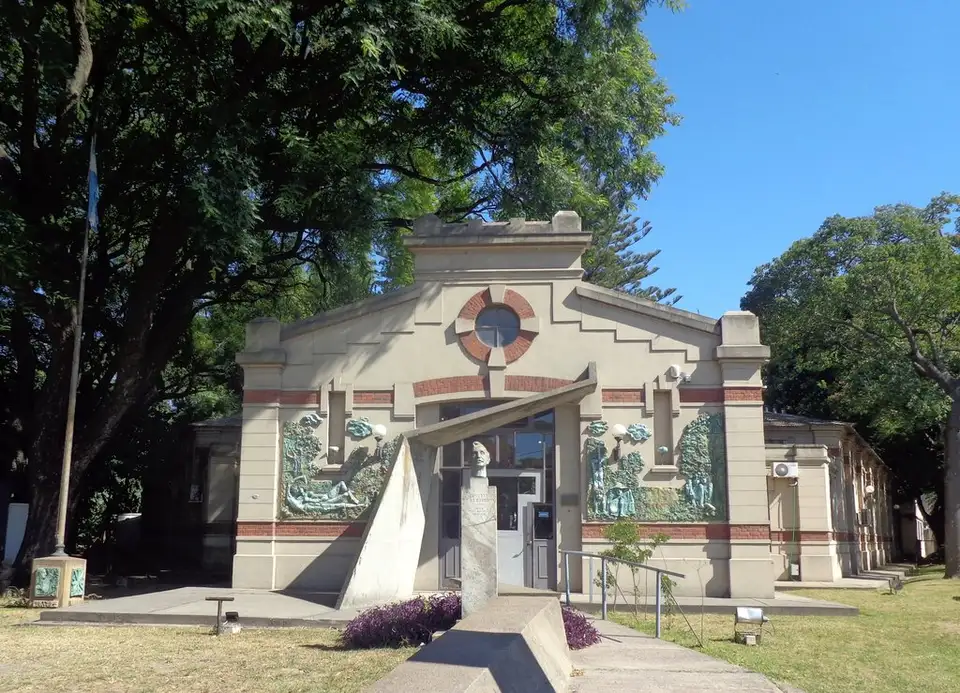
Located in the heart of Puerto Madero, the Museo Postal, Telegráfico y de Telecomunicaciones operates as a space dedicated to preserving the technical and cultural memory of communication systems in Argentina. In a neighborhood defined by its modern architecture and recent real estate development, this museum offers a historical counterpoint to its surroundings of skyscrapers and docks, focusing on the evolution of the means that connected the city to the rest of the world.
Heritage and period technology
The museum’s value lies in its ability to make tangible the technological transition of the late decades and early twentieth century. The collection stands out for including elements linked to the figure of Faustino Sarmiento, whose influence was decisive in the organization of public and communications services in the country. Among its most significant pieces are original equipment dating from 1900, allowing visitors to observe the scale and complexity of the tools used before the digital era.
The tour allows visitors to follow the evolution of transmission and reception devices, from mechanical and telegraphic systems to the first steps of modern telecommunications. These objects are not merely technical relics, but testimonies to the development of the infrastructure that sustained Buenos Aires’ growth as a central communications hub in the region.
Context in Puerto Madero
The presence of this museum in the Ing. Huergo area places the visitor at an intersection between the industrial past and the cosmopolitan present of the district. While the surroundings of Puerto Madero are defined by their commercial dynamism and their promenades along the docks, the museum offers a pause to understand the operational foundations on which urban connectivity was built.
Situated in an area where international transport terminals and modern office complexes coexist, the space complements the neighborhood experience by contributing a cultural dimension that goes beyond the architectural or gastronomic. It is a point of interest for those looking to understand how communication technology shaped the identity of the Argentine capital.