Reserva Ecológica Costanera Sur
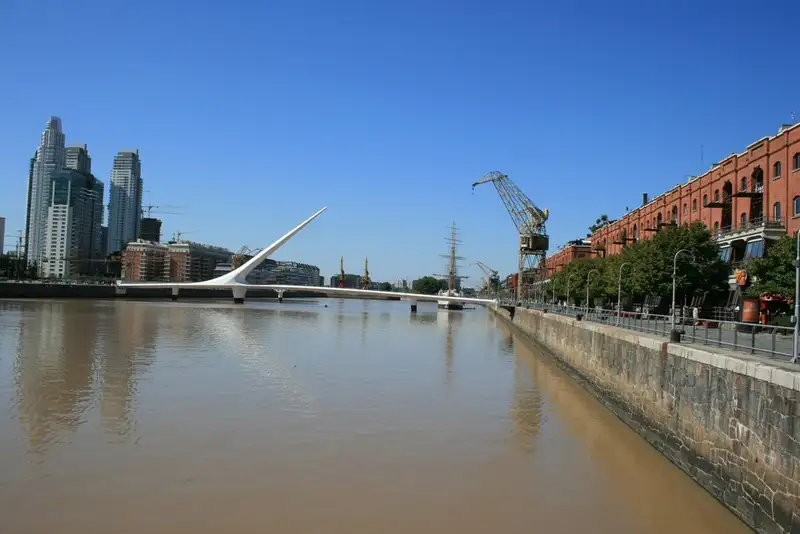
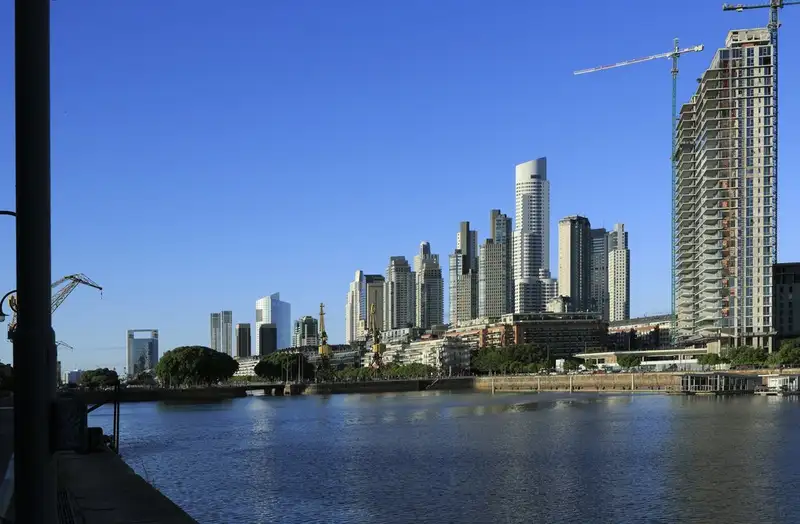
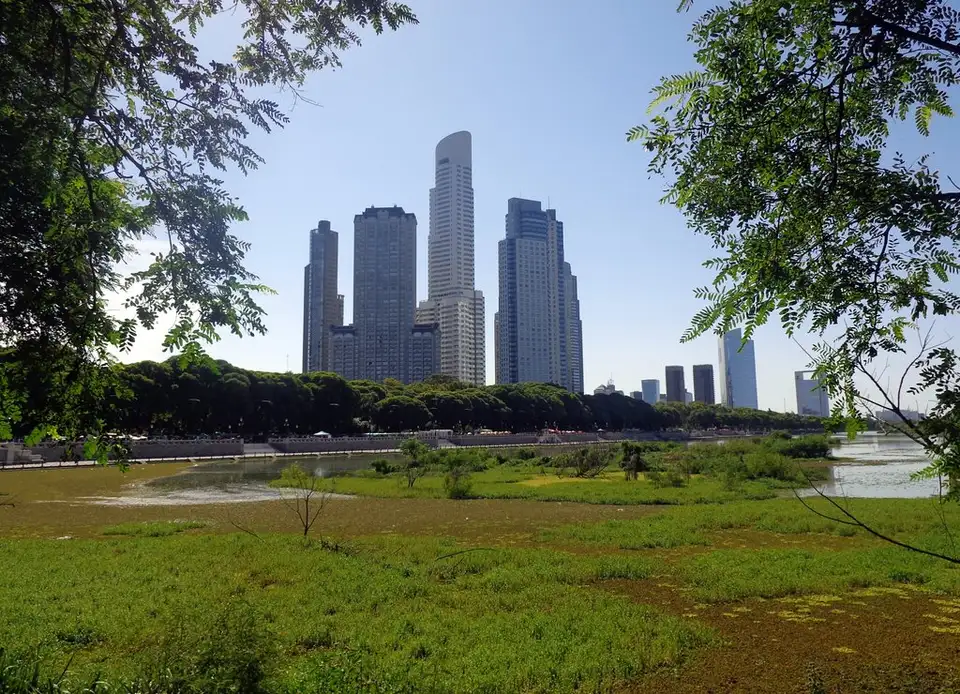
Located on the boundary between the modern Puerto Madero district and the waters of the Río de la Plata, the Reserva Ecológica Costanera Sur is the largest green space in the City of Buenos Aires. Spanning 350 hectares, this ecosystem serves as a fundamental refuge for regional biodiversity, having been declared a Ramsar site in 2005 in recognition of its international value as a wetland. Its presence creates an immediate contrast with the surrounding urban environment, replacing concrete structures and skyscrapers with a landscape dominated by forests, grasslands, lagoons, and marshes.
Biodiversity and wetland ecosystem
The biological value of the site is reflected in the enormous variety of species that inhabit its grounds. The reserve is home to more than 2,000 distinct species, including plants, animals, fungi, and insects. The landscape consists of a transition of habitats where visitors can observe turtles and lizards alongside coipos, adapted to the water cycles of the area. A defining feature is birdwatching; the reserve is a strategic destination for specialists from around the world, with more than 343 bird species recorded in its skies, many of them observable along short routes.
Among the plant species, ceibos stand out — their flowering is a symbol of the local landscape. The structure of the ecosystem, composed of lagoons and floodplains, sustains wildlife in the middle of one of the most densely populated metropolises in the region.
The natural trail network
The experience inside the reserve unfolds along a system of trails that cross its different environmental units. The site currently has six main trails that allow visitors to move through the area in an organized way. A notable infrastructure development is the installation of new interpretive boardwalks extending over the existing pedestrian paths. These structures not only ease movement across terrain that can be wet or uneven, but also provide safer access for people with reduced mobility, children, and older adults.
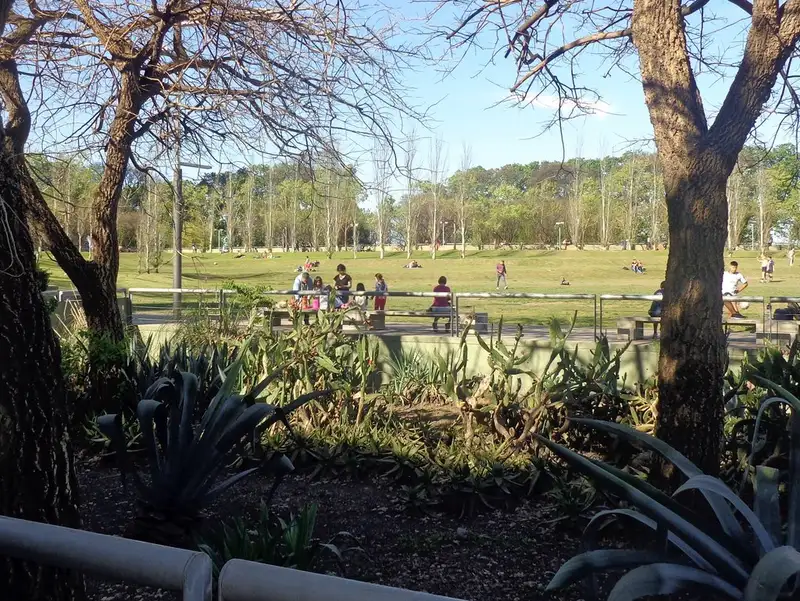
The trails invite unhurried observation of nature, passing through forested areas and grassland zones. Their layout offers visual connections between the reserve and the river horizon, maintaining a sense of seclusion from the noise of the nearby financial district.
Territorial connections and heritage value
The Reserva Ecológica does not function as an isolated element; it forms part of a broader ecological network called the Ecoruta del Río de la Plata. This circuit of more than 100 kilometres connects various protected spaces across the Buenos Aires Metropolitan Area (AMBA) and its surroundings, integrating areas such as the Reserva de la Biósfera Delta del Río Paraná and the Parque Nacional Ciervo de los Pantanos. This interconnection is vital for maintaining biological corridors that allow species to move freely.
Beyond its ecological importance, the site holds heritage value tied to its strategic location. Situated just metres from Puerto Madero and close to the city’s historic centre, the reserve acts as a natural boundary that preserves the environmental memory of the coastal zone against the pressure of urban development.