Parque Mujeres Argentinas
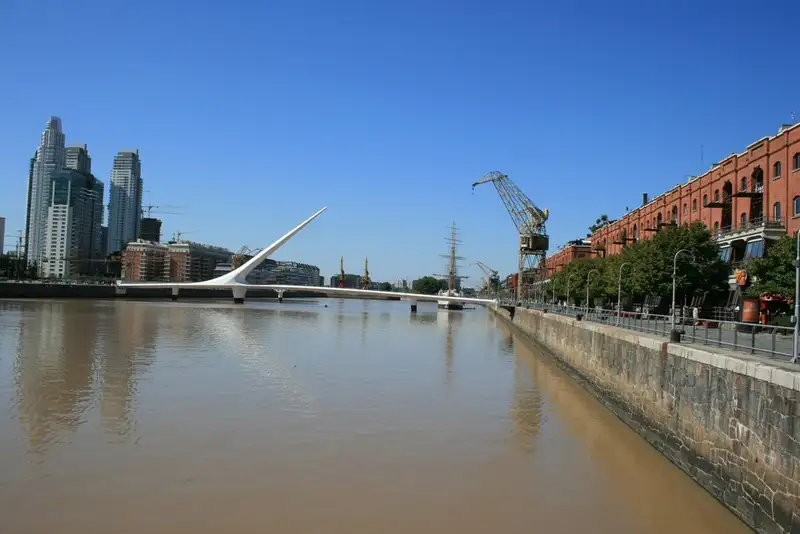
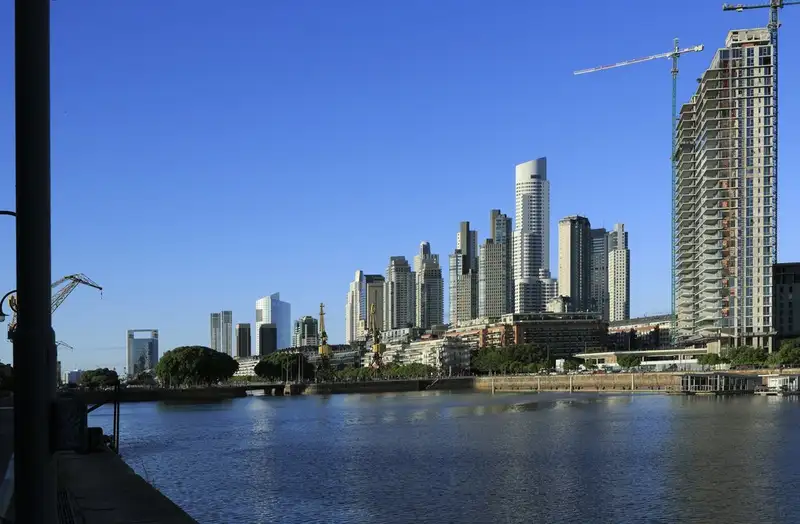
Located east of Dique 3, in the heart of Puerto Madero, Parque Mujeres Argentinas functions as a meeting and transition point between the urban fabric of Buenos Aires and the riverbank. This green space, covering approximately 8.5 hectares, was conceived as a landscape operation to integrate the new building developments with the coastal surroundings. Its design is not purely aesthetic but symbolic: the park pays tribute to the country’s most notable Argentine women, whose identities are already present in the street names that define this section of the neighborhood.
Landscape and urban design
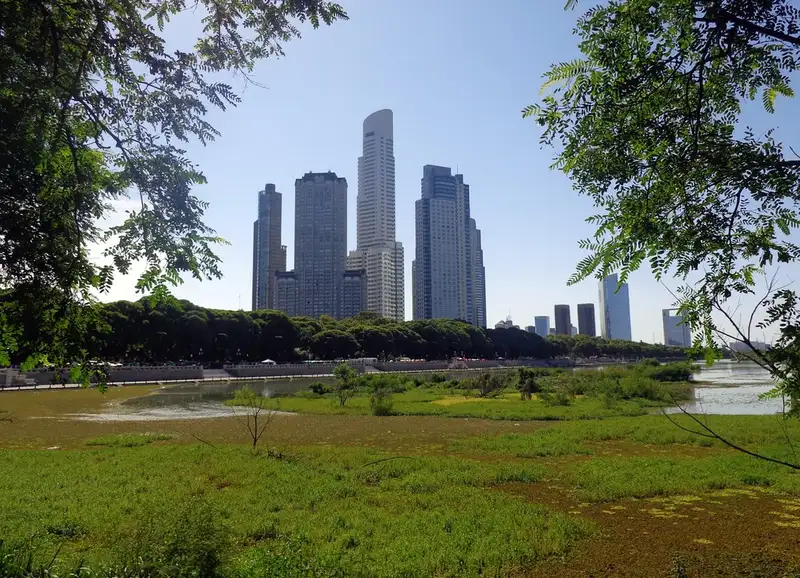
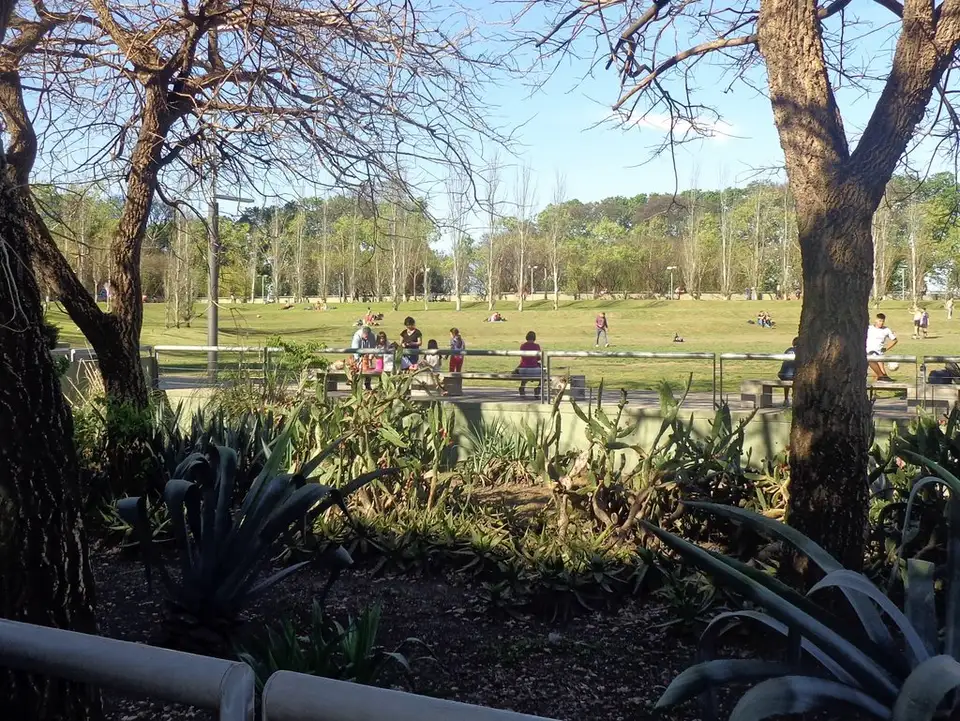
The park is characterized by a landscape architecture that uses differentiated levels to offer varied perspectives of the surroundings. Its structure features a central plaza designed along the logic of an amphitheater, with stepped edges covered in vegetation that allow for a panoramic view of the area. This design aims to create containment zones and spaces suited to large gatherings, functioning as an element that anchors the city to the river.
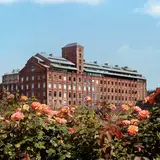
The botanical composition is one of the most distinctive features of a visit. The park holds specimens typical of the country, among them magnolias, tipas, araucarias, and jacarandás. In its central area, a notable collection of around 200 rose plants in various colors adds a particular sensory dimension, especially in spring, when their fragrance and blooms adorn the space.
Context and territorial integration
Inaugurated between 2006 and 2007, this space is the result of a project that received recognition in landscape architecture competitions. Its construction, carried out by Corporación Antiguo Puerto Madero, formed part of the most recent revitalization of the waterfront district. The park sits at a key intersection of major avenues — Juana Manso, De los Italianos, and Marta Lynch — acting as a green lung that mitigates the impact of the surrounding asphalt.
Beyond its recreational function, the park represents a shift in the understanding of the urban, promoting movement and circulation within a modern environment. By surrounding its central areas with a dense belt of shrubs and trees, the design achieves a landscape finish that offers shelter and a visual pause within the dynamism of Puerto Madero.