Parque de la Memoria
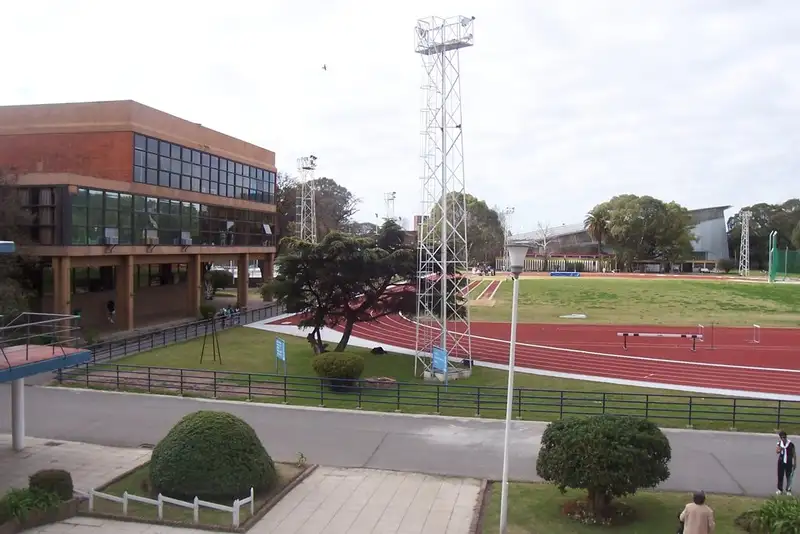
Located at the northern edge of the Belgrano neighborhood, facing the vastness of the Río de la Plata estuary, the Parque de la Memoria functions as a public space dedicated to reflection and tribute. The grounds occupy a strategic area of the Costanera Norte, near Ciudad Universitaria, integrating its design with the river landscape to serve as a monument to the victims of the military regime between 1976 and 1983. Its importance lies not only in its historical and social value, but also in its capacity to articulate collective memory with a natural environment that was a direct witness to fundamental events in Argentine history.
The Route and the Symbolism of the Landscape
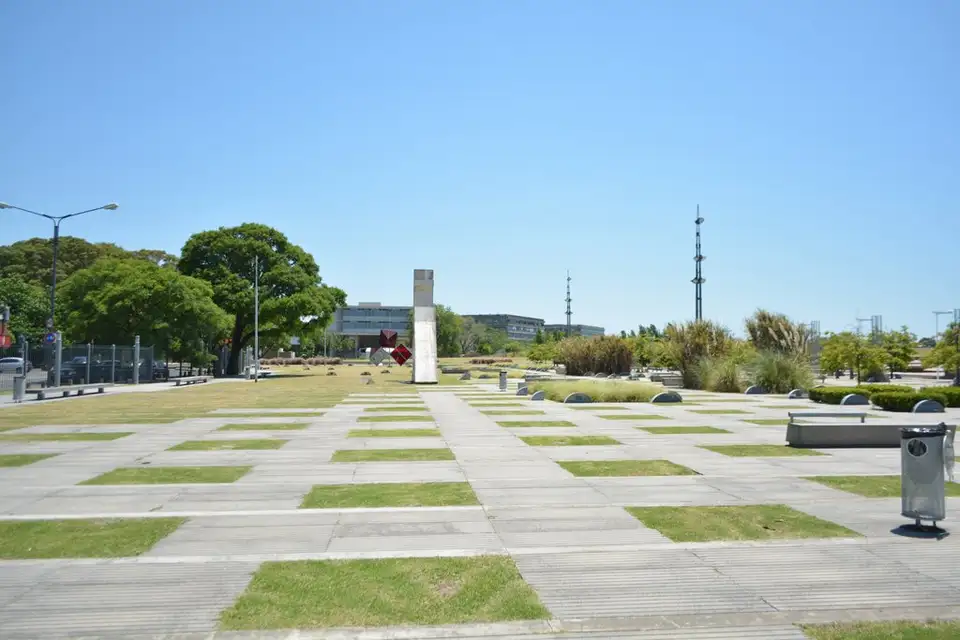
The visit to the park unfolds through a design that uses physical elements to narrate a story of absence and permanence. One of the most distinctive features is a ramped pathway that cuts across the grass, forming a structure that visually evokes a wound in the ground. This path leads toward the riverbank, where the names of victims of state violence are inscribed. The route invites a measured pace, allowing the scale of the space and the proximity of the water to guide visitors’ experience.
The park covers approximately 14 hectares, where contemporary art is interwoven with commemoration. The complex includes 18 sculptures distributed across the grounds; twelve were selected through an open competition and the remaining six are works by artists committed to human rights. Among the pieces that make up this open-air museum are works by figures such as Roberto Aizenberg, Clorindo Testa, and Jenny Holzer, alongside works by William G. Tucker, Dennis Oppenheim, Per Kirkeby, Marjetica Potrc, Magdalena Abakanowicz, Leo Vinci, and Carlos Distéfano.
Territorial Context and Historical Memory
The park’s location carries a profound symbolic weight due to its proximity to the Costanera Norte area. A few hundred meters to the north of the grounds lies a military airport that was used during the dictatorship period for the so-called ‘death flights’ — operations in which victims were thrown into the river and the sea. This geographic proximity connects the commemorative space with the physical site where these events occurred, transforming the natural landscape into an inseparable component of the monument.
The park is integrated into the urban fabric of Belgrano and the Ciudad Universitaria area, functioning as a meeting point between historical memory and the city’s public life. As a space that also houses a meeting room for activities related to the arts, science, and the preservation of memory, the grounds transcend their purely commemorative function to become a cultural dissemination center within the Buenos Aires context.