Dot Baires Shopping
Located in the northern part of the City of Buenos Aires, on the boundary between the Núñez and Belgrano neighborhoods, Dot Baires Shopping stands as one of the largest and most modern shopping centers in the capital. Its strategic position, close to the boundary with the municipality of Vicente López, places it outside the traditional downtown circuit, but makes it a key landmark for those traveling along the city’s northern corridor.
A multi-level complex
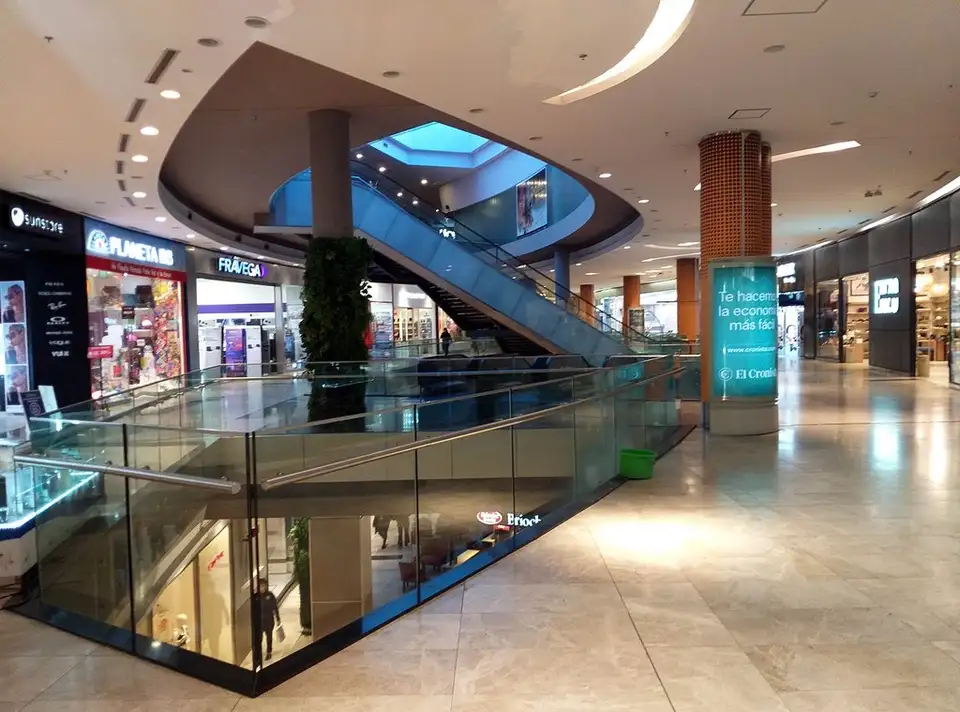
The building is structured across four main floors and three basement levels housing a diversified retail offer. Walking its corridors, visitors can find more than 150 brands, with a notable presence of international fashion and accessories labels. Among the most recognized offerings are stores such as Zara, Lacoste, and Levi’s, alongside footwear and sportswear specialists including Adidas, Nike, Puma, and The North Face.
The scale of the complex means a visit is not limited solely to clothing shopping. The mall integrates various services and spaces dedicated to entertainment, with cinema screens equipped with 2D and 3D technology, and gaming areas such as Neverland, aimed at younger and teenage visitors. This combination of retail stores and leisure zones gives the center the character of an urban gathering place.
Dining and meeting spaces
Beyond the fashion and cosmetics stores, Dot features a large food court bringing together a range of dining options, from global chains such as McDonald’s and KFC to café offerings like Starbucks. This infrastructure is designed to support extended stays within the complex.
A distinctive feature of this shopping center is its rooftop terrace. In recent years, this space has established itself as a nighttime meeting point thanks to bars with music programs and DJs, such as Aribau and Maldini, extending the venue’s activity well beyond daytime retail hours.
Context in the northern corridor
The mall is integrated into the surroundings of the Belgrano and Núñez neighborhoods, areas noted for their residential and commercial importance. Situated close to major transport routes, including the Belgrano Norte and Mitre rail lines, it functions as a node connecting the city’s dynamics with the northern zone of Greater Buenos Aires, offering a large-scale alternative to the more traditional shopping centers in the downtown area.