Anne Frank Center Argentina
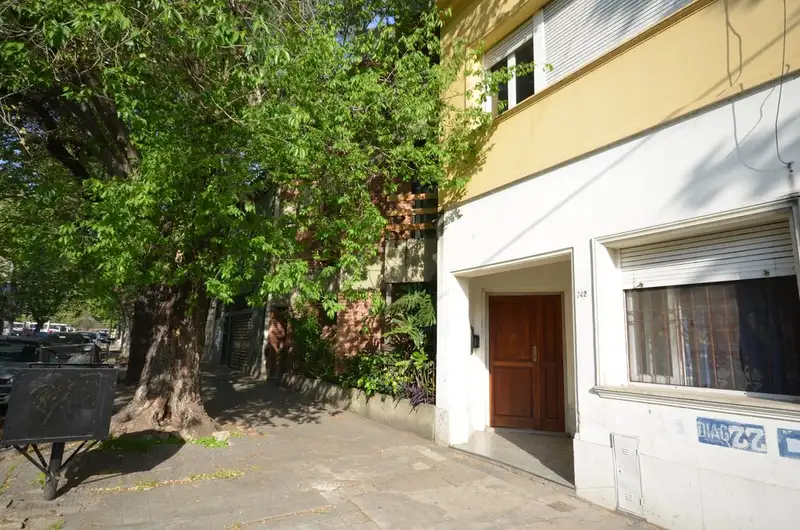
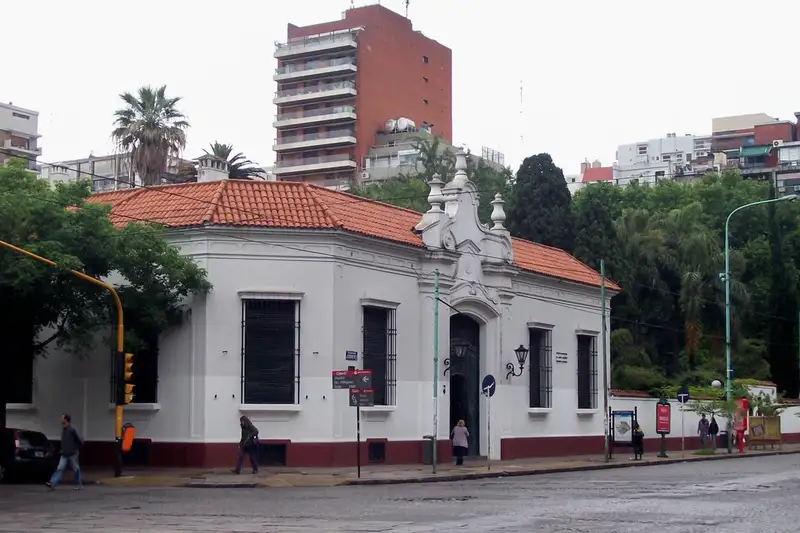
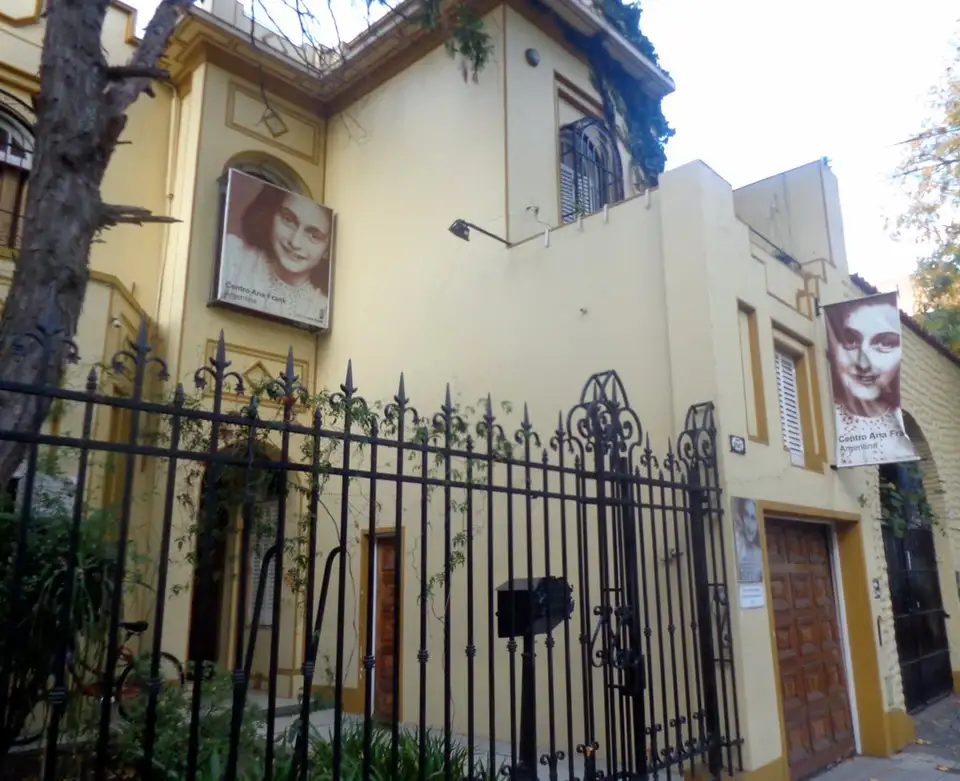
In the heart of the Belgrano neighborhood, a traditional residential district of the City of Buenos Aires, sits the Anne Frank Center Argentina. This space is not merely a cultural point of interest, but an initiative aimed at keeping historical memory alive through the reconstruction of fragments of a story that marked the world. The center emerged from a collaboration between the Anne Frank House and a group of Argentine volunteers, operating out of a donated building to extend the work of preserving the legacy of the young Dutch diarist in Latin America.
A journey through memory and history
The visit to the center is structured to provide an educational perspective on the events surrounding the Second World War. The tour begins on the first floor, where an educational display traces the history of Nazi Germany and the development of the war. This account is not presented in isolation, but is woven together with the trajectory of the Frank family and the events narrated in her diary. Through photographs, key dates, and fragments of testimony, visitors can understand the process of Hitler’s rise to power and the discriminatory policies applied against the Jewish community and other minorities.
The tour invites reflection on persecution and the importance of keeping the debate about discrimination alive today. The content is designed so that historical events are understood alongside the daily life of a family that, like so many others, was forced into exile and hiding.
The reconstruction of the Secret Annex
One of the most significant elements of the center is the presence of a scenic replica of the “Secret Annex.” This space recreates the rooms of the house in Amsterdam where Anne Frank and her family remained in hiding for nearly two years to escape Nazi persecution. Walking through the second floor, visitors can enter rooms that aim to faithfully reproduce the atmosphere of that secret refuge.
This reconstruction allows for a more direct connection with the physical experience of confinement and silence that characterized life in the annex. The ability to walk through a space that emulates the dimensions and layout of the rooms where Anne wrote her diary makes the center a tool for sensory learning, moving beyond a simple reading of facts toward an understanding of the human environment of the era.
A memory site in Belgrano
The Anne Frank Center is woven into the cultural fabric of Belgrano as a space for reflection that connects the local with the global. Located in a neighborhood with a strong residential and commercial identity, the center offers a counterpoint of historical introspection within the dynamism of Buenos Aires. Its existence as one of the few centers of this kind in the world — sharing this distinction with cities such as Amsterdam, London, Berlin, and New York — underscores the significance of its educational work in the region.
The center’s purpose is consolidated not only as a place of study about the Holocaust, but as a space dedicated to preserving debate around human rights. It functions as a bridge between the past documented in the diary and the present-day need to recognize the consequences of intolerance.