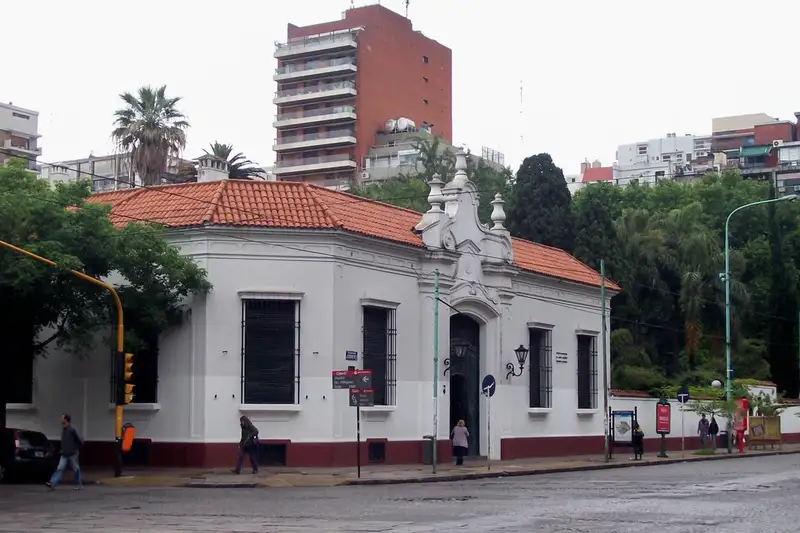
Iglesia de la Concepción, Belgrano
Located in the traditional Belgrano neighborhood, the Iglesia de la Concepción stands as a testament to the urban and religious development of the area. This church, inaugurated in 1878, serves as a point of reference within the residential and commercial fabric of one of Buenos Aires’ most established neighborhoods. Its presence in the immediate surroundings adds a historical dimension that contrasts with the contemporary activity of the area.
Architecture and local history
The church’s structure reflects the significance this building held for the Belgrano community since the late 19th century. Having been inaugurated in 1878, its construction coincides with a period of growth and consolidation of the neighborhood’s identity. The church’s architecture integrates with the urban scale of the surrounding streets, maintaining a direct relationship with the layout of the area, which is characterized as an upper-middle-class district with a strong residential character.
The value of this site lies not only in its religious function, but in its capacity to act as an anchor of memory within the fabric of Belgrano. The building’s permanence across the decades allows one to observe the evolution of its surroundings, from its more traditional origins to the current configuration of streets and businesses that define the neighborhood.
The Belgrano surroundings
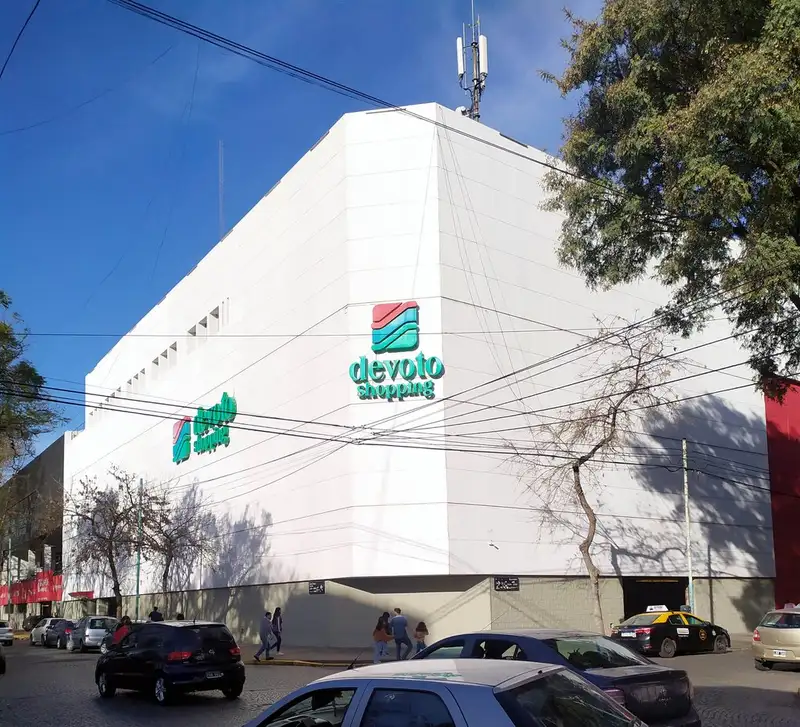
A visit to this point of interest unfolds in a context where the historical and the modern coexist. Situated in an area of considerable commercial importance, a walk through its immediate vicinity connects the solemnity of the church with the energy of other nearby emblematic districts, such as the Barrio Chino or areas with greater pedestrian activity. Its proximity to major transport hubs and subway stations makes this site easy to include in a broader itinerary through the northern part of the city.
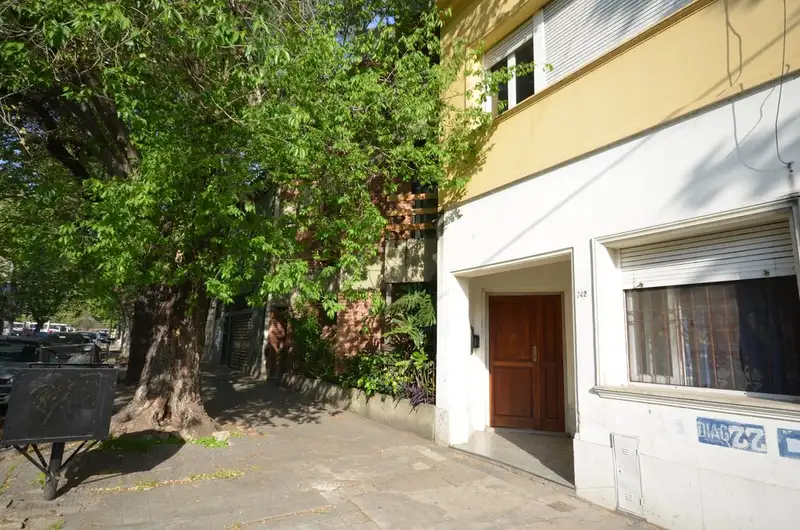
The area around the church is marked by an atmosphere that combines the calm of its residential streets with the energy of a significant commercial hub. This duality is what allows the church to function not as an isolated element, but as an active component of Belgrano’s cultural landscape, offering a space for pause and reflection amid urban activity.