Estadio Monumental de River Plate
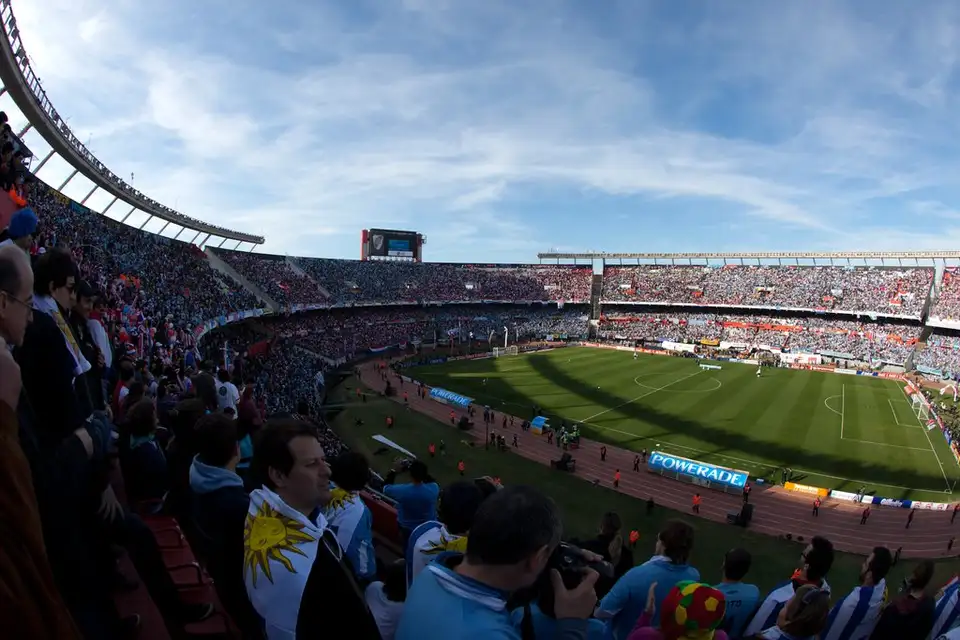
The Estadio Monumental de River Plate stands as one of the most culturally and athletically significant landmarks in the Belgrano neighborhood of the Autonomous City of Buenos Aires. Beyond serving as the home ground of a historic club, the venue functions as an architectural and social landmark that defines part of the porteño identity. Its strategic location in a middle-to-upper-class residential and commercial area allows the stadium to integrate into the urban fabric of Belgrano, connecting the passion of football with the everyday life of one of the capital’s most traditional neighborhoods.
A tour through sporting memory
The experience within the complex goes beyond simply observing a playing field. The facility offers tours that allow visitors to explore the club’s history and its impact on national sport in depth. Through its visitor programs, it is possible to walk through key areas such as the locker rooms and the tunnel access zones, providing a close-up perspective on the dynamics experienced on match days. The tour is designed to connect visitors with the monumental scale of the structure, allowing them to appreciate the magnitude of a stadium with a capacity of over 60,000 people.
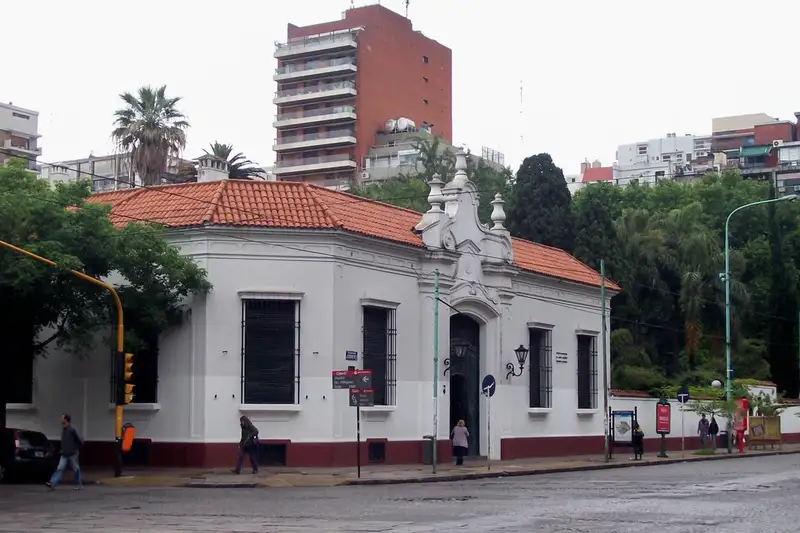
The club museum complements this historical dimension, functioning as a space for preserving Argentine sporting memory. Its rooms display items that narrate the evolution of the team and its place in the history of world football. A distinctive feature of this space is its focus on accessibility; the museum offers resources such as Braille testimonials for visitors with visual impairments and institutional videos with sign language interpreters, ensuring that the historical narrative is accessible to a diverse audience.
Context and cultural surroundings
The Monumental is not an isolated element but forms part of a broader cultural ecosystem in the northern part of the city. Its presence shapes the dynamics of the Belgrano neighborhood, an area noted for its residential importance and its proximity to other points of interest such as Barrio Chino. The stadium’s infrastructure, with its imposing stands and expansive design, engages with the urban scale of the area, establishing itself as an unavoidable geographic reference for anyone moving through this part of Buenos Aires.
The relevance of this space extends to Argentine culture at large, as the venue has witnessed milestones that link sport to other iconic figures of the country. The integration of historical elements and the capacity to host large-scale events position it as a central node where sporting tradition and the city’s urban life converge.