Parque Nacional Los Arrayanes
Explore the singular arrayán forest, a protected ecosystem on a peninsula of Lake Nahuel Huapi.
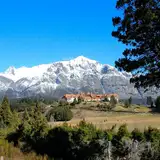
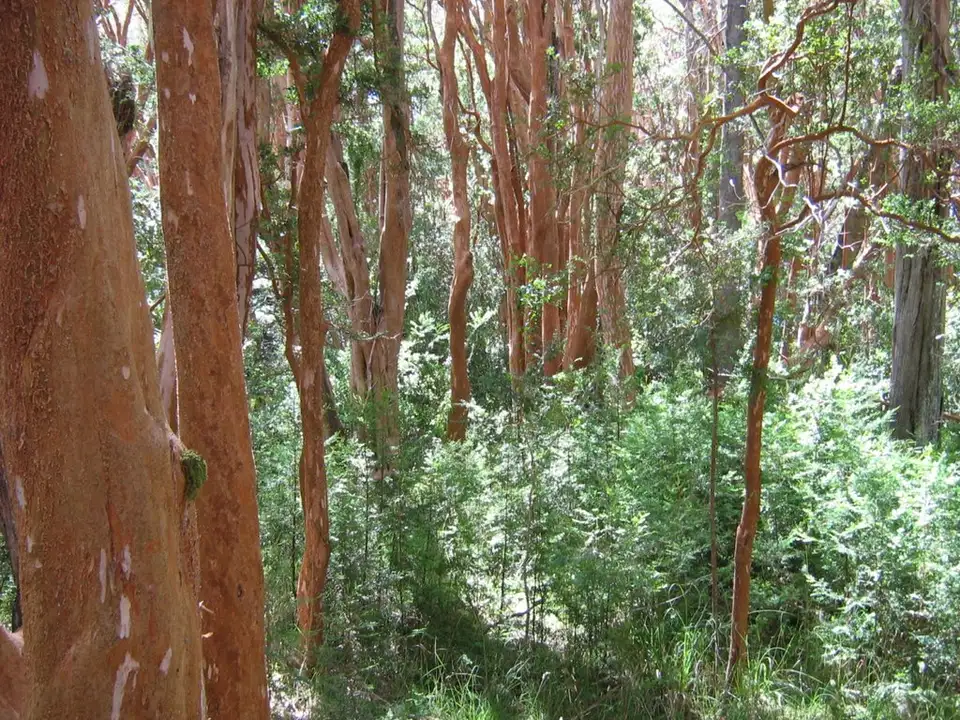
Parque Nacional Los Arrayanes is a distinct enclave within the Andean-Patagonian region. Situated on a peninsula that extends into Lake Nahuel Huapi, this area functions as a specialized refuge to protect a forest resource unlike any other in the world: a pure forest of centuries-old arrayán trees. Unlike other routes around Bariloche or Villa La Angostura, the experience here centers on observing a specific natural unit, where the cinnamon-colored bark and trunks of these trees define the visual identity of the landscape.
The setting of the centuries-old forest
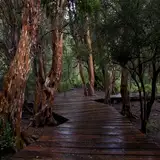
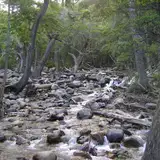
The dynamics of the visit are shaped by direct contact with native flora. The park shelters an Andean-Patagonian forest ecosystem distinguished by its homogeneity. Walking its trails, visitors encounter a forested mass in which the arrayán is the undisputed protagonist. This tree, whose most notable characteristic is its smooth bark in warm tones, grows under conditions that allow the formation of this pure forest. The structure of the landscape — composed of specimens that have grown over decades or even centuries — offers an environment of low tree density but considerable visual impact owing to the uniformity of its trunks.
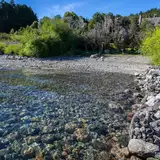
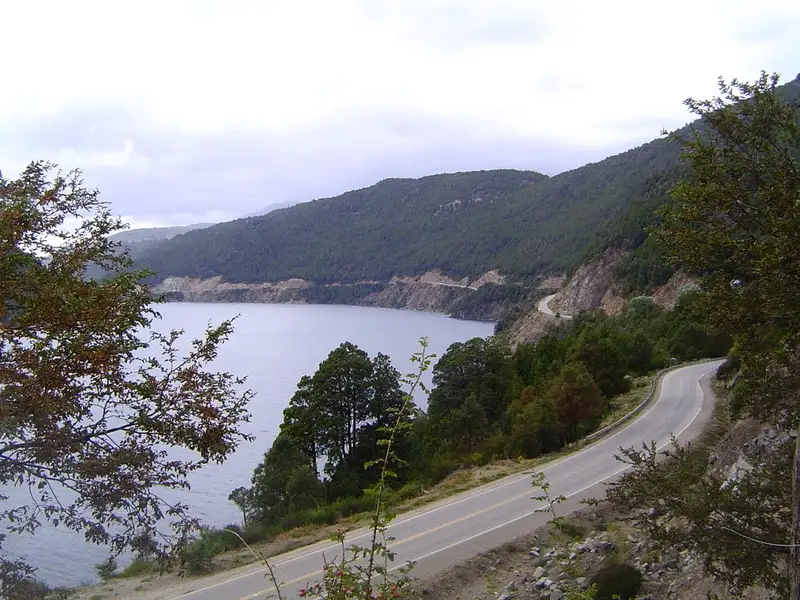
The park’s geographic position, linked to Lake Nahuel Huapi and close to transit routes such as Ruta 40, places it as a point of interest for those seeking a transition between mountain landscapes and lake zones. The peninsula, connected by a strip of land that joins the Villa La Angostura area, allows the vegetation to interact with the lake’s edge, creating a microclimate that favors the preservation of this species.
Visitor profile and nature of the activity
This experience makes sense for a traveler interested in ecotourism and botanical observation. It is not a physically demanding activity but rather a contemplative walk where the focus is on interpreting the natural surroundings. It is well suited to those looking to step away from more intensive activities such as rafting or high-mountain trekking in order to immerse themselves in a calm environment for studying local flora.
The activity unfolds primarily through observation of the forest’s distinctive features. Visitors can take in the texture of the bark, the way the trees cluster together, and how this particular ecosystem differs from the denser jungles or forests found elsewhere in Patagonia. The natural environment itself is the main component; there are no elements foreign to nature to distract from observing the natural unit that has been protected since the park’s establishment in 1971.

Plan this experience
- Type
- experience