Estancia Jesuítica La Candelaria
Jesuit legacy in Traslasierra
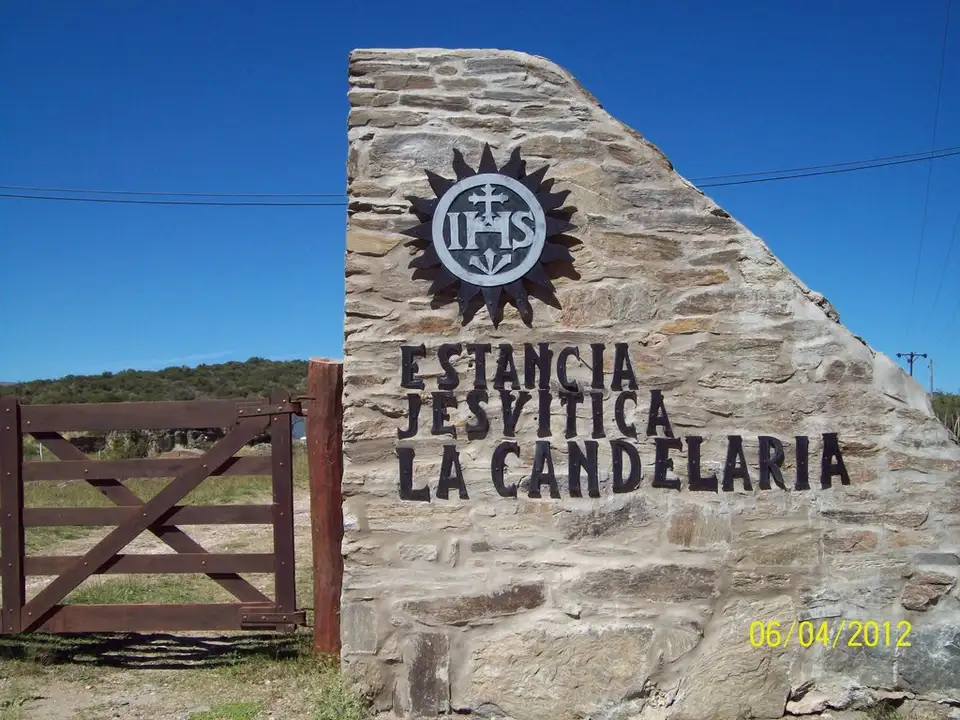
Estancia Jesuítica La Candelaria is an architectural and productive complex that forms part of the Jesuit missions in the province of Córdoba. Located in the Traslasierra Valley, specifically near the town of La Higuera, this property represents one of the most significantly preserved testimonies of the economic and religious system developed by the Society of Jesus in the region. Its importance lies not only in its value as a national historical monument since 1983, but also in being an integral part of the Jesuit Block of Córdoba, recognized as a UNESCO World Heritage Site.
The site is distinguished by having functioned as a center of agricultural and cultural development. Unlike other purely religious settlements, La Candelaria was designed to integrate the management of natural resources with the social organization of the time. The structures that still stand allow one to observe how the Jesuits articulated land use and architecture to sustain a self-sufficient economy in a mountain environment.
Architecture and productive landscape
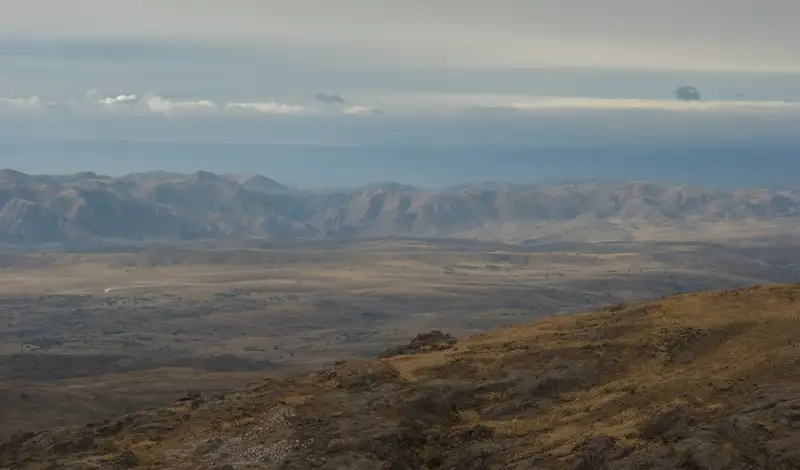
A walk through the estancia allows one to appreciate the scale of the original constructions and their relationship with the natural surroundings. The landscape is marked by the presence of stone pircas and structures that evidence the engineering and architectural work of the Jesuits. The arrangement of the buildings reflects a logic of territorial use, where construction adapts to the mountain topography to facilitate farming and livestock tasks.
Walking through the grounds, it is possible to observe elements that refer to the productive past of the estancia. The constructions, built with local materials, show how human and natural resources were integrated to create an ecological and cultural system unique to its time. The presence of architectural remains and stone boundaries offers a clear view of the technical ingenuity applied to the management of these lands, allowing one to imagine the dynamics of life and work that characterized this enclave during the period of Jesuit presence.
An encounter with regional history
A visit to La Candelaria offers a deep perspective on the territorial organization of the old Tucumán. Access to the site involves traversing roads that connect with the mountain identity, placing the visitor in a context where colonial history and the natural landscape of Córdoba meet. This space functions as a link between the missionary past and the current reality of the communities of Traslasierra.
The complex is not merely a stone remnant, but a testimony to the impact that Jesuit work had on the economic configuration of the province. The preservation of its physical features allows one to understand the complexity of the social and economic processes that unfolded on these lands before the expulsion of the order. The site invites a close observation of the material traces that remain as part of Argentina’s cultural heritage.