Nant Fall Nature Reserve
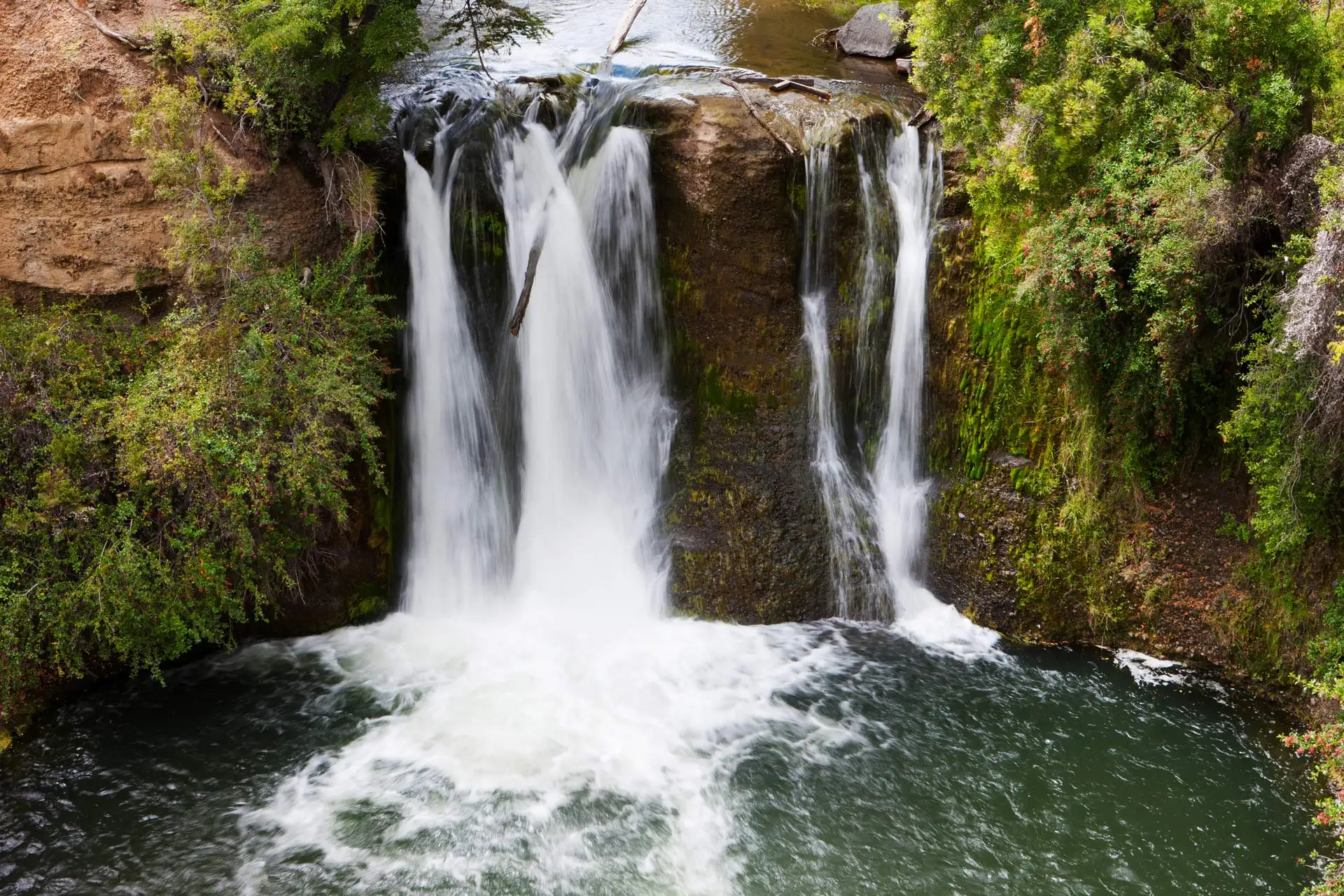
Located in the area, Nant Fall Nature Reserve is a fundamental space for preserving the ecosystem typical of the Andean forest in the region. This property, covering approximately 250 hectares, functions as a biodiversity refuge where the local terrain and hydrology intertwine to maintain the integrity of native flora and fauna. The very name of the place reflects the cultural mix of the area: ‘Nant’ comes from Welsh and means stream, while ‘Fall’ is an English term for waterfall or cascade. ## The waterfall circuit The reserve’s layout is designed to allow close observation of its most dynamic elements without compromising the stability of the terrain. Of a total of seven waterfalls, the circuit provides access to four of them via strategically positioned walkways. This trail system, which is low in difficulty, facilitates passage through the wettest and most rugged areas, allowing visitors to stop at specific points to contemplate the movement of the water and the surrounding vegetation. The route is not limited solely to observing the waterfalls; the surroundings invite a unhurried pace of visit. The trails pass through forested areas where vegetation density changes depending on proximity to the streams, offering direct contact with the dynamics of the Andean forest. The layout of the paths aims to make the circuit an immersive experience in the landscape, taking advantage of rest areas set aside for those seeking to step away from the urban pace. ## Territorial context and preservation The existence of this protected area has a historical background tied to the memory of local settlers. The current circuit is the result of a donation made by Glenys Owen, a former resident of Colonia 16 de Octubre, which lends the site a heritage value that goes beyond the purely biological. This initiative allowed the property to become established as the first protected area in the province of Chubut. The reserve is fully integrated into the Ruta 259 circuit, connecting with other points of interest in the comarca, such as the tulip fields that bloom in the area during spring. This territorial interconnection allows the flow of visitors to the waterfalls to complement the seasonal dynamic of Trevelin and its surroundings, reinforcing the region’s identity as a corridor of nature and culture.