Sea Lion Reserve
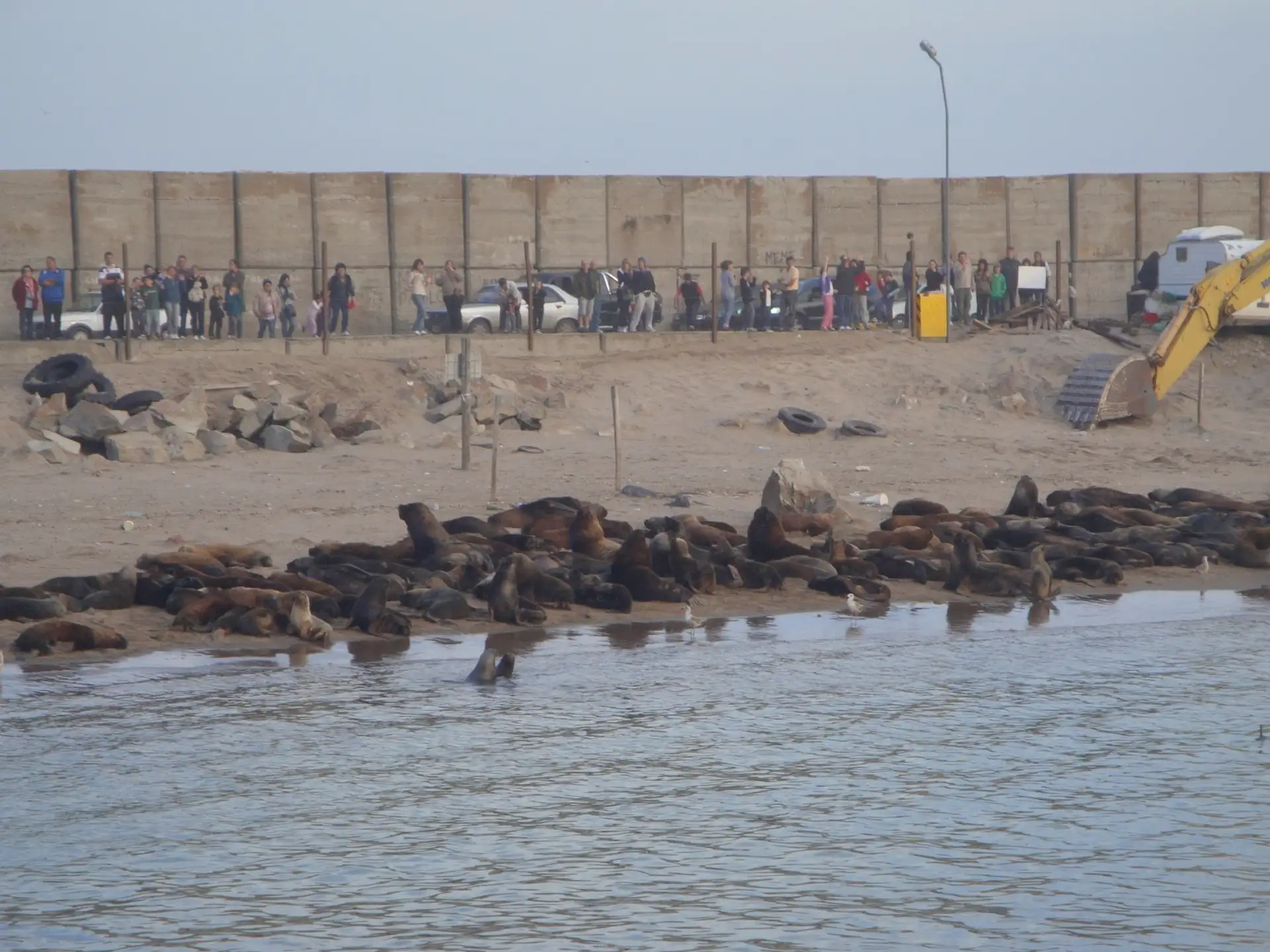
Located in the port area of Mar del Plata, specifically along the southern breakwater, the Sea Lion Reserve is a biodiversity enclave within the urban fabric of the city. This space functions as a small protected area where marine fauna find refuge for rest and interaction, allowing wildlife to coexist alongside port activity.
The significance of this sector lies in its protected status; since 1994, the species inhabiting the area has been declared a Natural Monument of Mar del Plata. This legal recognition underscores the need to preserve the environment against coastal development and ensures that the sea lion colony retains a space for its natural biological processes, such as play, rest, and social interactions among individuals.
The breakwater walk
A visit to the reserve takes place primarily along the viewpoints and paths that run beside the southern breakwater structure. The route allows direct observation of the animals in their habitat without invasive interventions. From the platforms and designated areas, visitors can see individuals resting on the rocks or interacting with one another in the water, offering a clear view of the colony’s dynamics.
The surroundings are characterized by the stone structures that form the port’s sea wall, which serve as the base for the fauna’s settlement. Observation is not limited to a single point; moving through the area makes it possible to take in a range of behaviors, from periods of greater activity during daylight hours to quieter stretches when the animals rest in the more sheltered spots away from the waves.
Connection with the port environment
The reserve is fully integrated into the ecosystem of the Port of Mar del Plata, functioning as a point of contact between human activity and the coastal natural world. Situated just a few minutes from the city center, its proximity means the presence of sea lions forms part of the everyday identity of both port workers and those passing through the area. This closeness makes the reserve a distinctive feature of the port landscape, where vessel movement and commercial activity coexist with the animals’ natural cycle.
This space not only serves as a refuge for the species but also functions as a reference point within the region’s network of natural areas, connecting the urban zone with the biological processes of the South Atlantic. The preservation of this small sector is essential for maintaining the ecological balance in one of the most frequented stretches of the Buenos Aires coast.