Cervecería Antares
Cervecería Antares is a landmark in the gastronomic identity of Mar del Plata. What began in the late 1990s as a personal project by two young people from Mar del Plata, driven by a home brewing hobby, grew into one of the most important craft beer brands in Argentina. Its origins are deeply tied to the entrepreneurial spirit of the city, starting from a garage and evolving into a production operation that today includes a large-scale facility.
History and brewing evolution
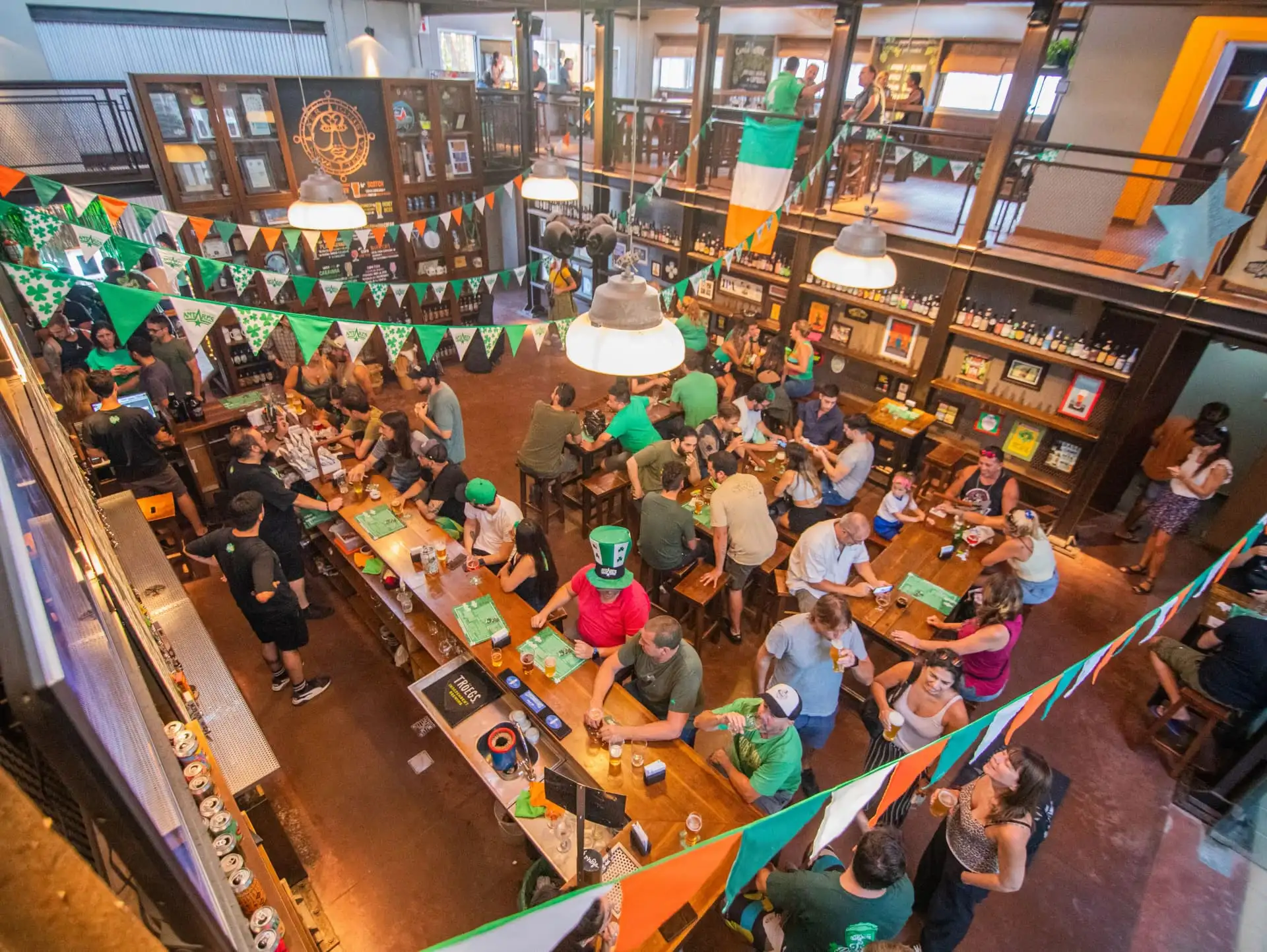
The history of this project can be traced back to the early 1990s, when the use of home equipment for brewing allowed its founders to explore the possibilities of the craft style. In 1994, the creation of a miniature brewery called “Grosellar” marked an early step in this process of learning and experimentation. The defining milestone came in 1998 with the opening of the first BrewPub in Mar del Plata, establishing a consumption model where production and service coexist in the same space.
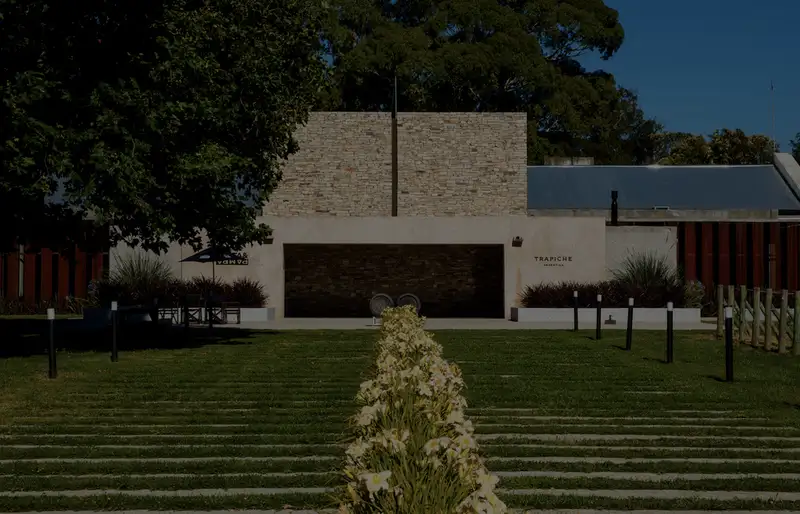
Over the years, production capacity expanded significantly. In 2013, the opening of its Bar de Fábrica represented a step forward in the integration of its processes, and by 2016, the expansion of its facility in Mar del Plata’s industrial park allowed it to meet demand that had already grown beyond local limits. This technical evolution has enabled the brand to maintain steady cycles of innovation, introducing more than ten new beer styles each year, including varieties such as the Kolsch — characterized by being golden and refreshing — and the IPA.
The craft of artisanal brewing
Antares’s approach rests on principles aimed at preserving the essence of hands-on work. Artisanal technique is the central component, with the process from recipe to barrel filling depending fundamentally on the human element. This approach is complemented by a constant pursuit of quality in the use of wort and the implementation of tools such as the pilot plant, designed specifically for experimentation with new ingredients and flavors.
This commitment to innovation extends beyond the variety of styles to include the creation of seasonal menus and signature cocktail offerings. The current production structure is capable of processing millions of liters per year, integrating modern processes without losing sight of the identity that connects it to its origins in Mar del Plata. The development of formats such as the “botellón” also allowed craft beer culture to reach beyond its physical locations, making its way into consumers’ homes.