Parque Sarmiento
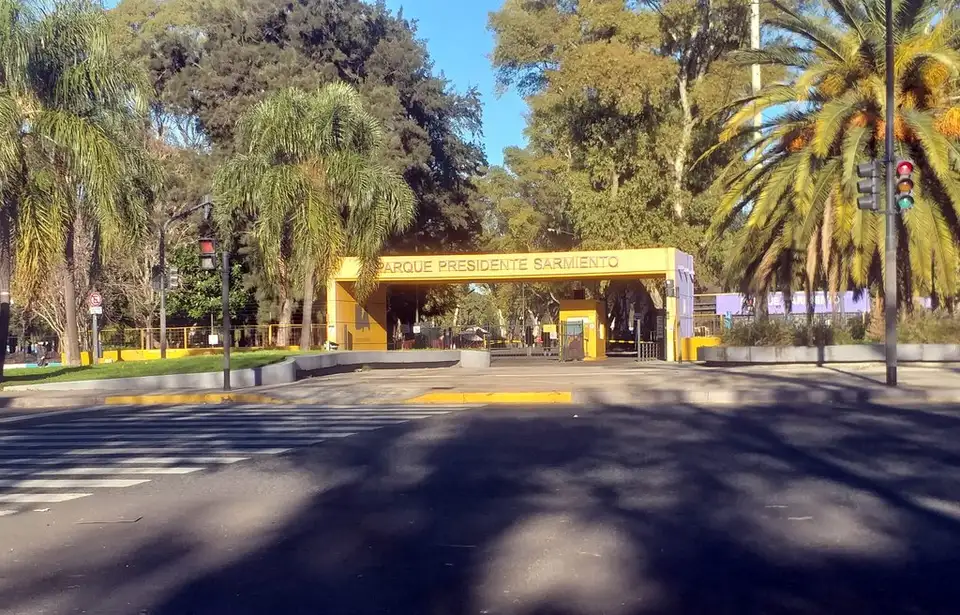
Located in the heart of the Belgrano neighbourhood, Parque Sarmiento stands as one of the most significant green spaces in the Ciudad de Buenos Aires. Spanning 35 hectares, this grounds functions as an essential urban lung for the area, offering relief from the density of the metropolis. Since its opening to the public in 1973, the park has consolidated its role as a fundamental gathering point for local residents, integrating rest areas with spaces actively devoted to sport and recreation.
Landscape and natural surroundings
The park’s layout is defined by a structure that combines natural and artificial elements. The landscape is characterised by broad tree groves that provide shade and regulate temperature on warmer days, alongside paths designed for walking or cycling. One of its most distinctive physical features is the presence of an artificial lake, which adds a dimension of tranquillity to the surroundings and serves as a visual focal point within the park’s design. These spaces allow for a transition between the fast pace of the city and a more unhurried environment, where the vegetation and pathways facilitate contact with the open air.
Spaces for physical and social activity
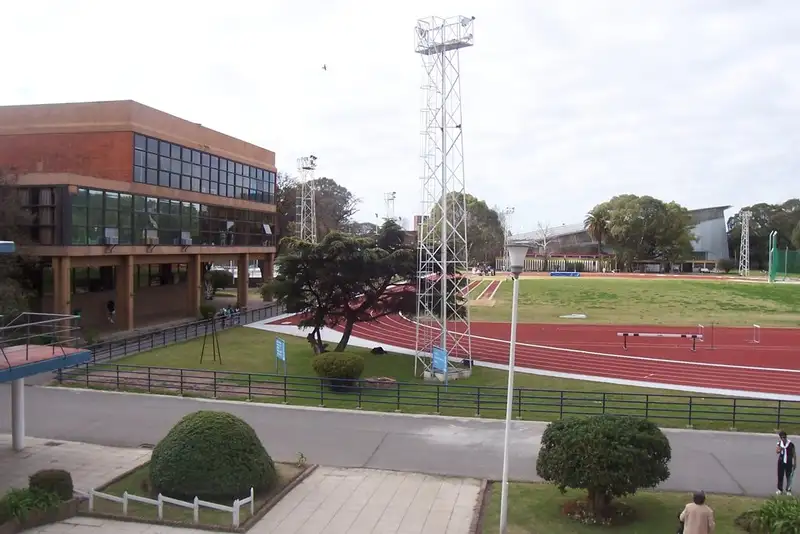
The park’s layout encourages constant use through its various facilities. It includes children’s play areas and multi-use courts that foster interaction between different generations. In recent years, the grounds have incorporated new sports spaces aimed at promoting outdoor disciplines, reinforcing its identity as a community wellness centre. The infrastructure also includes areas dedicated to specific sports, such as rugby pitches that have been added to zones previously used for other activities, reflecting an adaptation of the space to the needs of local clubs and athletes.
Cultural and territorial context
Parque Sarmiento is not an isolated element; it forms part of the social and cultural fabric of Belgrano. Its importance extends beyond simple recreational use, as it has served as a venue for cultural events and art fairs that allow local artists to exhibit their work. Situated within a neighbourhood with a strong residential and commercial identity, the park acts as a node connecting nature and urban life. Its upkeep and maintenance are key factors in preserving local biodiversity and ensuring that the city’s urban development includes quality spaces devoted to recreation and public health.