Espacio Memoria y Derechos Humanos ex ESMA
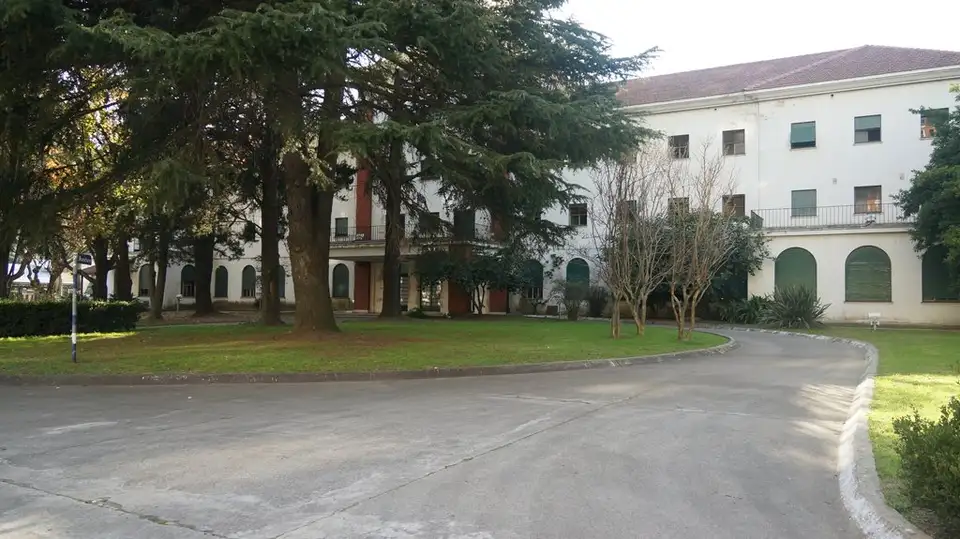
Located on the boundary between the Belgrano and Núñez neighborhoods, along Avenida del Libertador, the Espacio Memoria y Derechos Humanos ex ESMA occupies a 17-hectare site that stands as one of the most significant places in contemporary Argentine history. What functions today as a cultural and reflection center sits on the grounds of what was once the Navy Petty Officers’ School of Mechanics, a place that during the last military dictatorship (1976–1983) operated as one of the country’s most important clandestine detention, torture, and extermination centers.
The weight of history on the land
The value of this space lies in its capacity to transform a site of atrocities into a setting for the promotion of rights. During the period of state terrorism, the ESMA facilities witnessed the detention of thousands of people; it is estimated that of some 5,000 victims who passed through the site, only 200 survived. The emotional weight of the place is undeniable — its walls hold the memory of the disappeared and of inhumane practices, such as the death flights over the Río de la Plata, which took place within this same historical context.
The importance of the site goes beyond the purely commemorative to become integrated into the cultural fabric of the city. As a space that seeks to avoid repeating the mistakes of the past, it offers an educational and social dimension that connects directly with current Argentine identity. Its presence in the northern part of the City of Buenos Aires, near other sites of memory such as the Parque de la Memoria, consolidates a corridor of reflection on historical heritage and human rights.
A journey through memory and culture
The experience within the grounds unfolds through an approach that combines historical preservation with ongoing cultural activity. The visit allows visitors to understand the impact of state terrorism through an environment that evokes the solemnity necessary to engage with these events, while also opening itself to life through diverse expressions. The visit tends to be marked by a strong emotional weight, with the architecture and physical spaces acting as direct witnesses to what occurred.
The space is not limited to passive contemplation; it functions as a dynamic center that hosts exhibitions, theaters, film screenings, and courses. These activities aim to keep collective memory alive and encourage debate about the importance of defending human rights today. In this way, the site succeeds in integrating the dimension of the past with an active cultural agenda that invites people of all ages to participate in an ongoing process of learning and reflection.