Playa Quila Quina
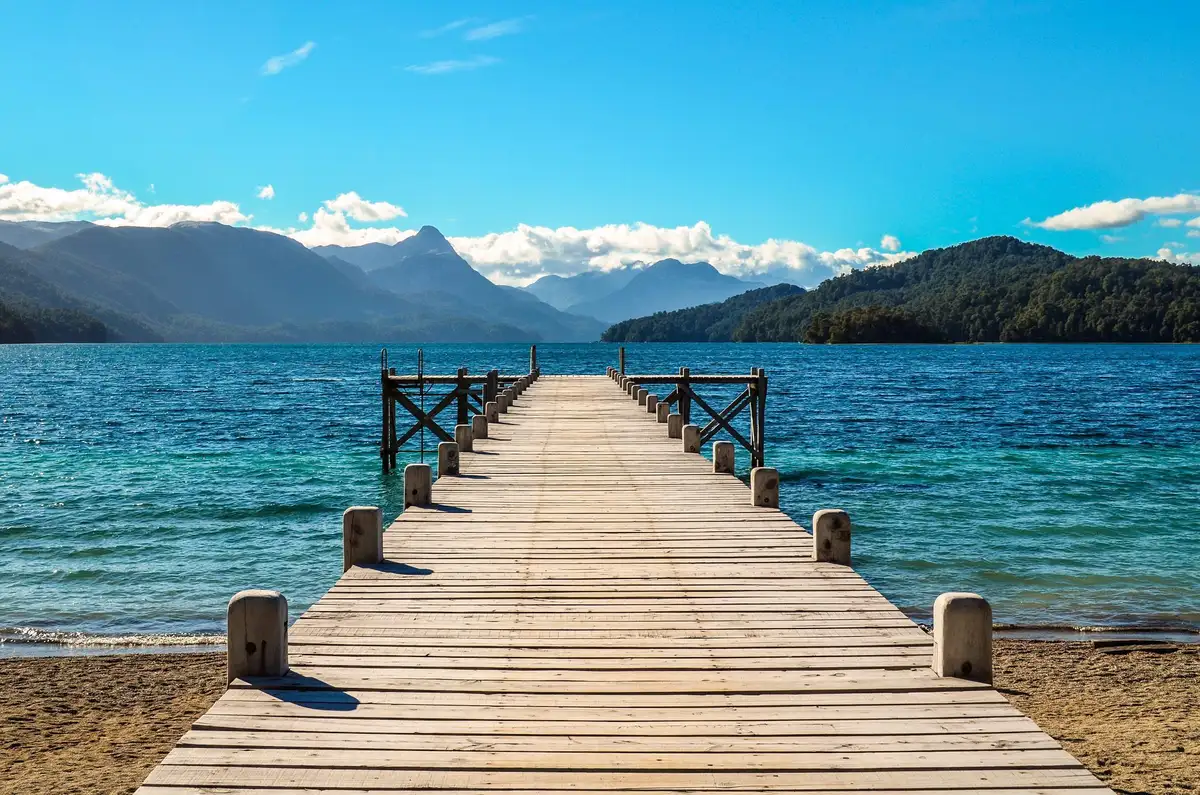
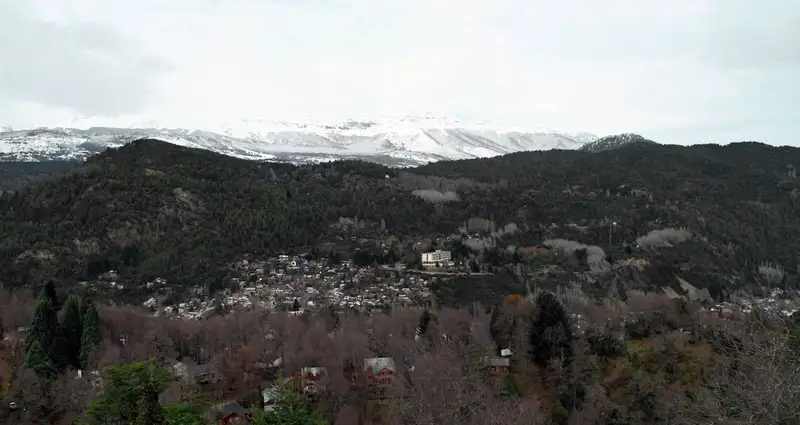
Located on the outskirts of San Martín de los Andes, Playa Quila Quina is a quiet stretch along the shores of Lago Lácar. This area forms part of the natural environment surrounding the Neuquén city, situated in a zone where the landscape of northern Patagonia takes shape through the interplay between the lake’s waters and the mountain formations of the region.
Surroundings and landscape
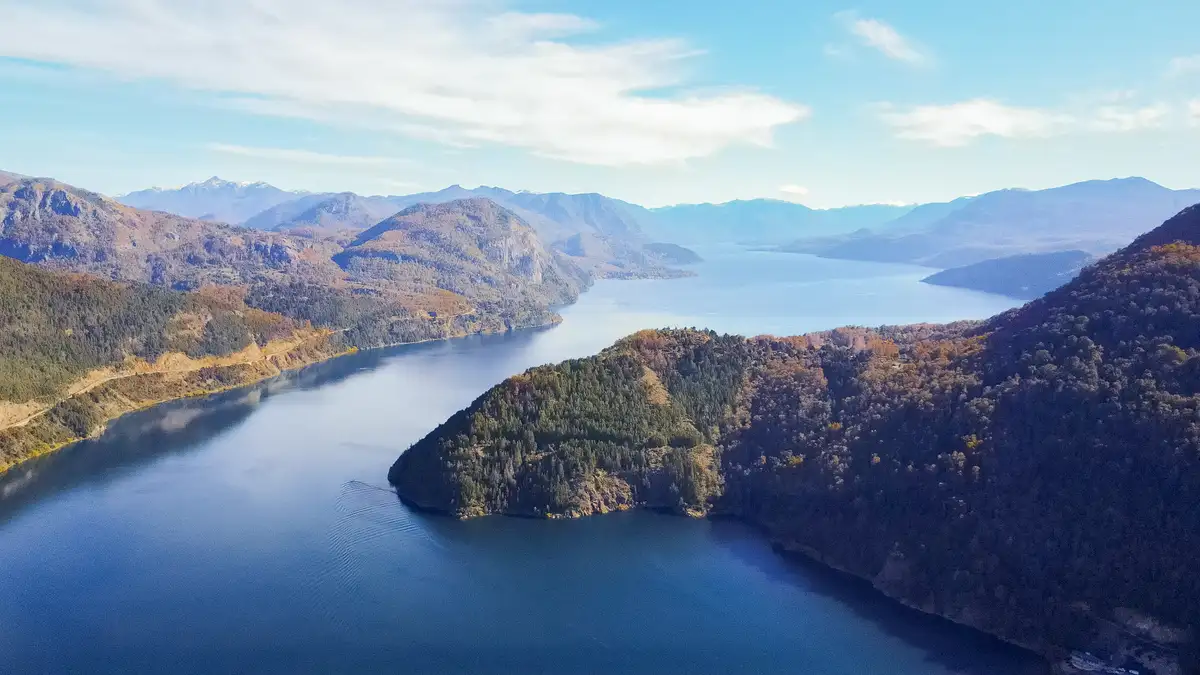
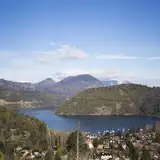
The place is defined by its calm atmosphere, offering direct contact with the physical characteristics of the area. The beach allows visitors to take in the mirror-like surface of Lago Lácar, integrated into the mountain ecosystem that defines San Martín de los Andes. The surroundings are marked by characteristic vegetation and views toward the encircling mountains, which form the central element of its visual identity. Situated in this sector of the lake, the beach functions as a transition point between the urban activity of the city and the wilder nature of the basin.
The coastal route
A visit to Quila Quina unfolds primarily through observation and walking along its shore. The terrain lends itself to low-intensity activities, such as walks beside the water or moments of rest in a setting suited to disconnecting. The scale of the place invites visitors to walk its margins and take in the changing coastline and the composition of the Andean landscape. As a space suited to contact with the natural environment, the route tends to involve contemplating panoramic views and using the area for outdoor activities such as picnicking or simply spending time in a low-density setting.
Territorial context
Playa Quila Quina is directly connected to the identity of San Martín de los Andes, a city that serves as a key point on the Ruta de los Siete Lagos. Its location on the shores of Lago Lácar places it within a natural corridor linking the region to other significant points in Argentine Patagonia. The presence of these kinds of coastal spaces is essential for understanding the relationship between the town and its territory, functioning as an extension of the lake landscape that defines the life and character of the province of Neuquén.