Destino Andino
What Destino Andino is
Destino Andino presents itself as a local tour operator in San Martín de los Andes focused on mountain and nature experiences in an adventure format. Its own site explains that it designs travel programs with either fixed departures or dates chosen by travelers, depending on group preferences and each participant’s physical profile. That positioning places it as a trip operator and service provider rather than a single stand-alone attraction.
The company defines its core offering as natural, immersive experiences in Patagonian landscapes. It states that programs range from options with no physical intensity to those with greater complexity, indicating a portfolio structured for different audiences within one local brand.
Local operator and service coverage
In its institutional page, Destino Andino says it is a local operator and the provider for most of the activities and excursions it sells, with qualified guides for each experience. That points to end-to-end operation: not only booking tours, but managing on-the-ground transport, logistics, and support throughout the day. It also notes it has its own passenger vehicles, enabling transfers both inside and outside National Parks for its programs.
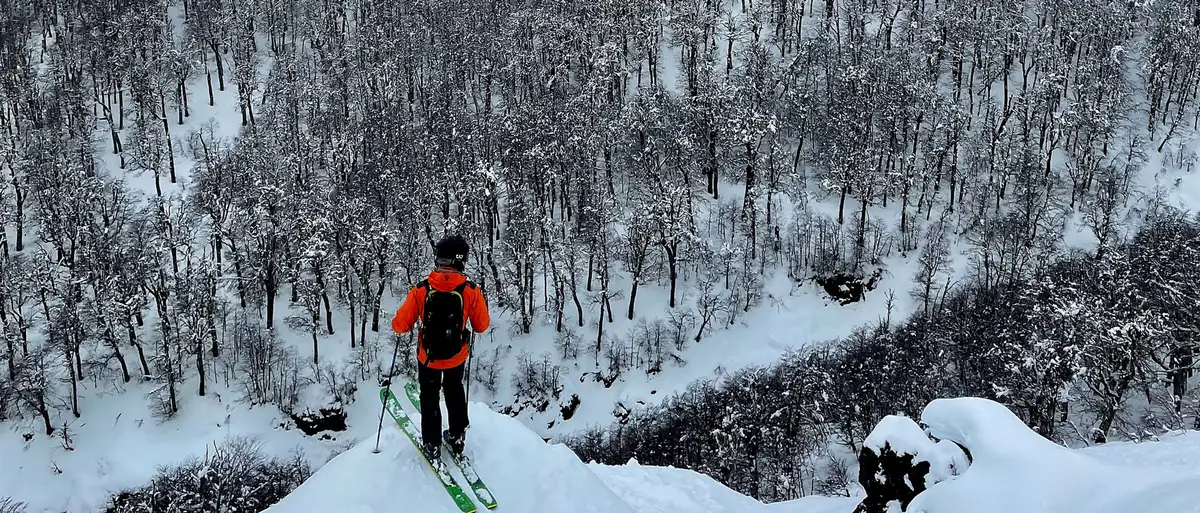
The company also identifies itself as a Lanín National Park operator and says that, in winter, much of its structure is dedicated to snow activities as a receptive operator in Chapelco. It describes itself as offering an integrated ski service and receiving passengers from various ski agencies and operators during the season.
Operational and regulatory framing is explicit. Destino Andino says it is a legally authorized travel and tourism company through Argentina’s National Tourism Secretariat; that its transport operations are authorized by the Neuquén Transport Secretariat; and that its drivers hold national habilitation via CNRT. It also notes guides carry basic safety equipment such as first-aid kits, VHF communication, and mobile phones. In a mountain-tour context, these details are part of its service and risk-management model.
Signature experiences in San Martín and the surroundings
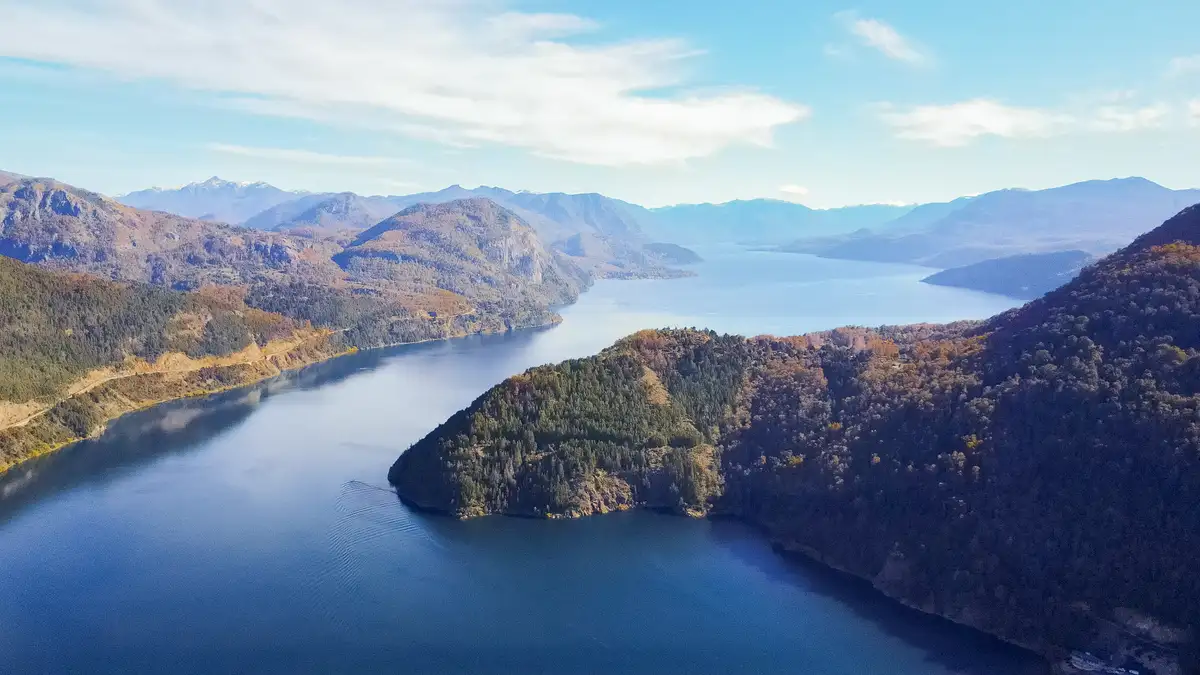
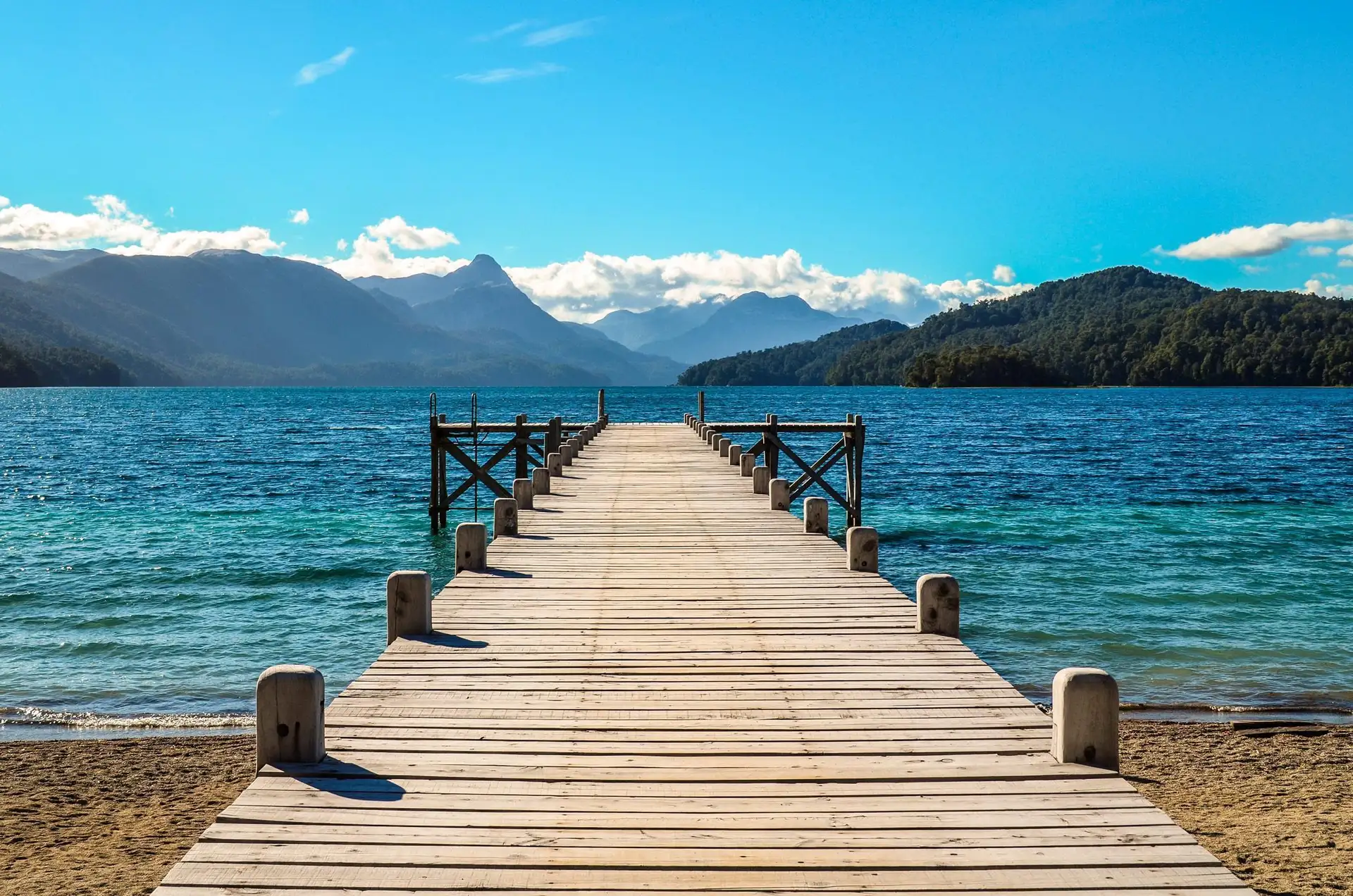
Featured activities on the site emphasize a strong geographic core: lakes, Patagonian-Andean forest, and links to Villa La Angostura and Lanín National Park. One highlighted route is Hua Hum and Chachín, described as a scenic drive along Lake Lacar, viewpoints to the Andes and the lake, the Piedra Trompul formation, a crossing of the Hua Hum river on a wooden bridge, a walk to the 30-meter Chachín waterfall, and return stops at river beaches and the Yuco peninsula.
Another major itinerary is the famous Seven Lakes route, which explicitly lists Lake names Machónico, Falkner, Villarino, Escondido, Correntoso, Espejo, and Nahuel Huapi, with Vulignanco Waterfall as another key stop. The itinerary includes a rest stop at Correntoso at a countryside inn managed by the local Mapuche community, then continues to Villa La Angostura for lunch and guided visits.
The Huechulafquen and Lanín excursion connects Junín de los Andes and the church of Laura Vicuña, then follows the Chimehuín river mouth (identified as the source of Lake Huechulafquen), with views of Lanín throughout. It later reaches Lago Paimún, described with Araucaria forest and mountain context. The page explicitly states this package does not include Lanín National Park entrance fees, which is relevant for planning total trip cost and permits.
Position in the local tourism offer
Overall, Destino Andino appears as a regionally rooted tourism operation with a clear mountain identity: it assembles 4–7 day packages, combines scenic routes with more physically demanding itineraries, and aligns transfers, excursions, and accommodation within one program. In editorial terms, its differentiator is less “volume” and more integration: route, logistics, local interpretation, and continuity across transport and field activities.
From a content perspective, what matters most is that Destino Andino markets itself as a local operator with structured, in-house operational control and explicit attention to guide qualifications and safety-oriented practices, all centered on the San Martín de los Andes and Lanín landscape.