La Pastera, Che Guevara Museum in San Martín de los Andes
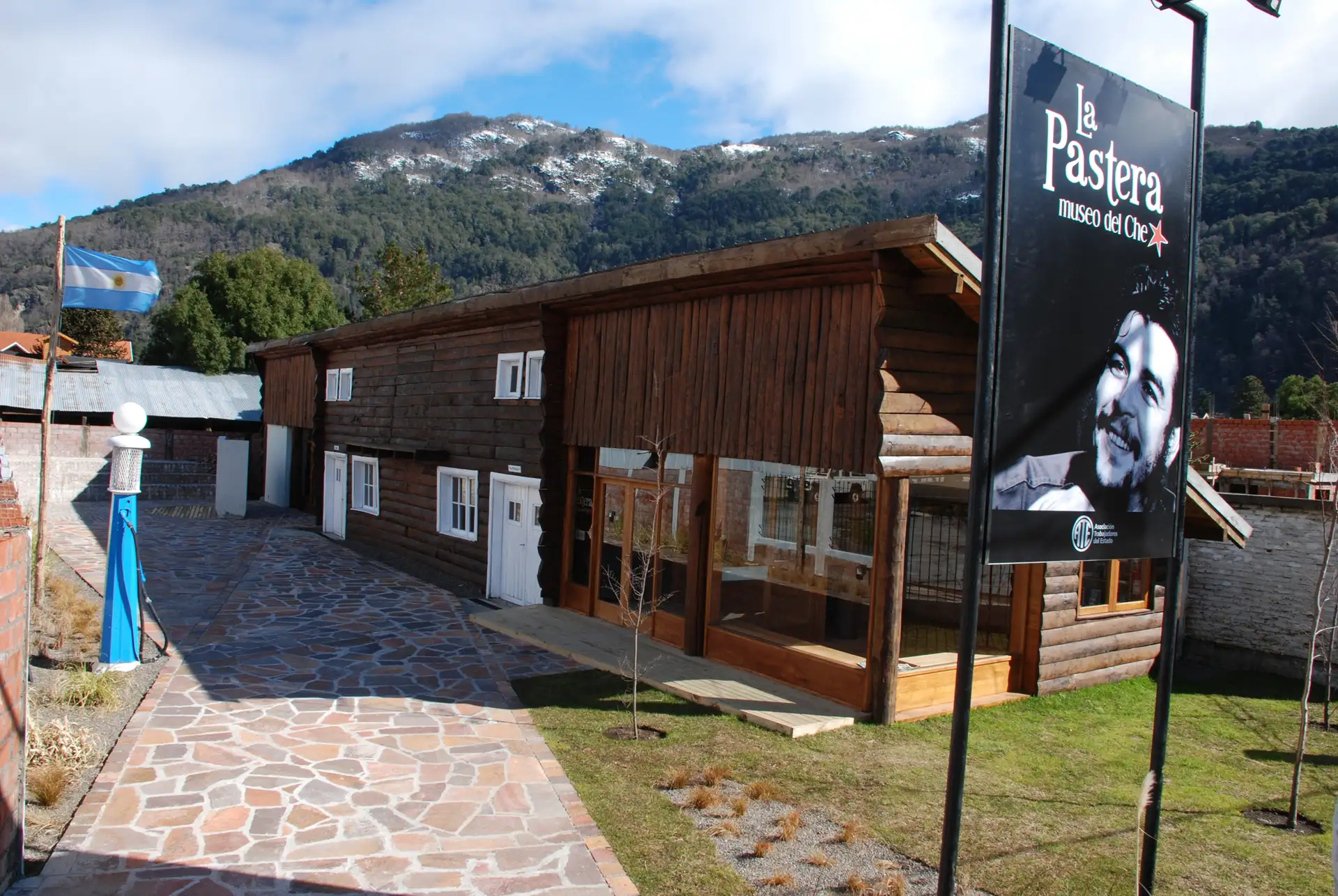
In the heart of Argentine Patagonia, the city of San Martín de los Andes is home to a site of unique historical and cultural importance: La Pastera, Che Guevara Museum. This space is not just a museum, but a living testament to the spirit of adventure and transformation that marked the 20th century. Located in the former fodder barn of Lanín National Park, the museum commemorates the passage of a young Ernesto Guevara and his friend Alberto Granado in 1952, a crucial stop on the legendary motorcycle journey that would inspire the world.
The building itself, a wooden structure declared of historical and cultural interest, was once a storage shed for fodder for the park’s animals. It was here that Guevara and Granado found shelter and work during their journey through southern Argentina. Their stay in San Martín de los Andes and their contact with the workers and the social reality of the region left a deep mark on the future revolutionary leader. La Pastera seeks precisely to capture and transmit that essence: the moment when the young adventurer began to forge his social conscience.
When visiting La Pastera, travelers are immersed in an atmosphere that combines history, photography, and memory. The main exhibition offers a visual and documentary tour of Guevara and Granado’s journey, using period photographs, maps of the route, and excerpts from the diaries they both wrote. Replicas of ‘La Poderosa,’ the Norton 500 motorcycle that transported them for thousands of kilometers, and other objects that evoke the precariousness and richness of their experience are on display. Beyond the figure of Che, the museum pays homage to the spirit of exploration and the desire to understand a continent in turmoil.
La Pastera is more than a collection of objects; it is an active cultural center that organizes events, talks, and temporary exhibitions. Promoted by the State Workers’ Association (ATE) and with the support of the local community, the museum has become a meeting point for those seeking a different perspective on Latin American history. It is a place for reflection, debate, and discovery, inviting visitors to connect with the Patagonian landscapes in a deeper way, understanding the human stories that have been woven into them. Far from mythification, the museum proposes a human and close look at one of the most iconic and controversial figures of modern history, in the very place that witnessed his transformation.