Posadas Waterfront
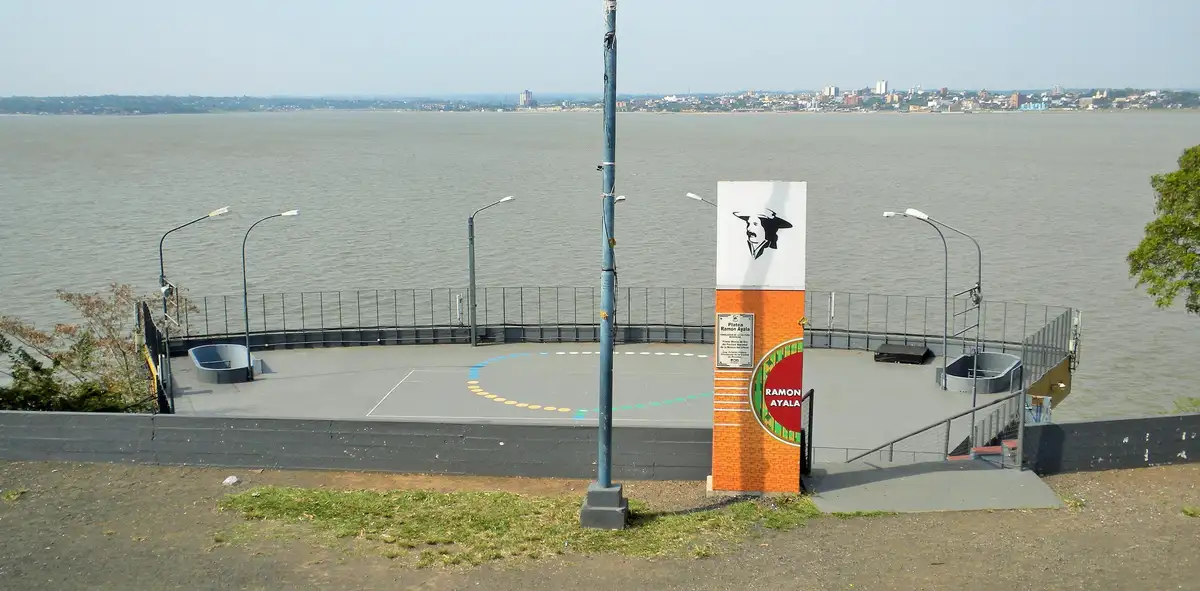
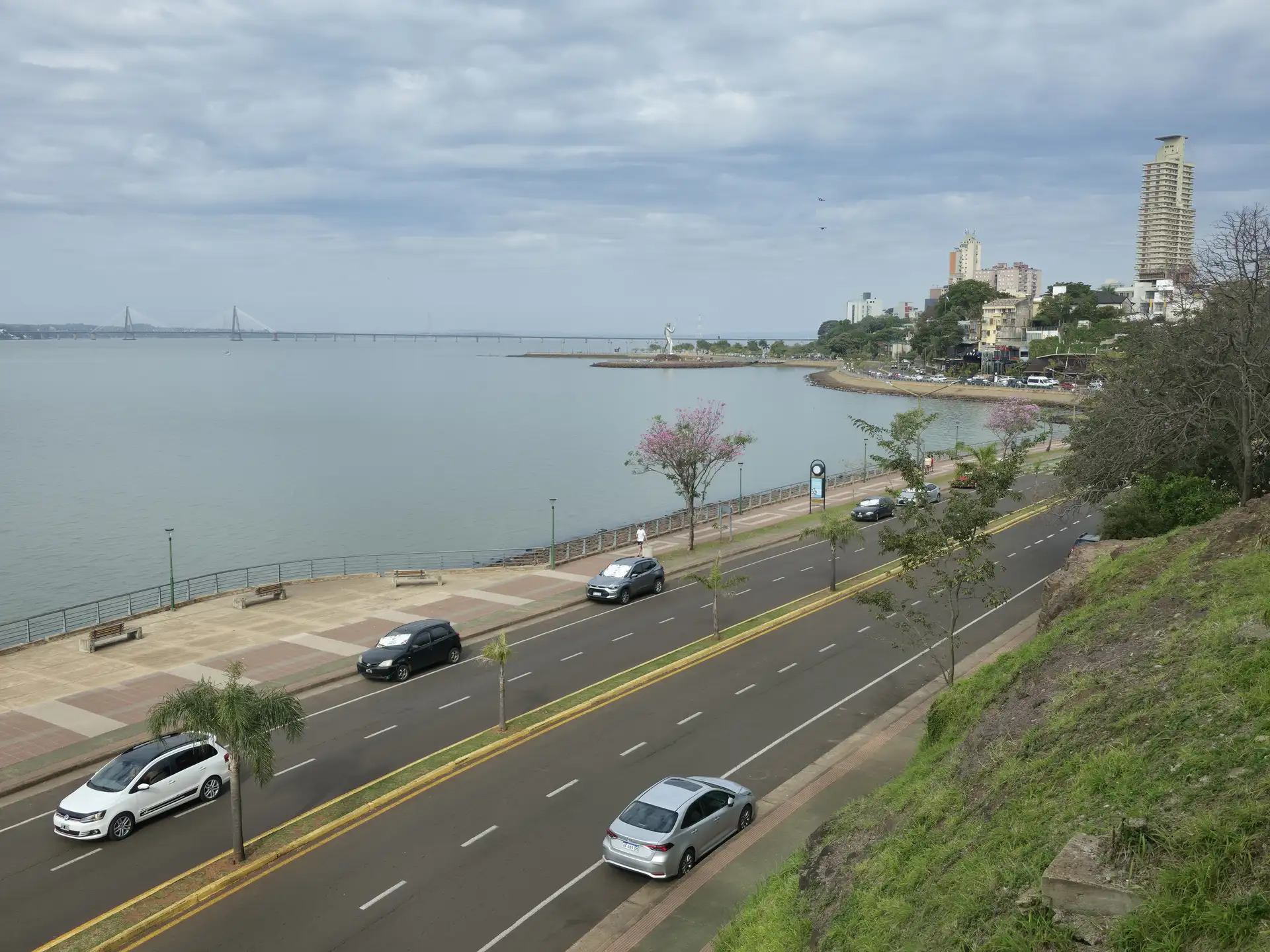
Posadas Waterfront is the main riverfront promenade in the capital of Misiones. It runs along the Paraná River and captures a key part of the city’s urban experience: walking with the water in view, cycling, stopping in resting areas, or simply using the waterfront as a meeting point. It is more than a scenic edge. It is a public space that structures everyday life and tourism in one of the most visible parts of Posadas.
From its more open stretches, the waterfront looks out not only over the Paraná but also toward the neighboring city of Encarnación, across the San Roque González de Santa Cruz international bridge. That setting gives it a distinctive cross-border dimension and helps explain why the waterfront appears so often in Posadas’ tourism image. Here, the river is not a barrier. It is part of the daily landscape and part of the local identity, with a very direct relationship between the city, the waterfront edge, and outdoor life.
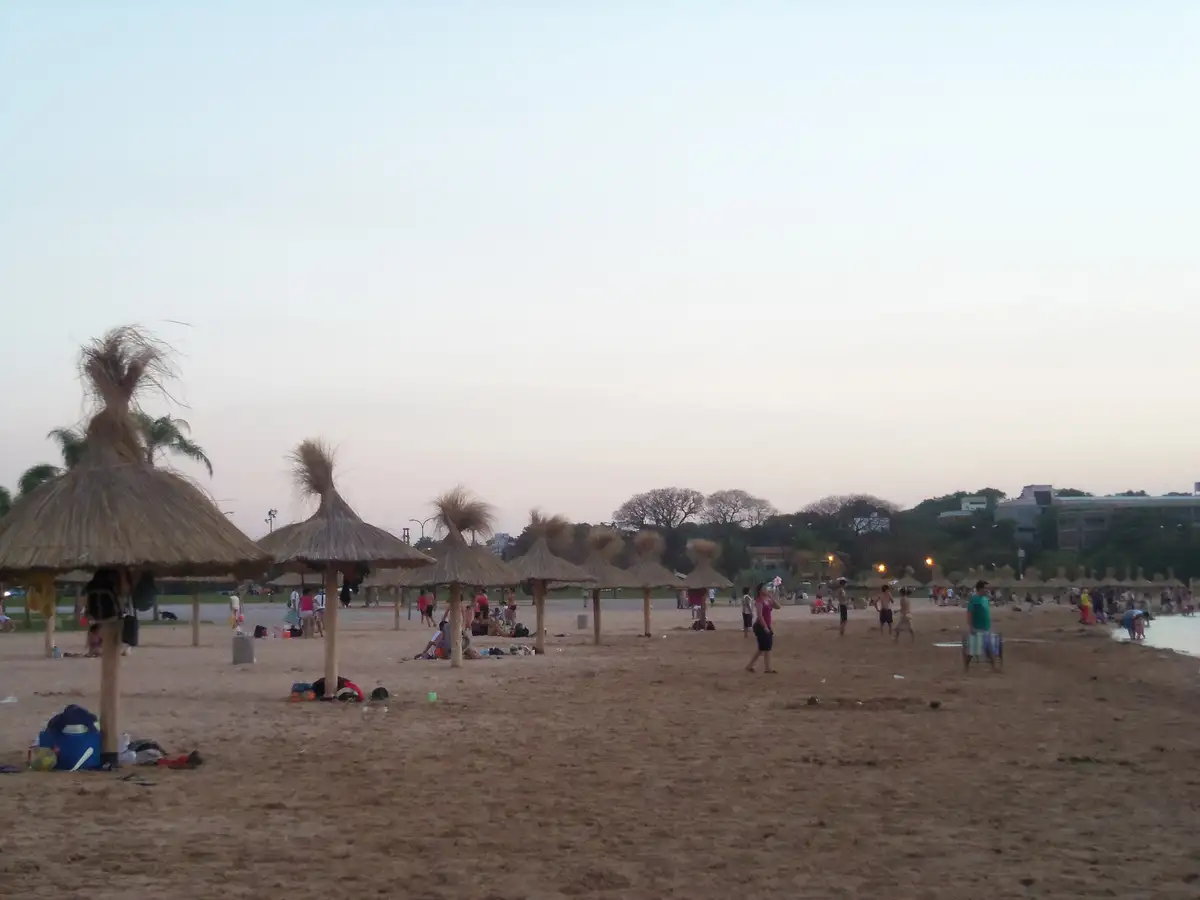
The Costa Sur area extends that logic with trails, bike lanes, and resting spaces that reinforce the recreational use of the riverfront. Official tourism communications present it as a place for leisure, nature, and recreation, and that translates into a very flexible experience: some people use it for exercise, others for an unhurried walk, and others as a starting point for exploring more of the waterfront. Together, the promenade works as a strip where movement and contemplation coexist without competing, with the river landscape and public space always in the foreground.
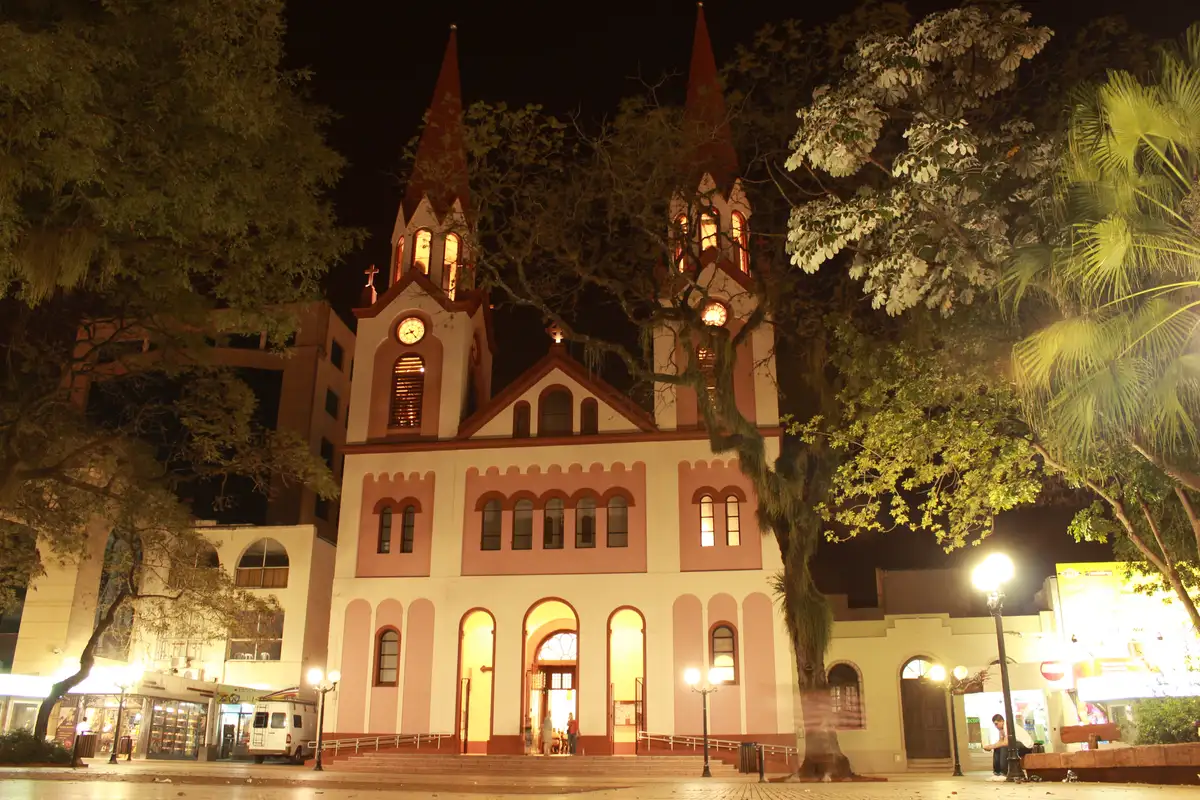
The scenic side is matched by an active agenda of food, performances, and cultural events. The Misiones tourism ministry highlights the waterfront as a place where urban life feels vibrant and where people naturally gather. That is visible both during busy periods and at sunset, when the river edge becomes one of the city’s most recognizable scenes. Around the promenade, historical references also appear, including the former railway station building and the Andrésito Guacurarí monument, which connect the riverfront circuit with the city’s and region’s memory.
The waterfront also plays a clear role in the city’s public agenda. Posadas’ municipal government organizes guided walks and uses the fourth section of the waterfront as a meeting point, with the Eco Bicycles post serving as a landmark on some routes. That confirms its function as a base for exploring nearby landmarks, not just as a destination in itself. This helps explain its appeal: the waterfront does not concentrate a single experience, but several overlapping layers of urban use, recreation, and tourism. For first-time visitors, walking it is a way to read Posadas from the river and to understand how the provincial capital turned its shoreline into one of its most shared and recognizable spaces.