Museo Casa de Fader
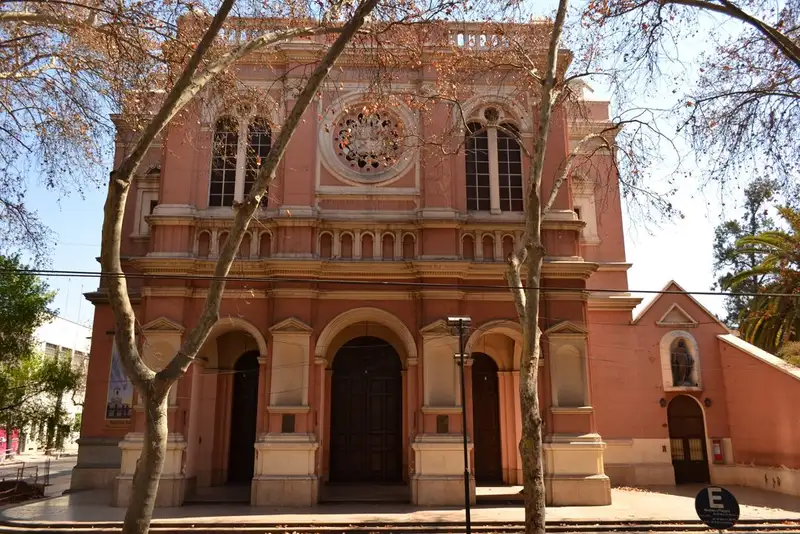
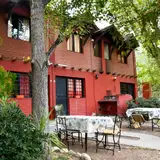
Located in Luján de Cuyo, the Museo Casa de Fader is a space that brings together Mendoza’s architectural history and the expression of the fine arts. The building serves as the home of the Museo Provincial de Bellas Artes e Institución de Arte Emiliano Guiñazú, an institution declared a Cultural Heritage site of the Province of Mendoza. The original structure is a manor house that belonged to Emilio Guiñazú, who acquired this 95-hectare estate in 1889; it was later donated by Narcisa Araujo de Guiñazú to be converted into a museum.
Architectural and Artistic Heritage
What sets this place apart is the coexistence of its architectural value and its artistic content. The museum’s name pays tribute to the artist Fernando Fader, whose mark is visible directly in the architecture: the painter created the murals that decorate the entrance hall and the indoor pool area. This presence of Fader’s original work makes the house a living testament to his style. Beyond these permanent elements, the museum holds collections and rotating exhibitions featuring artists from Mendoza and across the country, alongside reproductions of key works from universal art history.
The building and its surroundings were officially recognized as Provincial Heritage Assets in 1998, consolidating their importance to regional identity. The property extends beyond the walls of the manor house into a museum-park design. This concept takes shape in a geometric arrangement of cypress trees that define open-air rooms conceived specifically for the display of sculpture, allowing art to interact with the natural and planted surroundings.
The Park and Gallery Circuit
A visit allows exploration of both the interior spaces and the outdoor areas designed for contemplation. Walking through the gardens, one can observe how the arrangement of the vegetation creates an exhibition circuit where sculptural pieces occupy strategic positions in the shade of the trees. This park-museum design aims to make the visit an integrated experience of nature and culture.
Indoors, attention turns to the richness of the painting collections and the significance of the original murals. The space also functions as an active forum for art, where the arrangement of the works seeks to disseminate the region’s historical and artistic heritage. The manor house, with its rooms and gardens, offers a context that goes beyond the simple display of objects, placing the visitor in an environment that preserves the memory of the Mendoza estates of the late nineteenth century.