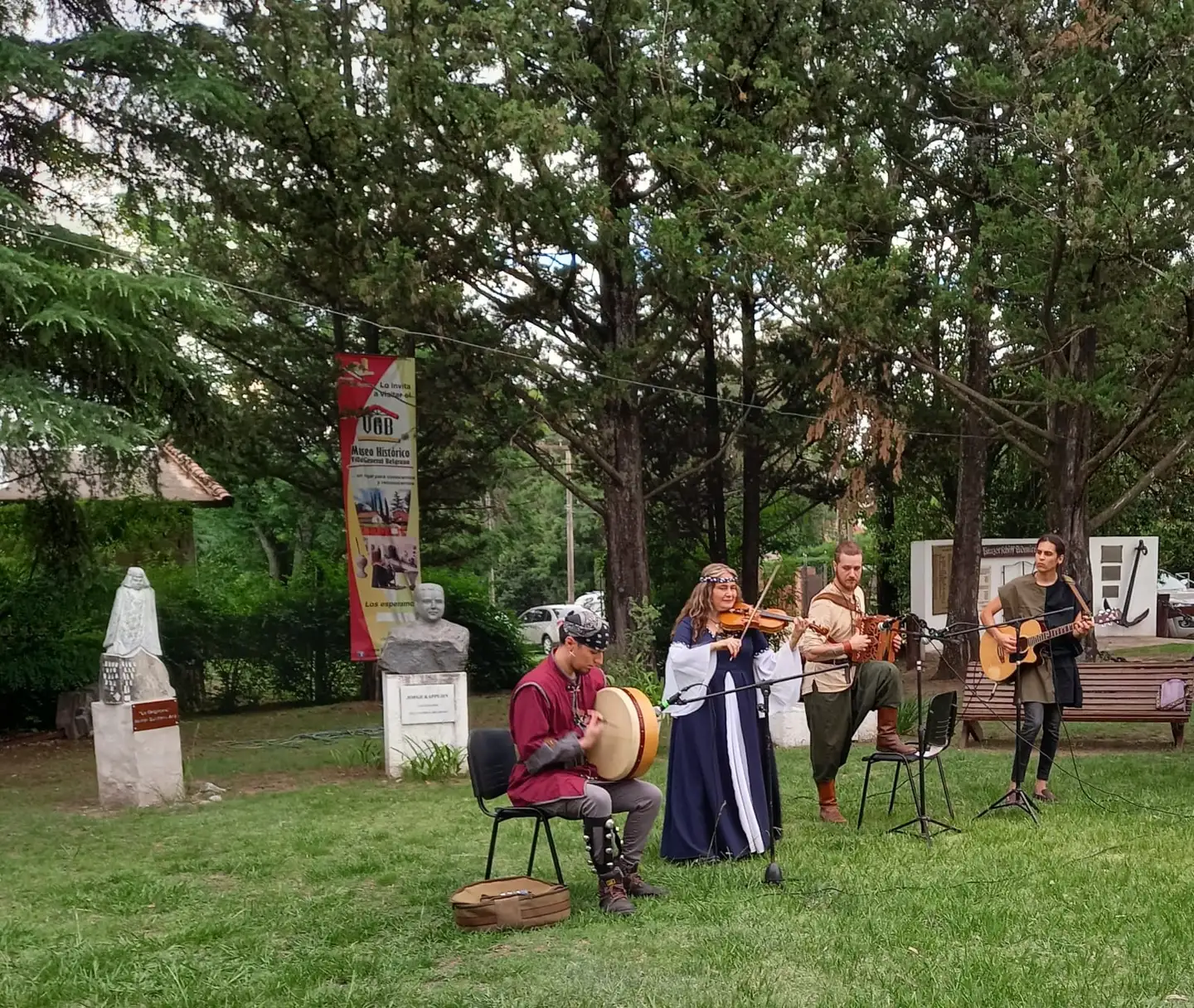
Villa General Belgrano Historical Museum and Cultural Center
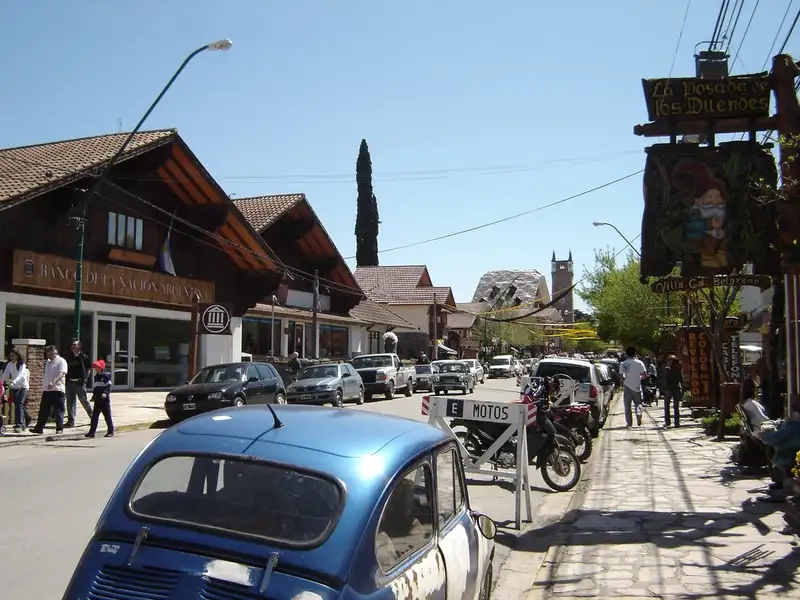
The Villa General Belgrano Historical Museum and Cultural Center serves as a meeting point with the collective memory of the town. Located in the heart of the Villa, this space is not merely an exhibition of objects but a sustained effort to safeguard the natural and cultural identity and heritage of the region. Its existence is deeply rooted in community will, born from the residents’ need to consolidate a space of their own that reflects their shared history.
Community Roots and Architecture with Memory
The origin of the place dates back to the mid-1940s. At that time, a group of residents — made up of both criollo and Central European families — organized with the primary goal of building a chapel to serve as a spiritual and social center. This project, driven by the land donation from Don Enrique Ottens and the manual labor of residents with construction trades, gave rise to what we now know as La Capillita. This building not only fulfilled its religious function but ended up being recognized as a Cultural Historic Monument.
The museum occupies a space that has gone through complex stages, from periods of abandonment to active recovery processes by self-organized residents and the Cooperativa de Aguas y Servicios Públicos. This struggle to preserve the heritage asset is a fundamental part of what visitors encounter today. The current institution, which began its activities as a museum in May 2013, operates under the management of a foundation that seeks to transform this legacy into a space for dialogue and cultural development.
A Journey Through Local Identity
Visiting the museum means immersing oneself in the physical and social transformations of Villa General Belgrano. Through its collection, one can observe the evolution of the town: from the old postal station of 1928 or the Hagelberg guesthouse of 1932, to more recent milestones such as the inauguration of the main plaza in the 1950s. The tour allows visitors to connect with the figures who shaped the local destiny, such as the first teachers, the pioneers of the settlements, and the protagonists of traditional festivities.
The museum’s content also highlights popular culture, drawing attention to elements tied to the emblematic Fiesta de la Cerveza. The presence of photographic records showing queens from different decades, alongside images of traditional costumes from the Central European community, offers a window into the customs that define the character of the destination. In this way, the museum does not function as a static repository but as a hub connecting the past of immigrants and founders with the current reality of a Villa that keeps its cultural heritage alive.