Welsh Chapels of Gaiman
The Welsh chapels in the lower valley of the Chubut River represent one of the deepest legacies of Welsh colonization in Patagonia. Beyond their religious function for the Protestant congregations that settled in the area, these temples historically served as centers of social and community cohesion. In a context of great challenges for the first settlers, these spaces enabled gathering and the organization of shared interests, consolidating the identity of a community seeking stability in new lands.
Architecture and memory of the valley
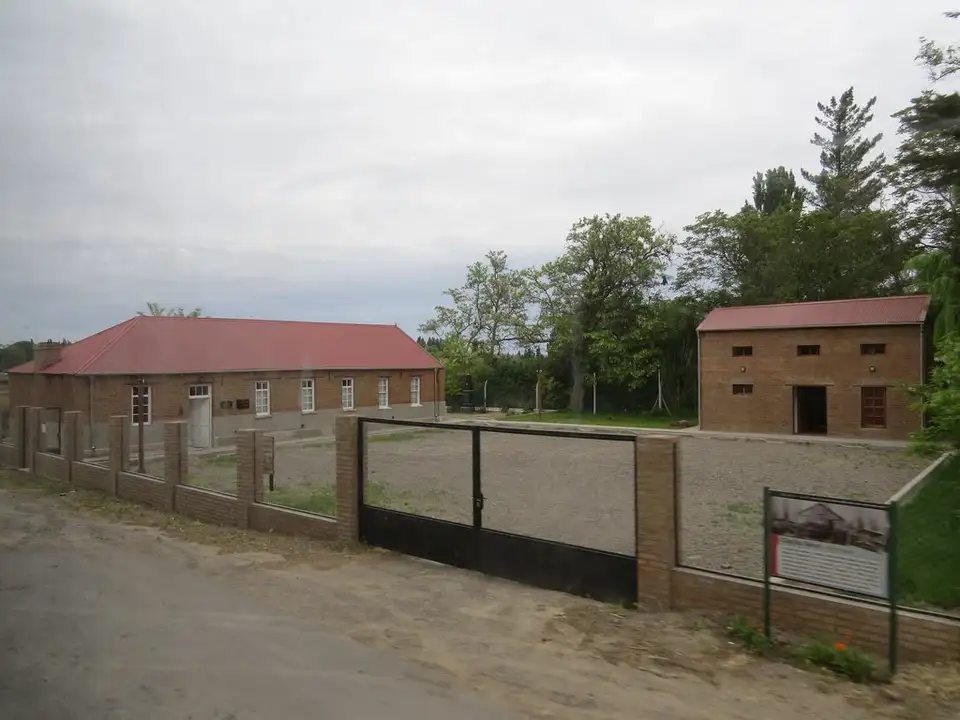
The group of temples presents diverse architectural characteristics that reflect different stages of colonization. Within the urban boundaries of Gaiman stands Capilla Bethel, a building from 1913 surrounded by poplar trees, notable for being the largest structure in the group. Its construction took place alongside an earlier building from 1880, evidencing the community’s growth. Capilla Bryn Crwn, erected around 1900, emerged as a collective undertaking on the lands of the Bryn Crwn area, maintaining a unified character that was pioneering in the valley.
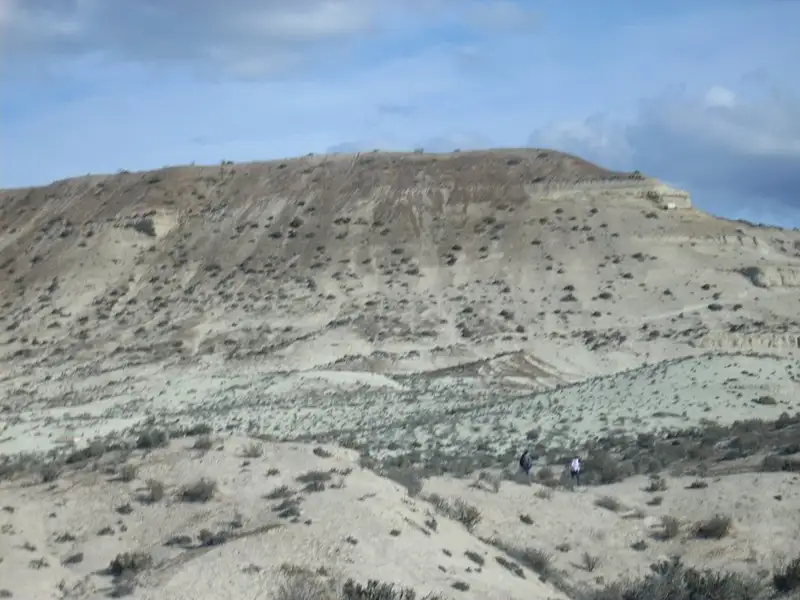
In more rural areas, these buildings are integrated into the landscape of farms and cliffs. Capilla de Seion, located in the Bryn Gwyn settlement, is a notable example of this heritage; its current structure, built of fired brick with a hipped roof, was raised in 1888 after an earlier construction was lost to a storm. Buildings of this kind, some of which hold the protection of National Historic Monument status, are a fundamental part of the region’s cultural landscape.
The route between temples and traditions
Traveling among these chapels allows one to understand the settlement logic of the colonists, who moved inland from the coast toward the valley in search of water resources. The route typically connects these historic points with the surrounding farms and the cliffs along the Chubut River, combining visits to the temples with observation of the area’s traditional agricultural activity.
This historical itinerary is complemented by the social culture that developed around worship. Following religious ceremonies, the practice of taking tea became established as a social and participatory activity — an element that today defines the identity of Gaiman. The presence of these chapels, alongside the tradition of the teahouses, forms a cultural fabric in which the memory of Welsh descendants remains tied to the land and its roots.