La Viruta Tango Ar
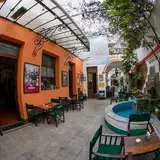
Located in the Palermo neighborhood, specifically on Armenia street, La Viruta Tango Ar has established itself as a fundamental gathering point for tango culture in Buenos Aires. Since its founding by Luis Solanas in 1990, this space has functioned not only as an academy but as a hub where tradition and social practice converge. Its significance lies in having sustained a consistent offering for more than thirty years, making it one of the largest dance schools in the city.
Tradition and teaching
The space is distinguished by its pedagogical approach, which allows people with different levels of knowledge to integrate. The layout of the venue is designed so that learning serves as the starting point for the social experience. Through its class cycles, students prepare to participate in milongas, generating a constant flow of movement and learning within the same premises. This school-milonga dynamic allows both those just beginning to take their first steps and more experienced dancers to share the same environment.
The pulse of the milonga
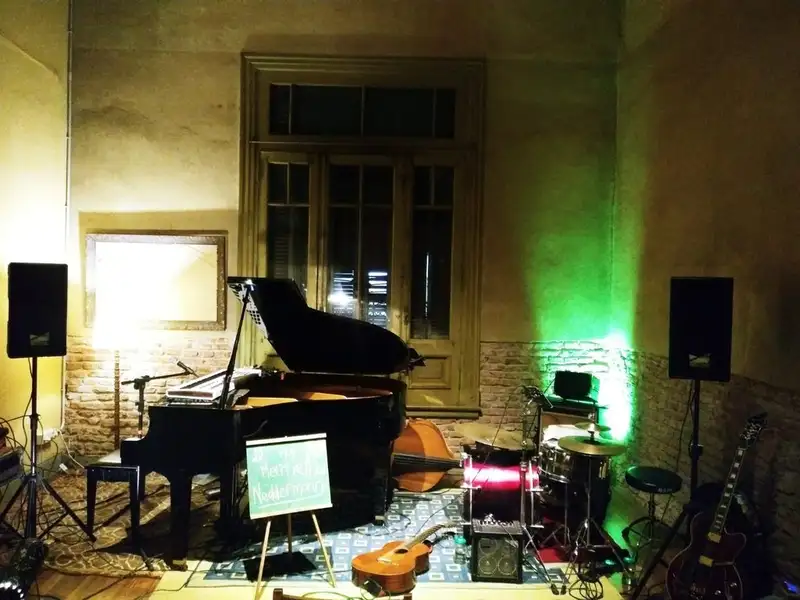
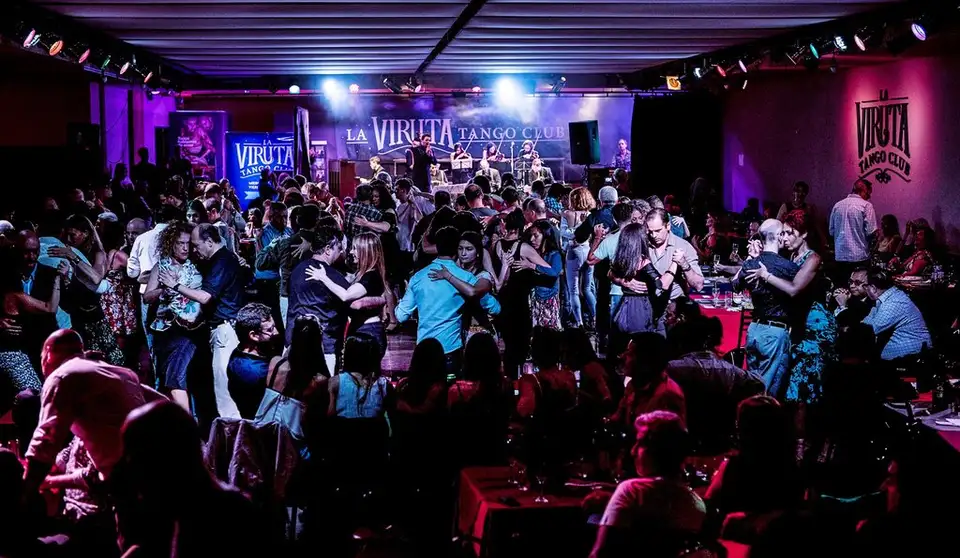
The experience at La Viruta varies depending on the day of the week, offering different facets of the dance. On Mondays, for example, a cycle unfolds with a more relaxed and social atmosphere, suited to an early evening out that draws a mixed audience of locals and international visitors. At other points during the week, such as Saturdays, the atmosphere shifts with the presence of live orchestras and shows that raise the intensity of the night. This alternation between the academic and the festive is what defines its identity.
A gathering point in Palermo
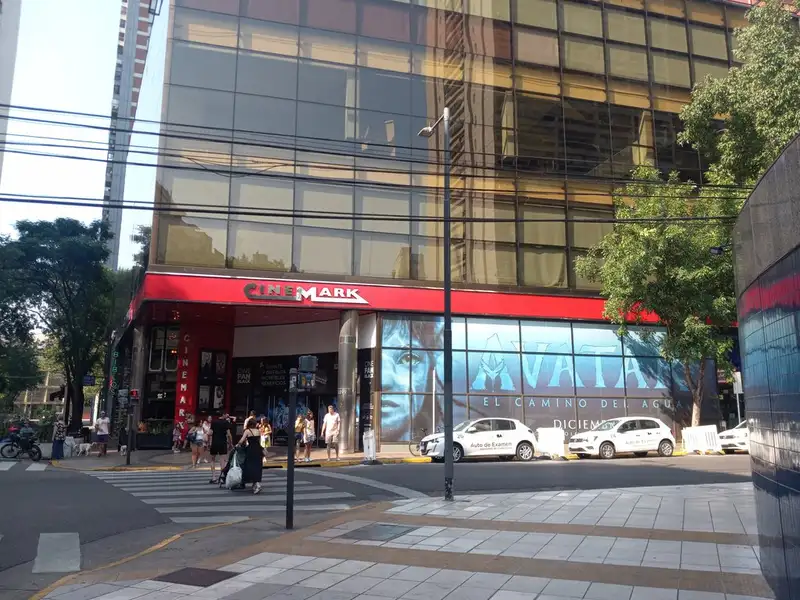
Beyond dance technique, La Viruta functions as a cultural node within the urban fabric of Palermo. Situated in an area with high foot traffic, the venue acts as a bridge between the curiosity of tourists and the everyday life of Buenos Aires residents. Its ability to sustain a program that ranges from classes to musical shows positions it as a space where tango is lived organically, removed from purely commercial structures, prioritizing social interaction and the preservation of the milonguero tradition.