Ecoparque de Buenos Aires
Located in the heart of Palermo, on Avenida Sarmiento, the Ecoparque de Buenos Aires represents a profound transformation of the urban landscape. What for decades operated as the Buenos Aires Zoo has left behind traditional exhibition structures to become a public space oriented toward conservation and environmental awareness. Across nearly 17 hectares, this green lung functions as an ecosystem recovery and education center, integrating into the fabric of the city as a biodiversity refuge that prioritizes animal welfare and the preservation of native species.
A legacy of transformation and conservation
The historical value of the site lies precisely in its metamorphosis. The former grounds, characterized by cages and collections of exotic animals, have been repurposed through a habitat recovery process. Today, the focus is on species native to the region, allowing visitors to connect with wildlife that forms part of Argentina’s natural heritage yet often goes unnoticed in the urban environment. This shift in paradigm seeks to foster a more respectful and educational relationship with nature, moving away from the logic of exhibition and toward that of protection.
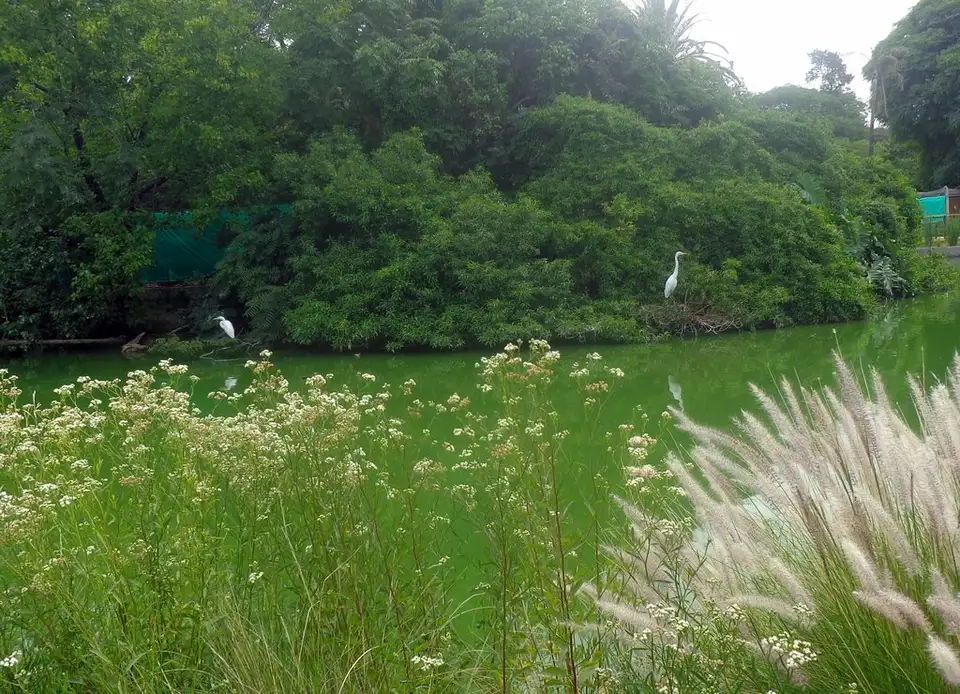
The route through the Ecoparque unfolds mainly along pedestrian paths that cross distinct microenvironments. The visit allows close observation of animal training and welfare practices, as well as the presence of local species in settings that replicate their natural habitats. Among the highlights of the itinerary are Lago Darwin, a central space for the site’s ecosystem, and dedicated trails for observing native birds, pollinators, and butterflies. The layout of the grounds invites an unhurried walk, where observation of features such as the Paseo del Cóndor Andino or oceanic stations complements the learning experience.
Integration within the Palermo surroundings
The Ecoparque does not function as an isolated element; rather, it connects with other green landmarks in the area. Its strategic location links it directly to the Jardín Botánico and the Rosedal, forming part of a biological and recreational corridor essential to the residents of the city. This proximity makes the grounds a key piece in Palermo’s network of public spaces, offering a leisure alternative that combines the neighborhood’s history with new urban sustainability demands.
The presence of features such as the Plaza Italia viewpoint or activities focused on knowledge of exotic and native species reinforces its educational character. Walking its paths, one perceives a space designed for mindful interaction, where the infrastructure aims to minimize environmental impact and maximize the visibility of local biological processes, consolidating the Ecoparque as a benchmark for environmental management in Buenos Aires.