The Vines of Mendoza
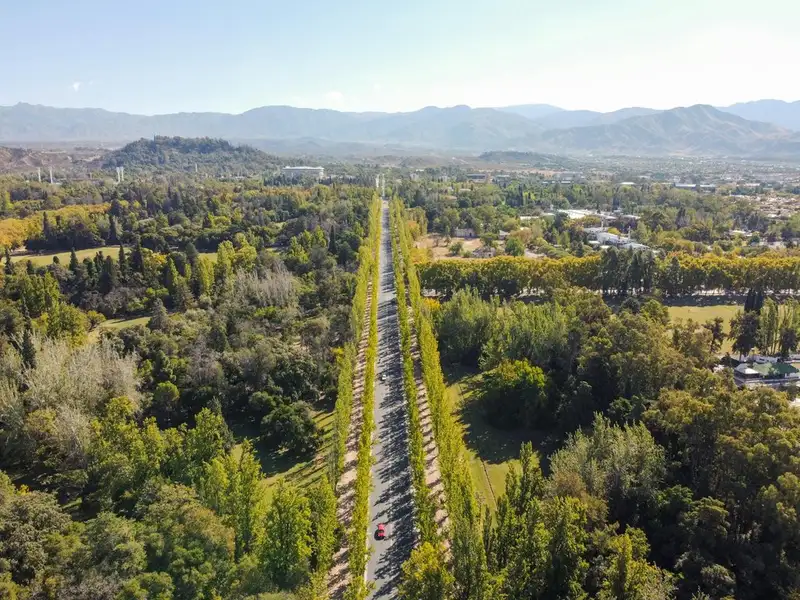
Located in Los Chacayes, within the Tunuyán department, The Vines of Mendoza presents itself as a space where winemaking and high-end hospitality converge. Situated in a strategic area of the Valle de Uco, the complex functions not merely as a stopover but as an enclave dedicated to wine culture, with a concept that allows direct engagement with the production process and the Mendocino territory.
The Setting and Winemaking Identity
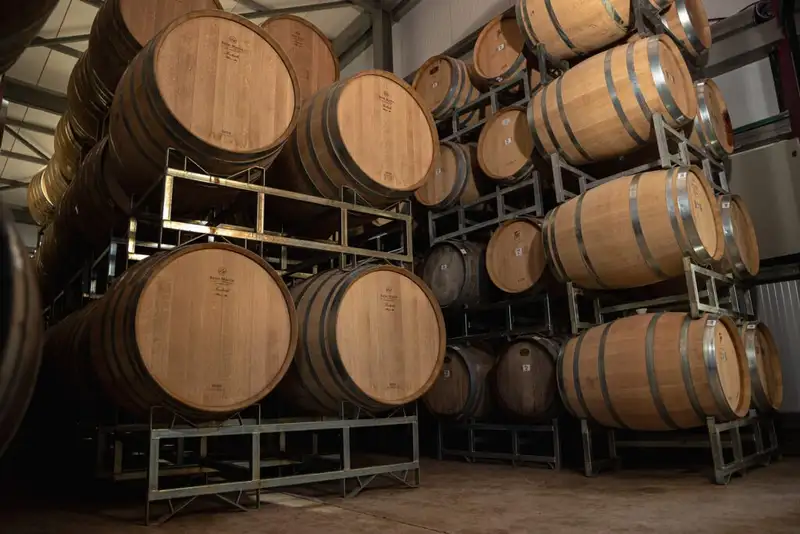
The landscape is defined by the presence of the Andes and the expanse of vineyards surrounding the facilities. The identity of the place is built on the foundation of its own production, offering a structure in which the concept of private vineyard ownership is central. This approach allows the experience to go beyond the purely contemplative, integrating technical elements of viticulture — such as grape variety selection and winemaking techniques — within the context of a global community of producers.
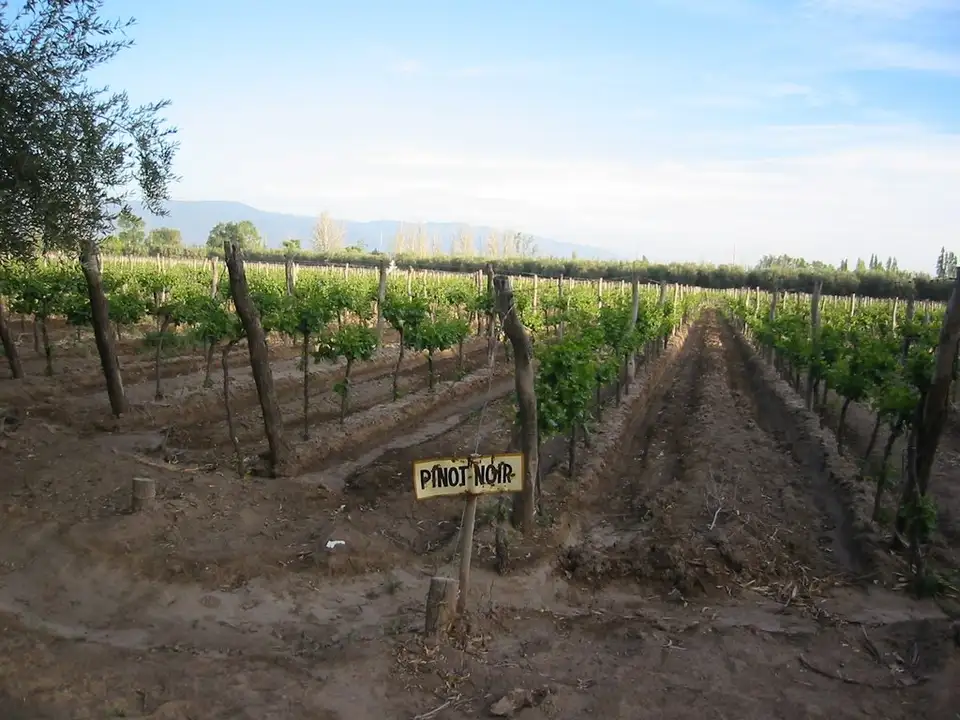
The relationship with Mendoza’s terroir is the axis around which the entire complex is organized. The altitude and climatic conditions particular to this part of the Valle de Uco are reflected in the quality of the crops, where varieties such as Pinot Noir find a distinctive expression in these soils. The design of the residences seeks to maintain coherence with this natural setting, combining materials that evoke the rustic with a contemporary architecture that does not interrupt the views toward the mountains.
The Experience of the Territory
A visit to the complex unfolds through its common and residential areas, where each unit is designed to offer panoramic views of the vineyards. The residences are designed with a logic of refinement that avoids unnecessary ostentation, prioritizing contact with the landscape and the simplicity of the mountain environment. The design aims for the resident or visitor to feel part of the productive ecosystem.
The character of the place lies in its capacity to integrate social life with agricultural work. As a space that encourages the creation of a legacy through wine, activities revolve around sharing and understanding the raw material. It is not simply a matter of observing the landscape, but of understanding the logic of the vineyards that compose it, making use of the infrastructure that allows close interaction with the land and its seasonal cycles.