El Nihuil Dam
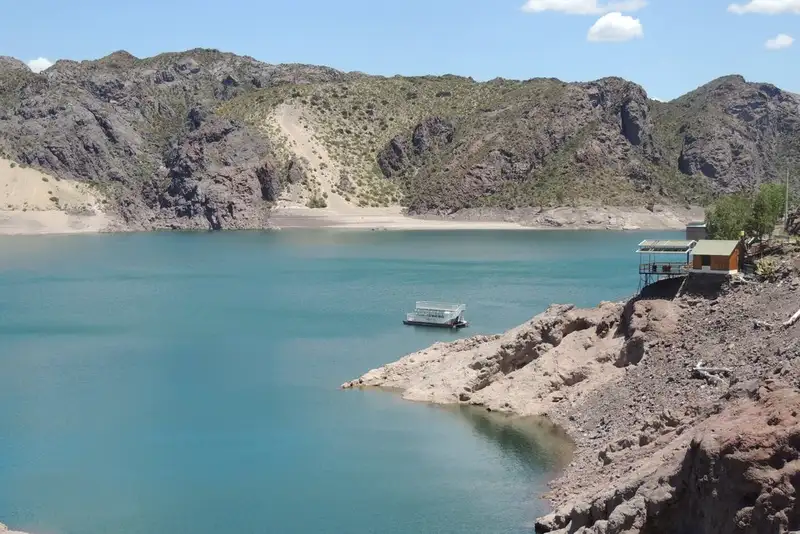
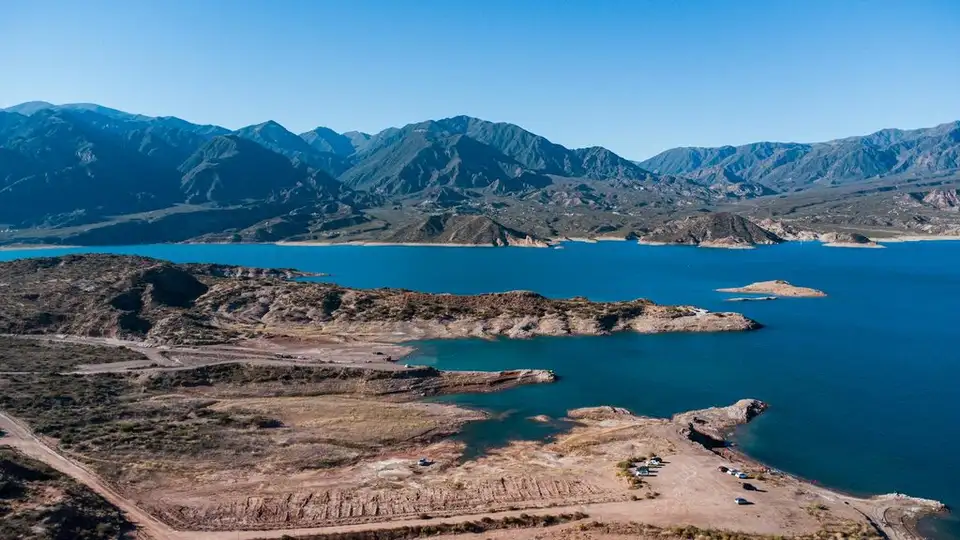
El Nihuil Dam stands as one of the most significant recreational activity hubs in southern Mendoza. Located in the department of San Rafael, this reservoir functions not only as a key piece of hydraulic infrastructure for the region, but also as a gathering point for those seeking water-based and outdoor activities. Its importance within the Cuyo tourism circuit lies in its capacity to host a diversified offer that combines rest with the intensity of adventure sports.
Activity dynamics and natural surroundings
The character of the place is defined by its technical and physical versatility. The body of water supports the development of aquatic and wind disciplines, taking advantage of the area’s particular climatic conditions. For those drawn to exploration, the surroundings offer suitable settings for fishing and motorized activities. The terrain layout also facilitates enduro routes and 4x4 vehicle excursions, integrating the dam’s landscape with the surrounding areas of the province.
The experience at El Nihuil moves between the calm of the tourist village and the energy of its sports. As a reference point for adventure tourism, activity along its shores is typically marked by the presence of athletes making use of the currents and wind, lending it a dynamic identity distinct from other, more static reservoirs in the region.
Connection with the territory of San Rafael
This enclave is part of a system of significant bodies of water in southern Mendoza, alongside other points such as Los Reyunos and Valle Grande. While other areas of San Rafael focus on winery tourism or urban historical routes, El Nihuil contributes the dimension of a tourist village dedicated to sport and nature. Its integration with the rest of the destination allows for an itinerary that spans from wine culture to the exploration of semi-arid and aquatic landscapes.
The presence of this dam consolidates San Rafael as a hub capable of sustaining large seasonal demand, combining service infrastructure with the natural potential of the reservoir. The relationship between the village and its water environment is what allows the place to function simultaneously as a node for rest and action.