Bodega Trapiche
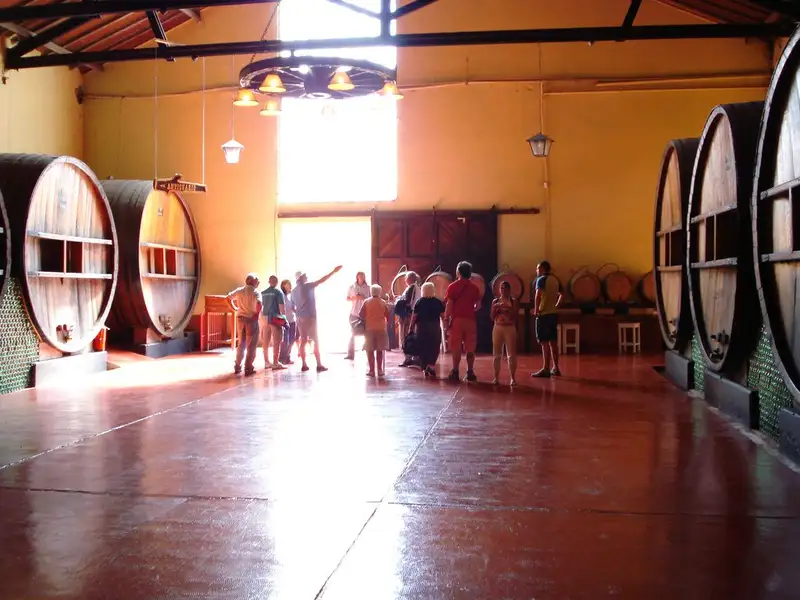
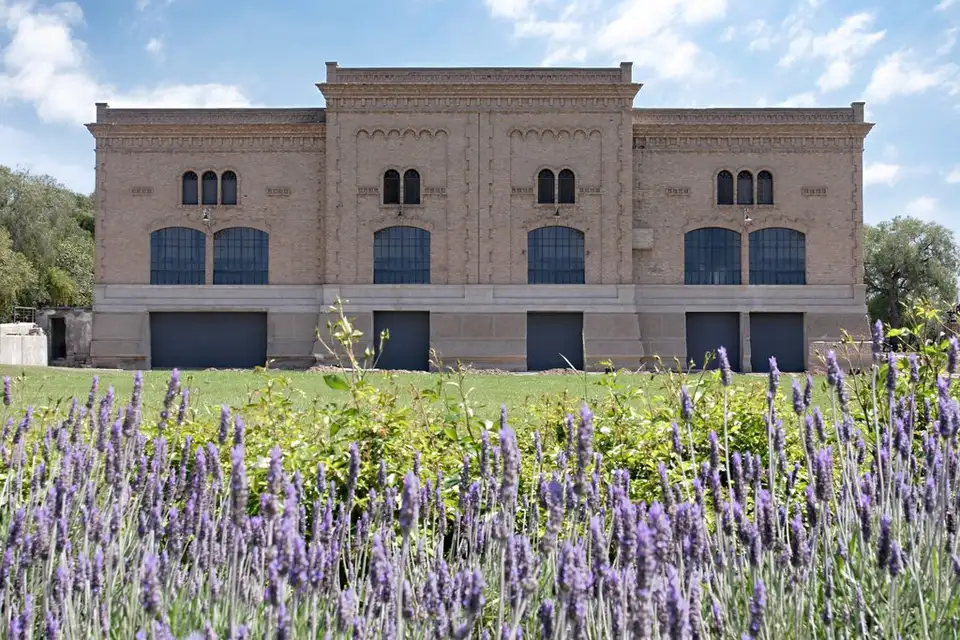
Located in the heart of the Maipú department, Bodega Trapiche is one of the fundamental pillars of Mendoza’s winemaking identity. Its significance lies not only in its scale of production, but in its ability to translate the particularities of different soils and altitudes into a range that stretches from the high-altitude terroirs of Mendoza to the freshness of Patagonia. The winery serves as a meeting point between the region’s historical tradition and a technical approach oriented towards highlighting the diversity of micro-terroirs.
The language of terroir and its labels
The winery’s offering is structured around a portfolio of labels that allow for an understanding of the complexity of Mendoza’s soils. At the upper tiers of its hierarchy, there are lines dedicated to prestige and the high end, such as Iscay, which seeks balance through complex blends, and Manos, a more artisanal and individual expression. The Terroir series stands out in particular for its focus on the identity of specific estates, demonstrating how the character of each parcel directly influences the final result in the glass.
At a level of greater structure and elegance, the Gran Medalla and Medalla lines represent historical benchmarks of Mendoza’s Primera Zona. These labels are designed for extended cellaring, reflecting the capacity of local soils to produce wines with body and persistence. This variety of profiles makes a visit to the winery an exploration of how the Malbec grape adapts to different geographical conditions.
Winemaking identity in Maipú
Trapiche’s presence on the global map — reaching more than 80 countries — consolidates Maipú as a central node of export and quality. The winery not only produces wine, but acts as a repository of the history of Argentine viticulture, maintaining a constant connection with the physical characteristics of its surroundings. The work with flagship varieties, particularly Malbec, allows one to observe the versatility of the grape across different climatic and edaphic contexts.
A survey of its range invites recognition of the importance of soil diversity. By integrating concepts ranging from Patagonian freshness to the intensity of high-altitude zones, the winery offers a comprehensive view of the country’s winemaking potential, positioning itself as a technical and cultural reference within Mendoza’s productive landscape.