Tramway Histórico de Buenos Aires
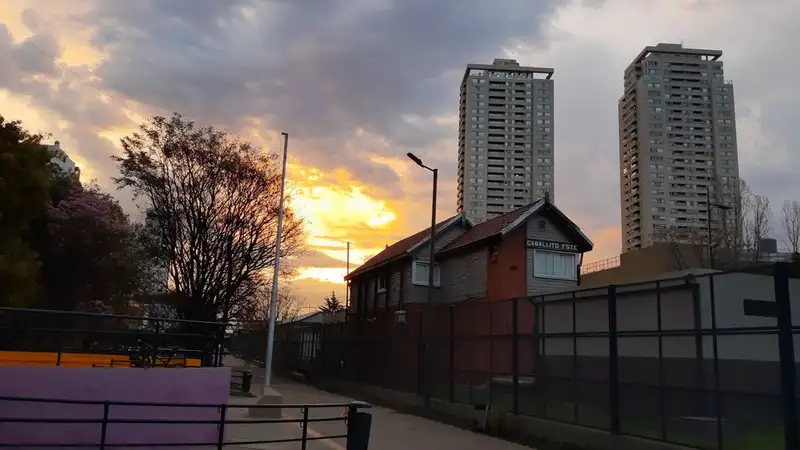
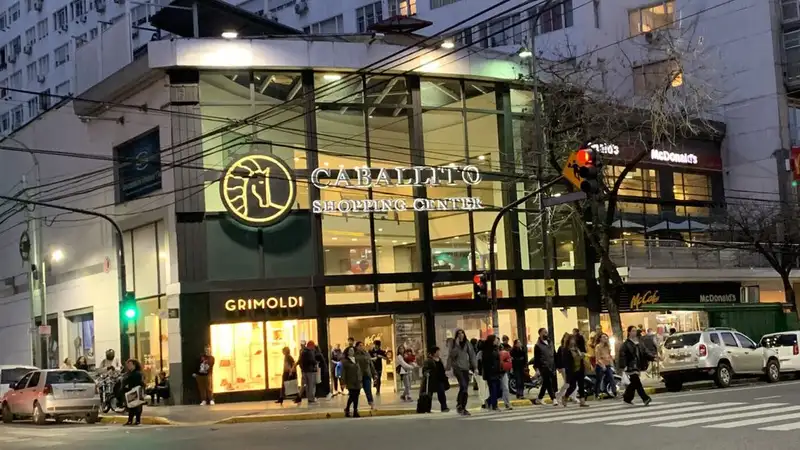
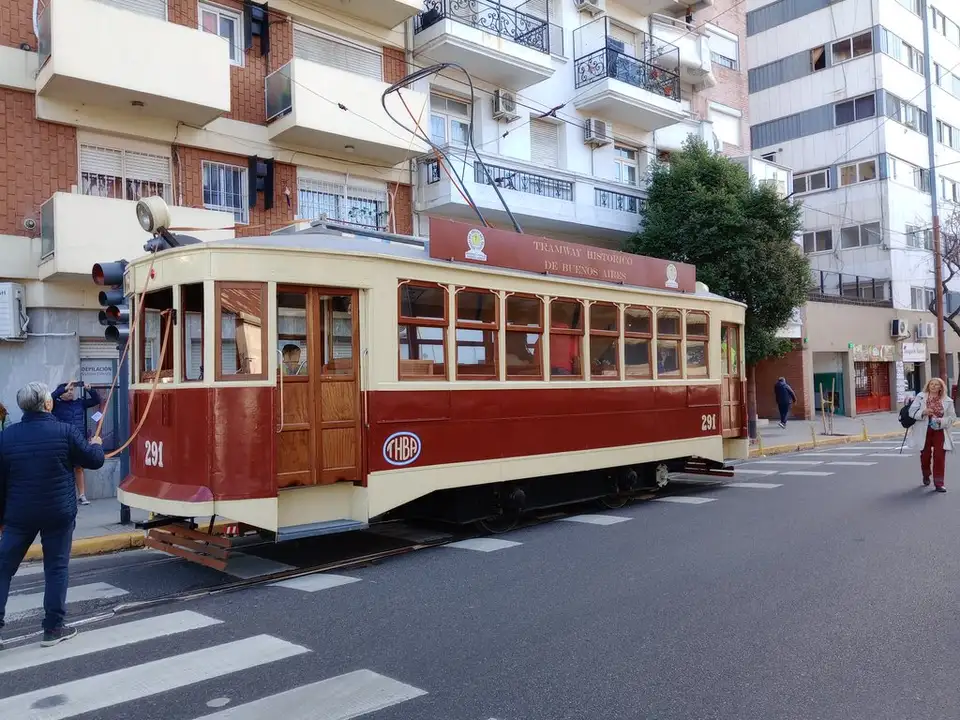
In the heart of the Caballito neighborhood, near the border with Parque Chacabuco, a fragment of Buenos Aires’ urban memory unfolds: the Tramway Histórico de Buenos Aires. More than a simple means of transport, this circuit functions as a museum on wheels that allows riders to experience the scale and rhythm of a city that no longer exists, but whose traces remain in the tracks of this picturesque route. The journey is rooted in what was historically known as the English neighborhood of the area, weaving together railway heritage with the everyday landscape of one of the capital’s most emblematic barrios.
Heritage on Rails
The existence of this circuit is the result of the efforts of the Asociación Amigos del Tranvía (AAT), an organization that has worked since the mid-1970s on the recovery and valorization of this system. The project aims to rescue the importance that the tram held for Buenos Aires life for more than half a century, connecting neighborhoods and facilitating the movement of workers, students, and families. The current fleet comprises thirteen units that have undergone restoration processes, allowing the cars to recover their original technical and aesthetic identity.
The system operates on a network of approximately two kilometers in length, maintaining the electrification required to run its units. This preservation effort protects not only mechanical parts and period furnishings, but also keeps alive the public transport culture that defined the expansion of Buenos Aires from the late 19th century through the mid-20th century.
The Route Through Caballito
The journey unfolds primarily within the area served by the historic route in Caballito. As the tram moves through the streets, visitors can observe how the railway infrastructure interweaves with the current urban fabric, offering a different perspective on the neighborhood’s street grid. The pace is unhurried, designed to allow close observation of the details of the cars and the landscape they pass through.
The experience centers on observing the technical and cultural characteristics of each car. Each trip is an encounter with the history of urban mobility, where the sound of the tracks and the aesthetics of the restored coaches act as bridges to the early decades of the last century. The circuit is not meant to be a rapid transit route, but an opportunity to rediscover neighborhood identity through a system that was fundamental to the social cohesion of the city.