Plaza Holanda
Located in the heart of Palermo, within the extensive network of green spaces that make up the Bosques de Buenos Aires, Plaza Holanda serves as a calm, natural meeting point. This sector is not an isolated space — it has historically been linked to the layout of what is now known as El Rosedal, sharing a design logic oriented toward landscape enjoyment and contact with nature in the middle of the city.
Landscape and distinctive features
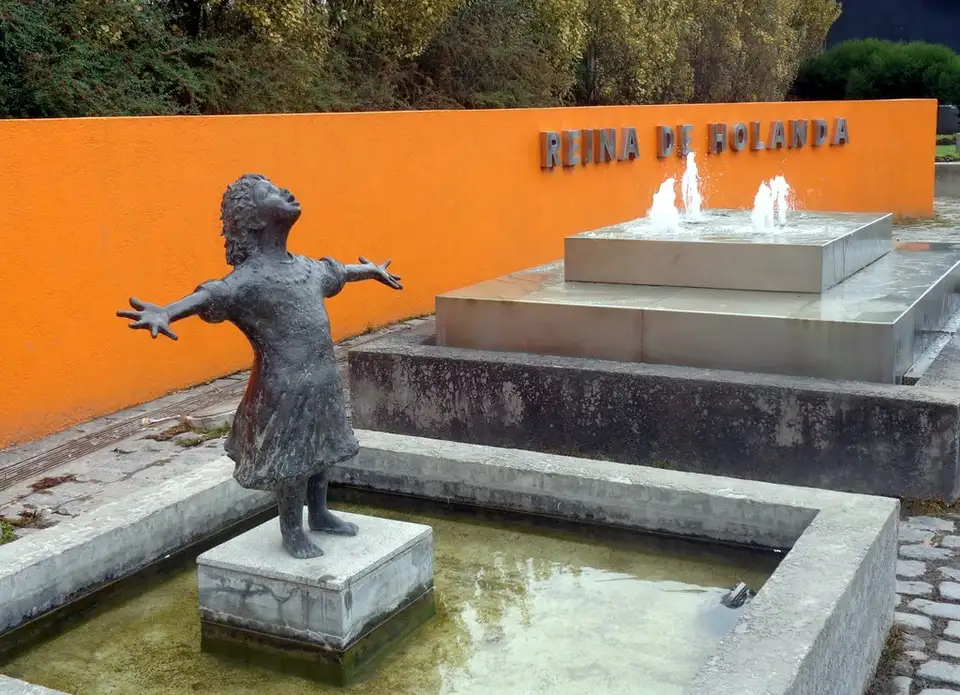
The plaza is defined by its landscaped composition, where green areas, pathways, and a small lake predominate, adding dynamism to the surroundings. Among its most notable features are various statues and monuments that give it a particular character. Prominent bronze sculptural pieces include ‘Tigresa portando un pavo real para sus cachorros’ and ‘El león de Nubia y su presa’. These works are replicas of original sculptures by French artist Auguste Nicholas Cain, created in the late nineteenth century, which can be found in emblematic gardens in Paris such as the Tuileries and the Jardin du Luxembourg.
This collection of physical elements transforms a visit into a visual journey through classical art history adapted to the Buenos Aires setting. The presence of these figures, together with the vegetation and water, defines an atmosphere that steps away from the surrounding urban pace to offer a space for contemplation.
Historical and territorial context
The land on which the plaza sits has deep roots in the history of Buenos Aires. Originally, these grounds formed part of the Bañado de Palermo, an area that belonged to Juan Manuel de Rosas before being confiscated following the Battle of Caseros in 1852. Over the following decades, the territory was transformed through urban interventions to create the Parque Tres de Febrero, incorporating Plaza Holanda into a system of parks designed for public recreation.
The plaza connects directly to the identity of Palermo, a neighbourhood divided into districts with their own distinct characteristics. While areas such as Palermo Chico are associated with a more stately, residential architecture, the Bosques zone — where this plaza sits — functions as the essential green lung for the community, accommodating activities such as walking, cycling, or simply resting on its grass areas.