Parque Rivadavia
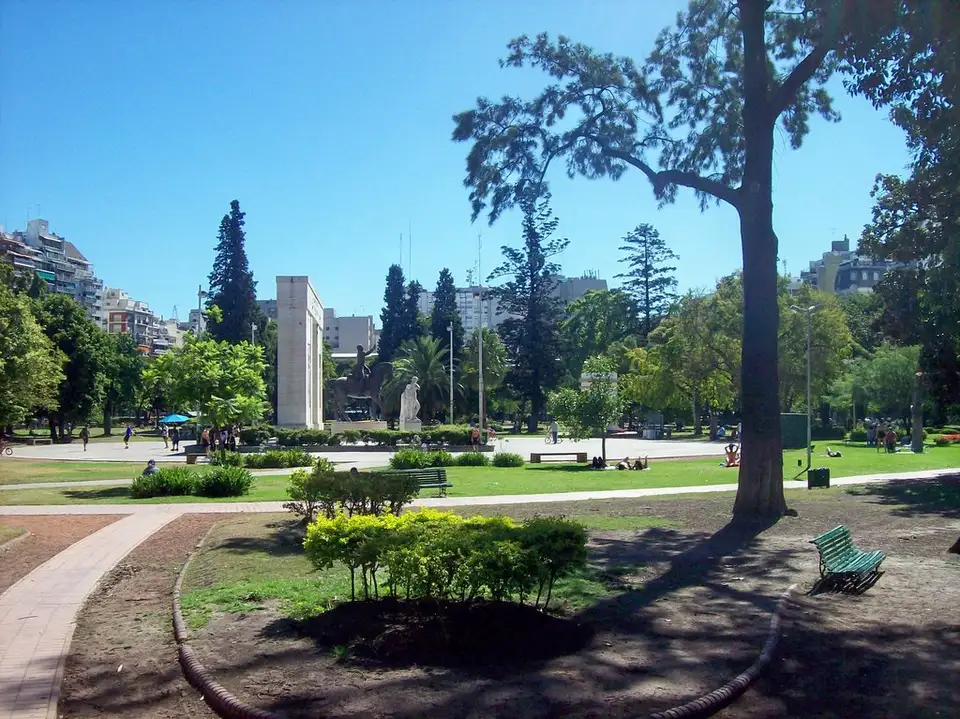
Parque Rivadavia stands as one of the most significant green lungs of Comuna 6, woven into the urban fabric of Buenos Aires as a refuge for biodiversity and rest. Located in an area where the density of the city calls for breathing room, this space functions not only as a recreational area but as a fundamental element for the environmental sustainability of its immediate surroundings.
A space in transformation
The park is currently undergoing renovation processes aimed at improving its functionality and appearance. These interventions, which include maintenance work on access roads such as Rosario, seek to reduce the impact of constant traffic and the natural wear on its surfaces. The goal of these actions is to strengthen the park’s capacity to offer a more accessible and sustainable environment, ensuring that the lawns and green areas remain in good condition under urban pressure.
The importance of this site lies in its capacity to act as a connection node with nature within a context of high building density. Improvements to irrigation systems and accessibility are designed so that the park maintains its quality throughout the year, allowing its functions of rest and contemplation to continue uninterrupted by the deterioration of its basic infrastructure.
The park’s role in urban life
Beyond being a recreational area, Parque Rivadavia represents a commitment to the recovery of public spaces. Its presence allows residents and visitors to find a place to relax and disconnect from the fast pace of the city. The management of its green areas seeks to preserve the identity of this lung, protecting existing vegetation and fostering an environment where contact with nature is possible despite the proximity of major thoroughfares.
The integration of this space into the dynamic of Palermo and surrounding areas positions it as a point of reference for those seeking less saturated surroundings. By prioritizing the recovery of greenery and the improvement of its access points, the park consolidates itself as a legacy of natural infrastructure aimed at improving quality of life in its sector, promoting a more balanced coexistence between urbanization and local ecosystems.