Parque Chacabuco
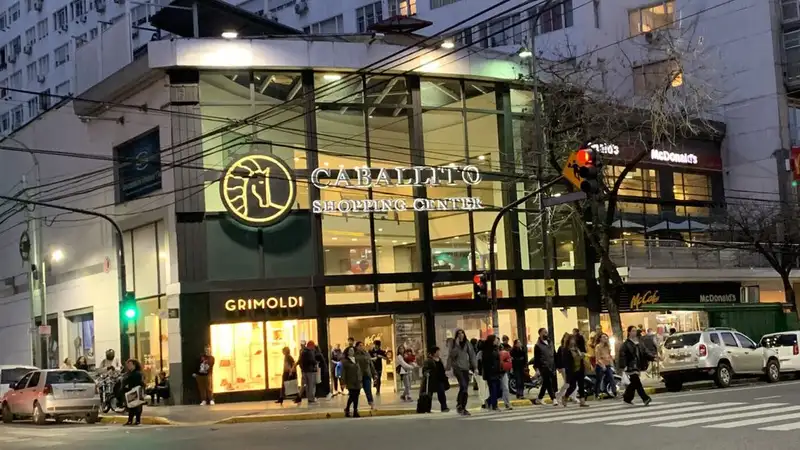
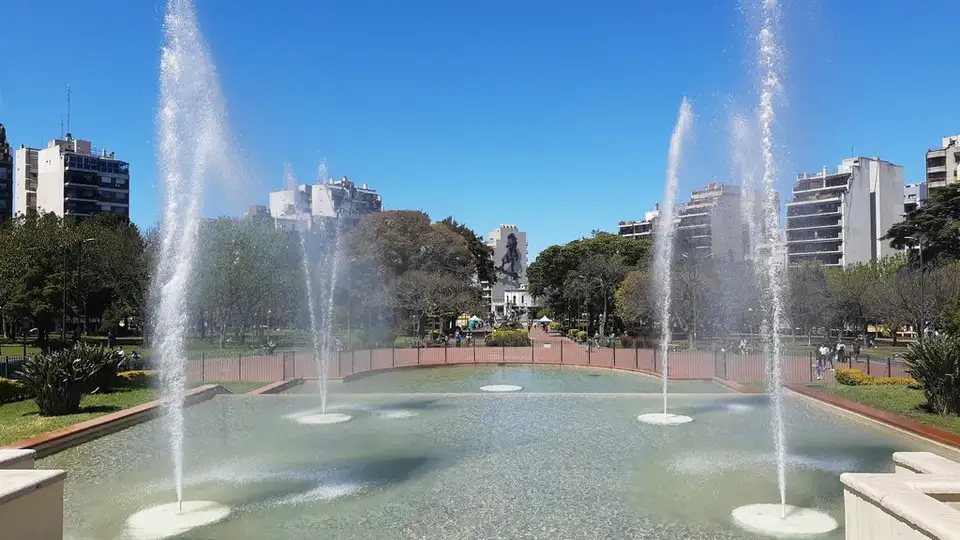
Parque Chacabuco serves as the central axis of a neighborhood that owes its name and urban configuration to this very green space. Located in Comuna 07 of the Ciudad Autónoma de Buenos Aires, the park is not merely a recreational area but the nucleus around which the identity of this zone developed, bordering neighborhoods such as Caballito. Its presence defines the residential, quiet character of the area, acting as a geographic and social reference point for local residents.
Historical roots and urban transformation
The history of the area is marked by a transition from industrial to recreational use. The origin of this space is directly tied to the former ‘Polvorín de Flores’, a national factory that once operated in the southern part of what is now the park. This industrial complex had a defining episode in its timeline: a powerful explosion on January 26, 1898, which marked the end of that productive period. Following the disappearance of the factory, the Municipalidad managed the transfer of the land, and by 1902 the foundations of the current park had been laid.
In its early days, the surroundings of the park looked very different from the dense urban landscape that encloses it today; the area was made up of numerous market gardens and vacant lots. Over the decades, the process of urbanization transformed this scene of orchards and country houses into a consolidated neighborhood, with the park remaining as the constant element that gave cohesion to the street fabric.
The surroundings and their territorial configuration
The neighborhood’s layout is bounded by major thoroughfares that structure its circulation and connect it to the rest of the city. Its geographic limits include avenues such as Directorio, Carabobo, Castañares, Riestra, La Plata, and Cobo, as well as stretches of Avenida Perón. This road network encircles a territory of approximately 3.8 square kilometers, where residential density coexists with the presence of the green lung.
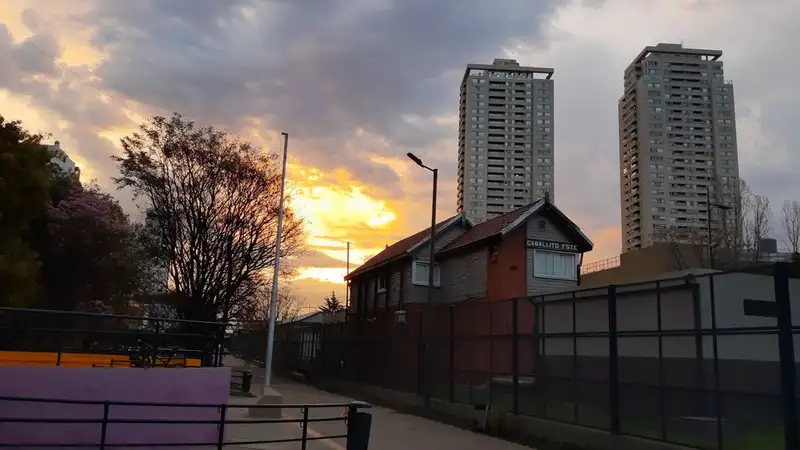
Moving through the area means walking streets that reflect that blend of Buenos Aires history and modernity. The proximity to high-traffic avenues makes the park an accessible meeting point, while maintaining a human scale that sets it apart from more commercial or heavily transited parts of the capital. Situated at the exact center of the neighborhood, the park functions as the heart that beats for the residents of this part of the city.