Museo Evita
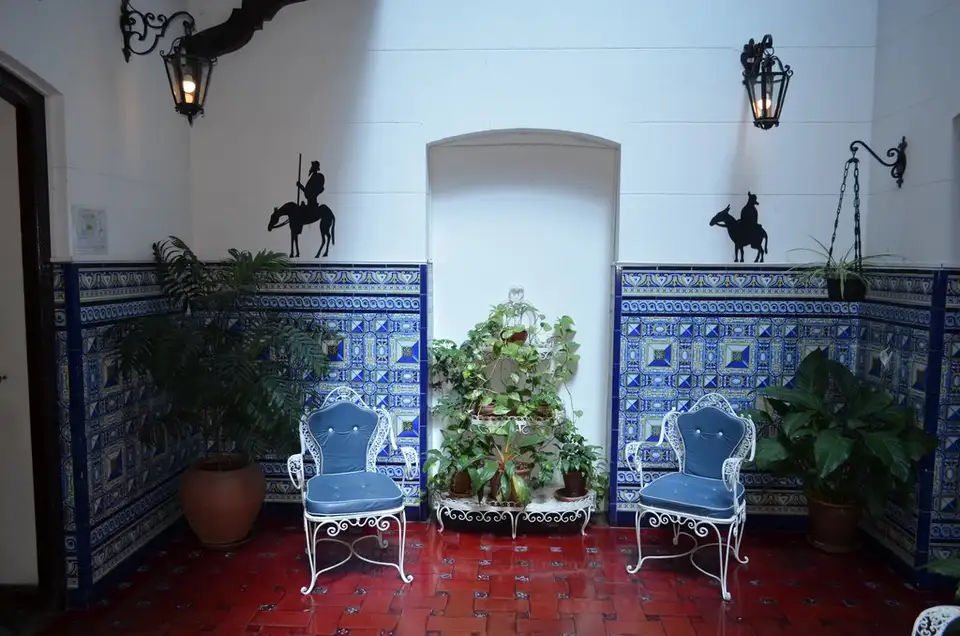
Located in the heart of Palermo, the Museo Evita operates within an imposing mansion that lends its own architectural context to the institution’s offering. The space is not merely a repository of objects, but a centre dedicated to the memory of Eva Duarte de Perón and to the impact of the Fundación Eva Perón. The institution combines the preservation of historical heritage with academic work, as the same building houses the Instituto Nacional de Investigación Eva Perón, focused on scholarly studies of her life and influence.
A journey through memory
The visit offers an approach to the figure of Argentina’s first lady through exhibitions that integrate personal objects and documentary pieces. The itinerary is designed to convey both the human dimension and the scale of the social work carried out during her time in office. Among the most significant pieces are garments and accessories that, though subject to specific photography restrictions, form part of the visual core of the display. The arrangement of the rooms allows visitors to follow the thread of her political trajectory and her welfare work.
The museum offers resources to deepen the experience, including audio guides available in several languages, which facilitate a more detailed understanding of the historical contexts on display. The atmosphere of the mansion, with its classic structure, helps situate visitors in the era and social environment that surrounded the events exhibited.
Context and legacy
The museum is woven into the cultural fabric of Palermo, a neighbourhood that combines urban modernity with spaces of considerable heritage value. Situated in a zone of constant movement, it serves as a point of reference for understanding Argentine political history from a social and human perspective. The presence of the research institute within the same complex reinforces its character not only as an exhibition site but as an active centre of study.
The significance of this space lies in its capacity to connect past and present, using material heritage to sustain a debate about identity and social justice. The preservation of these elements within a structure so characteristic of Buenos Aires allows the legacy of the Fundación Eva Perón to remain tangible for those who move through its rooms.