GEBA Club de Gimnasia y Esgrima de Buenos Aires
The Club de Gimnasia y Esgrima de Buenos Aires, popularly known as GEBA, is one of the oldest and most representative social, sporting, and cultural institutions in the Argentine capital. Founded on 11 November 1880 under the name «Club Cosmopolita de Gimnasia y Esgrima», its origins trace back to a group of enthusiastic young people who gathered at the traditional Confitería del Águila to promote the practice of physical disciplines. With more than 140 years of history, the club has consolidated its identity as a fundamental pillar of Buenos Aires institutional life.
A strategic enclave in Palermo
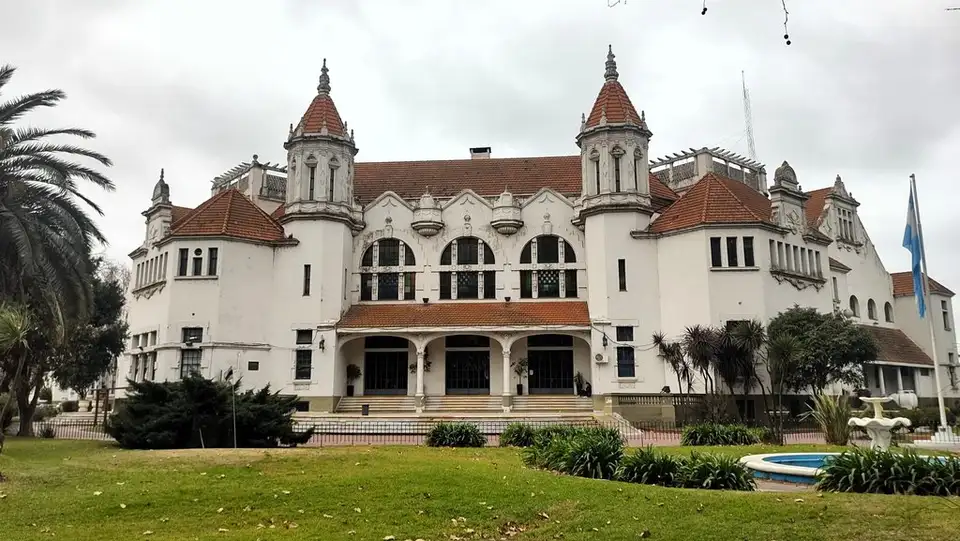
GEBA occupies a privileged location within the urban fabric of Buenos Aires, with two of its three venues integrated into the natural surroundings of Parque Tres de Febrero. This setting in the heart of Palermo allows the institution to connect directly with one of the city’s most important green lungs. The scale of its facilities offers a significant contrast to the fast pace of the metropolis, making the club a point of reference for those seeking physical and recreational activities within a landscape of considerable value.
Tradition and sporting diversity
The club’s offering is defined by its scale and the variety of disciplines it hosts. By promoting the practice of around 30 different sports, GEBA functions as a meeting point for diverse sporting communities. Among its most notable activities are athletics, fencing — the discipline that gives the institution its name — hockey, swimming, tennis, basketball, and volleyball, as well as sports such as bocce and chess. This breadth of programming allows the institution to maintain its cultural and social relevance across the decades.
Identity and institutional legacy
Beyond its infrastructure, the club preserves a strong sense of belonging tied to its origins. From its first president, Léon Marchand, to the present day, the institution has maintained a structure that combines sporting practice with social life. Its presence at the Buenos Aires venues represents not only a space for high-performance or recreational training, but also a living testament to the evolution of Argentine social clubs and their integration into the urban development of the Palermo neighbourhood.